Connecticut's four-season climate creates a unique set of challenges for exterior siding systems. The state's 85+ annual freeze-thaw cycles cause vinyl siding to become brittle and crack during winter, while summer humidity levels averaging 70%+ promote moisture intrusion behind improperly installed cladding. Salt air exposure along the Long Island Sound corridor from Greenwich to New London accelerates corrosion on aluminum siding and degrades paint films on wood clapboard. The average cost for a full siding replacement in Connecticut ranges from $8,000 to $18,000 for vinyl, $15,000 to $30,000 for fiber cement (James Hardie), and $20,000 to $40,000 for engineered wood or premium materials — reflecting the state's higher labor costs and the specialized installation techniques required for New England weather resistance.
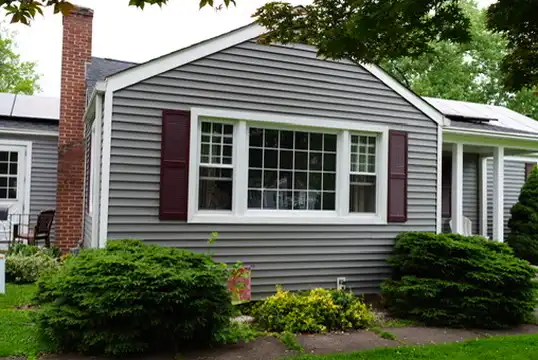
Our Connecticut siding crews specialize in the state's diverse housing stock — from 18th-century Colonial clapboard homes in the Litchfield Hills to mid-century ranch houses with aluminum siding in suburban Fairfield County to modern fiber cement installations in Hartford's growing neighborhoods. Each material and era requires different approach techniques, flashing details, and moisture management strategies. Connecticut's building code, based on the 2018 IRC with state amendments, requires a continuous weather-resistive barrier (housewrap) behind all siding installations, and we exceed this baseline by installing drainable housewrap systems that provide an air gap for moisture escape — a critical detail in CT's humid climate that many contractors skip.
Connecticut's Home Improvement Contractor registration requires specific licensing for siding work, and many municipalities require permits for full re-siding projects. In towns like Greenwich, Westport, and New Canaan, siding material changes in historic or architecturally regulated districts require design review board approval, which can add 3-6 weeks to the project timeline. We handle all permitting, HOA approvals, and historic district review submissions, so homeowners deal with one point of contact from estimate through final inspection.
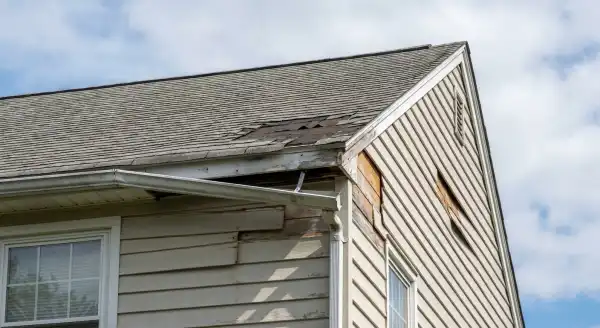
The Connecticut insurance market covers siding damage caused by sudden events like windstorms, hail, and fallen trees, but not gradual deterioration from age or wear. Many CT policies now include cosmetic damage exclusions that deny claims for dents or marks that don't affect the siding's functional performance. Our damage documentation distinguishes between cosmetic and functional damage — cracked panels, moisture penetration, broken locking mechanisms — to ensure legitimate storm damage claims are properly processed. We photograph and catalog every damaged panel with measurements and location mapping that CT adjusters require.
Energy efficiency is a significant factor in Connecticut siding decisions. With average CT electricity rates at $0.27/kWh — among the highest in the nation — and natural gas costs that spike during New England winters, insulated siding options offer meaningful payback. Insulated vinyl siding (with built-in foam backing) adds R-2 to R-5 to the wall assembly, which can reduce annual heating and cooling costs by 10-20%. Fiber cement over continuous exterior insulation (rigid foam board) can achieve even greater energy savings. The CT Green Bank offers financing programs for energy-efficient home improvements, and some CT utility companies provide rebates for insulation improvements that include siding projects.
Compared to national averages, siding replacement in Connecticut runs approximately 20-30% higher in total project cost, primarily due to labor rates and the additional preparatory work required on older homes. However, CT homeowners benefit from strong ROI — new siding in Connecticut returns 65-75% of its cost at resale, and curb appeal improvements in CT's competitive real estate market often lead to faster sale times. For homes with multiple layers of old siding (common in CT homes with 2-4 layers stacked since the 1950s), stripping to sheathing adds $1,500-$4,000 to the project but is essential for proper moisture management and long-term performance.
Why Choose Restoration Control for Siding in Connecticut
CT-licensed for all siding types — vinyl, fiber cement (James Hardie), engineered wood (LP SmartSide), and cedar
Moisture barrier and housewrap inspection included with every re-siding project — we don't cover existing problems
Insulated siding options that reduce heating costs by up to 20% — critical for CT's $0.27/kWh electricity rates
Color-matching technology for partial repairs — blend new sections seamlessly with existing weathered siding
Storm damage siding repair with insurance documentation and adjuster coordination included
Historic district and HOA approval handling — we manage design review submissions in regulated CT communities
Multi-layer siding removal with sheathing inspection — we always strip to structure and repair before re-siding
CT Green Bank financing eligibility assistance for energy-efficient siding upgrades
Siding Challenges in Connecticut
Every state has unique conditions that affect siding. Here's what Connecticut homeowners face and how we address it.
Freeze-Thaw Vinyl Cracking
Standard vinyl siding becomes brittle below 32°F, and during Connecticut's coldest months, impact from ice, branches, or even hail can shatter panels. CT averages 85+ freeze-thaw cycles per year — significantly more than the national average of 40-60 for comparable climates — which creates cumulative stress on vinyl expansion joints and locking mechanisms. We install premium vinyl rated to -20°F flexibility and use reinforced J-channel at all penetrations to prevent water intrusion during freeze-thaw expansion cycles. For homeowners seeking maximum durability, we recommend fiber cement or engineered wood that is unaffected by freeze-thaw cycling.
Multi-Layer Siding Entrapment
Many older CT homes have 2-4 layers of siding stacked over original clapboard, a legacy of decades of re-siding over existing material to save on removal costs. This traps moisture against structural sheathing, causing hidden rot and mold that compromises the home's structural integrity. We've found homes in Waterbury and New Britain with four layers of siding concealing rotted sheathing and framing that had been deteriorating for 20+ years. Our process always includes stripping to sheathing, inspecting and replacing damaged boards, and installing proper drainable housewrap before new siding.
Salt Air Corrosion
Coastal Connecticut homes from Stamford to Mystic face accelerated siding degradation from salt-laden air that travels up to 2 miles inland during nor'easters. Aluminum siding oxidizes and develops white chalking within 5-7 years in coastal zones versus 15-20 years inland. Vinyl fades 30-40% faster, and wood requires repainting every 3-5 years instead of the 7-10 year cycle for inland homes. We recommend fiber cement (James Hardie HZ5 climate zone rated) for coastal installations — it's impervious to salt, moisture, and UV degradation, with a 30-year factory-finish warranty.
Lead Paint on Pre-1978 Homes
Approximately 60% of Connecticut's housing stock was built before 1978, when lead-based paint was banned. Disturbing existing painted siding during removal releases lead dust that poses health risks — particularly to children. Connecticut's lead abatement regulations require EPA RRP-certified contractors for work on pre-1978 homes. Our crews hold current EPA RRP certification, follow CT DPH containment and disposal protocols, and provide lead-safe documentation at project completion. Fines for non-compliant lead paint disturbance in CT can reach $37,500 per violation.
Thermal Bridging and Energy Loss
Many Connecticut homes, particularly those built before modern energy codes, have minimal wall insulation and significant thermal bridging through wood studs that conduct heat through the wall assembly. Simply replacing siding without addressing insulation is a missed opportunity. We offer continuous exterior insulation options — rigid foam board installed beneath new siding — that break thermal bridges, reduce condensation risk inside walls, and can improve the home's overall energy performance by 15-25%, with payback periods of 5-8 years at CT energy rates.
Siding in 30 Connecticut Cities
Click your city for local siding details, scheduling, and pricing.
Roofing, Siding, Gutters & Remodeling in Siding, CT
Restoration Control serves Siding, Connecticut with professional roofing, siding, seamless gutter installation, kitchen remodeling, bathroom remodeling, and 24/7 emergency restoration services. Our Siding-area crews are licensed CT contractors who carry full general liability and workers compensation insurance, hold active state contractor licenses, and bring IICRC certifications to every restoration project. We provide free on-site inspections and written estimates at no charge or obligation to homeowners and commercial property owners throughout Siding and surrounding communities.
Restoration Control has completed roofing, siding, and remodeling projects in Siding neighborhoods and understands the local building codes, permit requirements, and common weather-related damage patterns in this area. When your project involves an insurance claim — whether from storm damage, water intrusion, fire, or hail — our team documents all damage, prepares detailed estimates in the format your carrier requires, and coordinates directly with your adjuster to ensure a fair settlement. Call (833) 380-7378 to schedule your free Siding inspection.
Residential and commercial roofing including storm damage repairs, full roof replacements, emergency tarping, and new construction roofing. Architectural shingles, metal roofing, tile, and flat systems available with manufacturer warranties. Free inspection and insurance claims assistance in Siding.
Vinyl, fiber cement, engineered wood, and cedar siding installation and replacement. Storm damage siding repair with insurance coordination. Proper house wrap and insulation installation for improved energy efficiency in Siding homes.
Custom seamless aluminum gutters fabricated on-site to fit your Siding home. Complete gutter systems with downspouts and extensions. Micro-mesh gutter guard installation to reduce maintenance and protect your foundation.
24/7 emergency water extraction, structural drying, and mold prevention. IICRC-certified technicians respond within 1-3 hours of your call in Siding. Full insurance claims documentation and rebuild services.
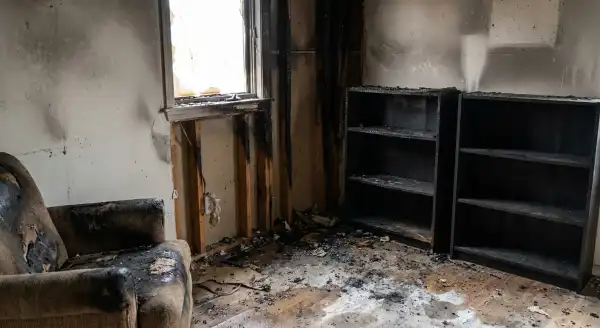
Emergency board-up, smoke and soot cleanup, structural repairs, and complete rebuild after fire in Siding. IICRC-certified team works directly with your insurance company throughout the restoration process.
Emergency tarping and board-up after severe weather, plus complete roof, siding, and structural rebuild. Our Siding storm teams respond 24/7 and manage all insurance claim documentation and adjuster coordination.
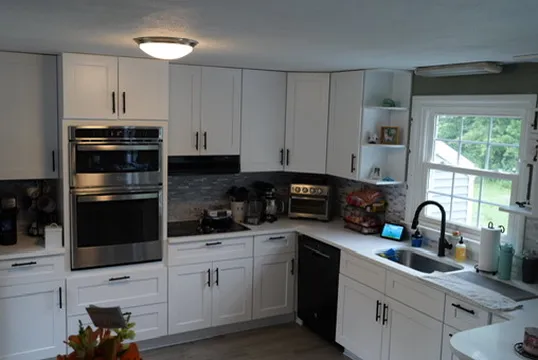
Full-service kitchen renovation including custom cabinets, stone countertops, backsplash, and appliance coordination. Licensed CT contractors managing your Siding kitchen project from design to final inspection.
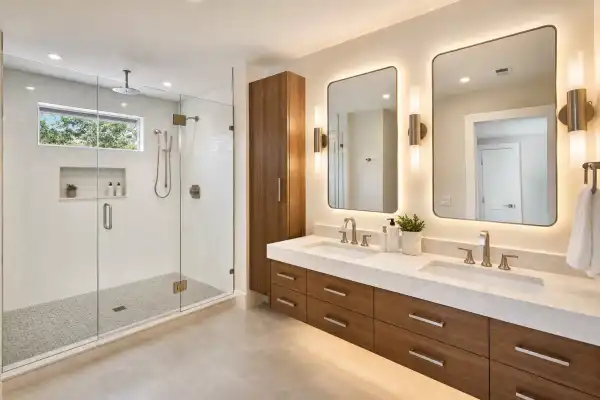
Walk-in shower installations, tub-to-shower conversions, vanity upgrades, and complete bathroom renovations in Siding. All trades in-house: plumbing, electrical, tile, carpentry, and painting.
Why Siding Homeowners Choose Restoration Control
Licensed CT contractor — license numbers available on request and verifiable with the state
IICRC-certified restoration technicians for water, fire, and mold emergencies
Free on-site inspection and written estimate for every project in Siding
Insurance claims coordination with all major carriers
24/7 emergency response for storm, water, and fire damage in Siding
Full in-house crews — no unlicensed subcontractors
Workmanship warranty on all completed projects
What Siding Customers Say
"Restoration Control replaced our roof after a major storm. The whole process was seamless — they handled everything with our insurance company and the roof looks great. Couldn't be happier with the crew they sent out."
"We had water damage from a burst pipe and they were at our house within 2 hours. They dried everything out quickly, documented the damage for our claim, and repaired the ceiling and walls perfectly. Very professional team."
Schedule a Free Inspection in Siding
Call (833) 380-7378 or fill out the form below. We serve Siding and surrounding areas throughout Connecticut.