Professional Kitchen Remodeling Across Connecticut
Connecticut's housing market places a premium on updated kitchens — a quality remodel in CT returns 60-80% of investment at resale, among the highest ROI home improvements in the Northeast. The state's housing stock, where the median home age exceeds 55 years, means that most kitchen remodels involve more than cosmetic updates: aging plumbing, undersized electrical panels, asbestos-containing floor tiles, and lead paint are common discoveries that require professional remediation during renovation. The average kitchen remodel in Connecticut costs between $25,000 and $55,000 for a mid-range renovation and $60,000 to $120,000+ for an upscale remodel — approximately 20-30% higher than national averages, reflecting the state's labor costs, material prices, and the complexity of renovating older homes.
Our Connecticut kitchen remodeling team handles everything from design consultation through final inspection, including all licensed plumbing and electrical subcontractors required by CT building code. We pull permits in all 30 towns we serve and schedule inspections at each milestone — rough plumbing, rough electrical, insulation, and final — so homeowners never have to coordinate with the building department directly. Connecticut requires separate plumbing and electrical licenses for this work (general contractors cannot self-perform these trades in CT), and our subcontractor teams hold current CT P-1 plumbing licenses and E-1 electrical licenses.
Connecticut's building permit requirements for kitchen remodeling vary significantly by municipality. In some towns like Greenwich and Westport, even cabinet replacement requires a permit if it involves wall modifications. In Hartford and New Haven, electrical panel upgrades triggered by adding new appliances require a separate electrical permit. Permit fees for kitchen remodeling in CT range from $100 to $500 depending on the town and scope of work. We know the specific requirements for every town we serve and factor permitting timelines (typically 1-3 weeks) into our project schedules from day one.
Material selection for Connecticut kitchens should balance aesthetics with the practical realities of New England homes. Older CT homes often have uneven floors, out-of-square walls, and settling that has occurred over decades — custom-sized cabinets and scribing techniques are essential for professional results. Countertop materials must withstand CT's indoor humidity fluctuations (dry in winter from heating, humid in summer) — quartz and granite handle this well, while certain natural stones and butcher block may require more maintenance. Flooring must tolerate the salt, sand, and moisture tracked in from CT's snowy winters — luxury vinyl plank (LVP) and porcelain tile are the most practical choices for high-traffic CT kitchens.
Connecticut's older homes present unique opportunities for kitchen remodeling that newer construction does not. Many CT Colonials and Capes have formal dining rooms adjacent to small, closed-off kitchens — opening the wall between these spaces creates the modern open-concept layout that CT buyers desire. Farmhouse kitchens in rural CT can be expanded into mudroom or pantry spaces. And the solid construction of older CT homes (hardwood framing, plaster walls, slate or wood subfloors) provides excellent bones for a kitchen that will last another 50+ years when properly renovated.
Compared to national averages, Connecticut kitchen remodeling costs more upfront but delivers stronger returns. The state's median home value of approximately $380,000 (with significantly higher values in Fairfield County, West Hartford, and shoreline communities) supports kitchen investments that would be over-improvements in lower-value markets. A $50,000 kitchen remodel in a $400,000 CT home returns $30,000-$40,000 at resale — and the home sells faster. Connecticut's competitive real estate market, where multiple-offer situations are common for well-maintained homes, makes the kitchen the single most impactful room for resale preparation.
Why Choose Restoration Control for Kitchen Remodeling in Connecticut
Full design-build service with 3D rendering — see your CT kitchen before demolition begins
All CT permits handled — we know the specific requirements for each of our 30 towns
Licensed CT plumbing and electrical included — no separate subcontractor coordination for homeowners
Asbestos and lead paint testing before demolition — required in CT homes built before 1978
4-8 week typical completion — we provide a fixed timeline at contract signing, not an estimate
Structural wall removal with engineered beams — opening closed kitchens to open-concept layouts safely per CT code
CT Green Bank and utility rebate assistance for energy-efficient appliance and lighting upgrades
Custom cabinet solutions for older CT homes — scribing and shimming for out-of-square walls and uneven floors
Kitchen Remodeling Challenges in Connecticut
Every state has unique conditions that affect kitchen remodeling. Here's what Connecticut homeowners face and how we address it.
Pre-1978 Hazardous Materials
Connecticut law requires testing for asbestos-containing materials (floor tiles, pipe insulation, joint compound) and lead paint in any home built before 1978 before renovation begins. Approximately 60% of CT homes fall into this category. Asbestos abatement costs $1,500-$5,000 for typical kitchen floor tile, and lead paint containment adds $500-$2,000 to the project. Our EPA-certified renovators follow CT DPH protocols for safe removal and disposal, and we factor testing and abatement costs into our estimates upfront — no surprise change orders. Testing costs $200-$500 and is included in our estimate process.
Galley Kitchen Layouts
Many CT Colonials, Capes, and Ranches from the 1940s-1960s have narrow galley kitchens (8-10 feet wide) that don't match modern open-concept expectations. These kitchens were designed for a different era of cooking and dining, and transforming them requires structural intervention. We specialize in structural wall removal and beam installation to create open kitchen-dining layouts while maintaining structural integrity — including proper load-bearing wall identification, temporary shoring during construction, and LVL or steel beam sizing per CT building code. Typical wall removal and beam installation costs $3,000-$8,000 in CT.
Electrical Panel Upgrades
Adding modern appliances (induction cooktops at 40-50 amps, double ovens at 50 amps, dishwashers, disposals, and under-cabinet lighting) to CT homes with original 100-amp or 150-amp panels often requires a panel upgrade to 200 amps. This is a separate permit and inspection in most CT towns and costs $2,000-$4,000 for the upgrade plus electrician labor. We include panel assessment in every kitchen consultation and budget for the upgrade when needed — avoiding the mid-project surprise that derails timelines and budgets.
Plumbing in Older CT Homes
Connecticut homes built before 1970 commonly have galvanized steel supply lines (corroded and restricted), cast iron drain lines (deteriorating internally), and lead solder joints (a health concern). During kitchen renovation, we assess all accessible plumbing and recommend replacement of corroded sections with PEX supply and PVC drain. Waiting to address failing plumbing means paying to open finished walls later — doing it during renovation, when walls are already open, is significantly more cost-effective. Typical plumbing upgrades during CT kitchen renovation add $1,500-$5,000 to the project.
Subfloor and Structural Surprises
Older Connecticut homes often conceal structural issues beneath kitchen flooring — rotted subfloor from decades of sink and dishwasher leaks, inadequate floor joists that don't meet current load requirements for stone countertops and heavy appliances, and settling that has created visible slopes. We assess subfloor condition during demolition and repair or replace as needed. Sistering floor joists, replacing rotted subfloor sections, and leveling for new flooring are standard elements of CT kitchen renovation that ensure the finished kitchen rests on a solid foundation.
Kitchen Remodeling in 30 Connecticut Cities
Click your city for local kitchen remodeling details, scheduling, and pricing.
Roofing, Siding, Gutters & Remodeling in Kitchen Remodeling, CT
Restoration Control serves Kitchen Remodeling, Connecticut with professional roofing, siding, seamless gutter installation, kitchen remodeling, bathroom remodeling, and 24/7 emergency restoration services. Our Kitchen Remodeling-area crews are licensed CT contractors who carry full general liability and workers compensation insurance, hold active state contractor licenses, and bring IICRC certifications to every restoration project. We provide free on-site inspections and written estimates at no charge or obligation to homeowners and commercial property owners throughout Kitchen Remodeling and surrounding communities.
Restoration Control has completed roofing, siding, and remodeling projects in Kitchen Remodeling neighborhoods and understands the local building codes, permit requirements, and common weather-related damage patterns in this area. When your project involves an insurance claim — whether from storm damage, water intrusion, fire, or hail — our team documents all damage, prepares detailed estimates in the format your carrier requires, and coordinates directly with your adjuster to ensure a fair settlement. Call (833) 380-7378 to schedule your free Kitchen Remodeling inspection.
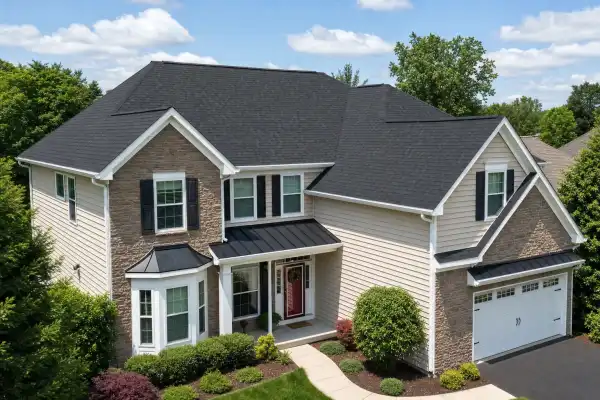
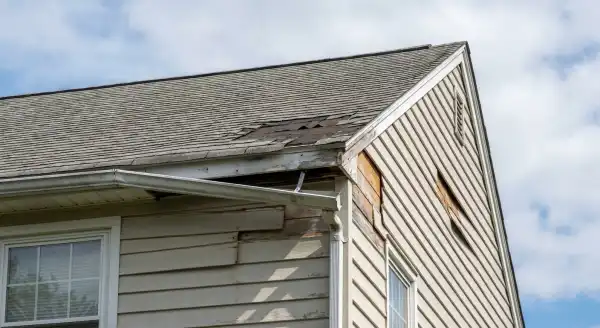
Residential and commercial roofing including storm damage repairs, full roof replacements, emergency tarping, and new construction roofing. Architectural shingles, metal roofing, tile, and flat systems available with manufacturer warranties. Free inspection and insurance claims assistance in Kitchen Remodeling.
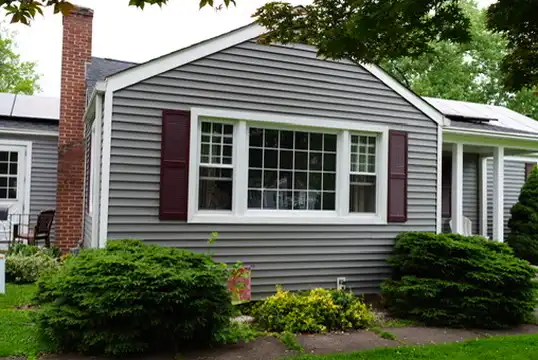
Vinyl, fiber cement, engineered wood, and cedar siding installation and replacement. Storm damage siding repair with insurance coordination. Proper house wrap and insulation installation for improved energy efficiency in Kitchen Remodeling homes.
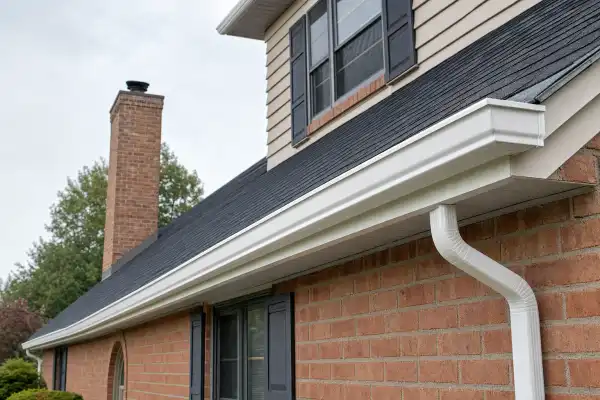
Custom seamless aluminum gutters fabricated on-site to fit your Kitchen Remodeling home. Complete gutter systems with downspouts and extensions. Micro-mesh gutter guard installation to reduce maintenance and protect your foundation.
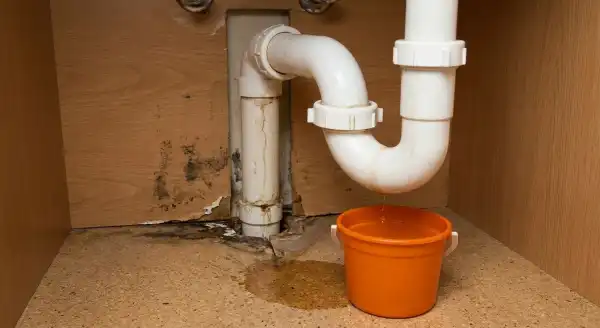
24/7 emergency water extraction, structural drying, and mold prevention. IICRC-certified technicians respond within 1-3 hours of your call in Kitchen Remodeling. Full insurance claims documentation and rebuild services.
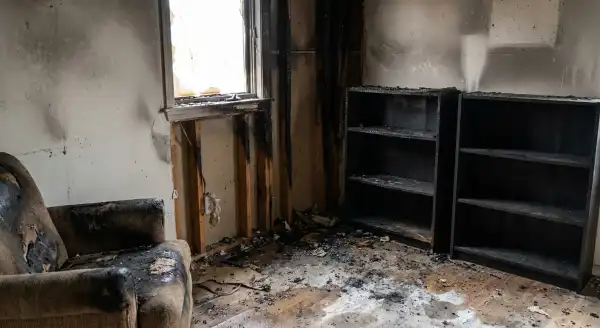
Emergency board-up, smoke and soot cleanup, structural repairs, and complete rebuild after fire in Kitchen Remodeling. IICRC-certified team works directly with your insurance company throughout the restoration process.
Emergency tarping and board-up after severe weather, plus complete roof, siding, and structural rebuild. Our Kitchen Remodeling storm teams respond 24/7 and manage all insurance claim documentation and adjuster coordination.
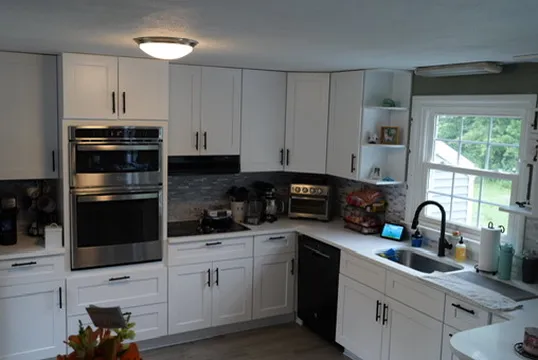
Full-service kitchen renovation including custom cabinets, stone countertops, backsplash, and appliance coordination. Licensed CT contractors managing your Kitchen Remodeling kitchen project from design to final inspection.
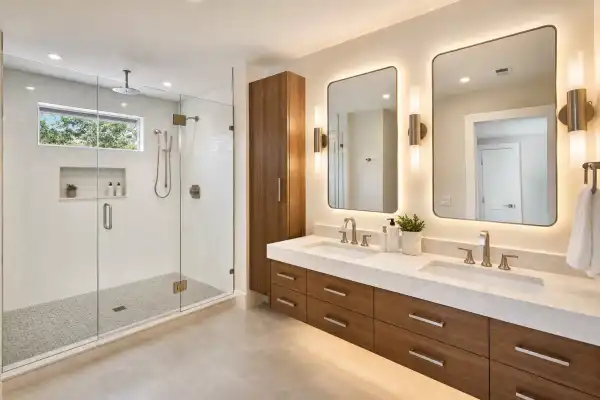
Walk-in shower installations, tub-to-shower conversions, vanity upgrades, and complete bathroom renovations in Kitchen Remodeling. All trades in-house: plumbing, electrical, tile, carpentry, and painting.
Why Kitchen Remodeling Homeowners Choose Restoration Control
Licensed CT contractor — license numbers available on request and verifiable with the state
IICRC-certified restoration technicians for water, fire, and mold emergencies
Free on-site inspection and written estimate for every project in Kitchen Remodeling
Insurance claims coordination with all major carriers
24/7 emergency response for storm, water, and fire damage in Kitchen Remodeling
Full in-house crews — no unlicensed subcontractors
Workmanship warranty on all completed projects
What Kitchen Remodeling Customers Say
"Restoration Control replaced our roof after a major storm. The whole process was seamless — they handled everything with our insurance company and the roof looks great. Couldn't be happier with the crew they sent out."
"We had water damage from a burst pipe and they were at our house within 2 hours. They dried everything out quickly, documented the damage for our claim, and repaired the ceiling and walls perfectly. Very professional team."
Schedule a Free Inspection in Kitchen Remodeling
Call (833) 380-7378 or fill out the form below. We serve Kitchen Remodeling and surrounding areas throughout Connecticut.