Professional Fire Damage Restoration Across Connecticut
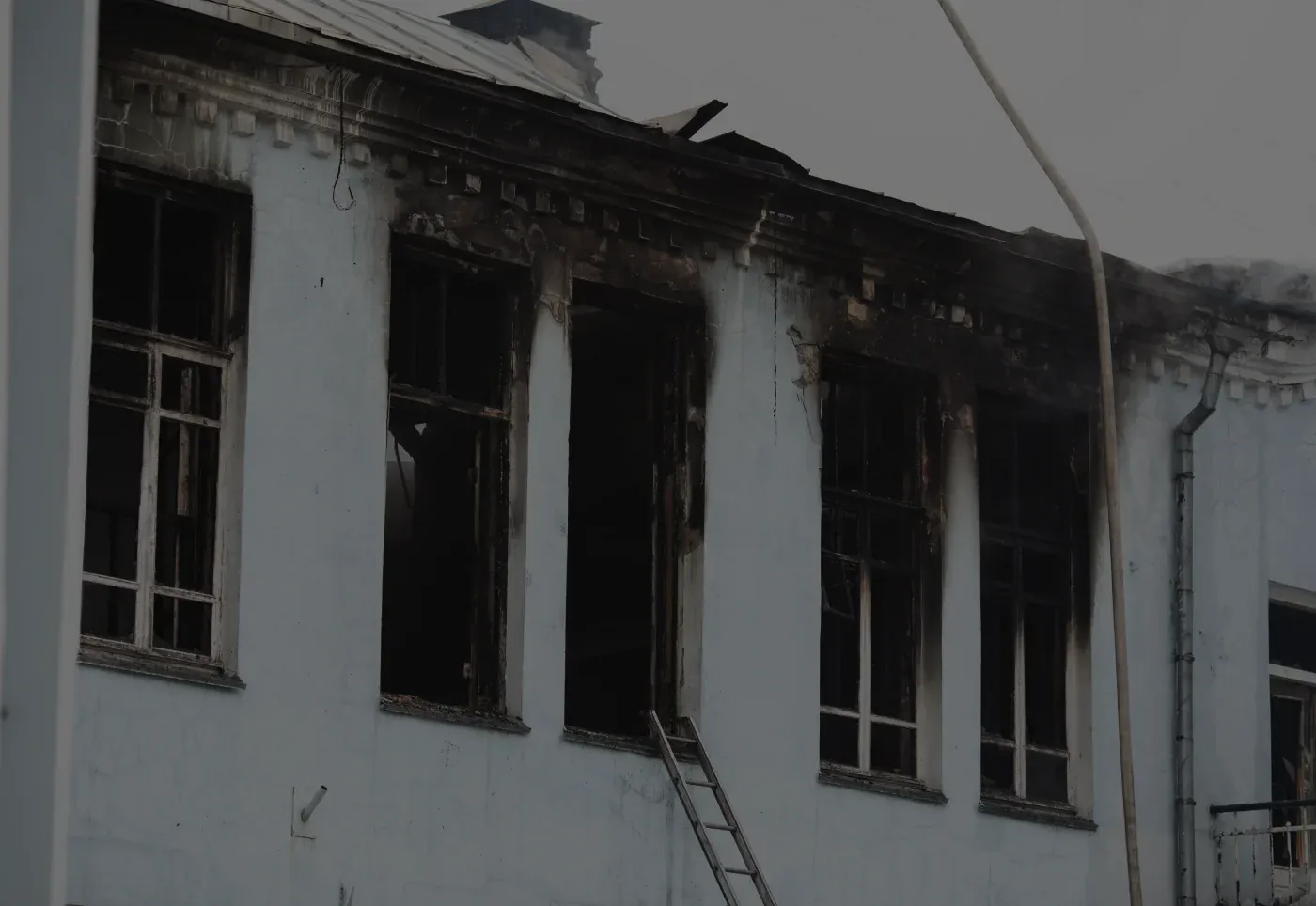
Connecticut experiences approximately 4,500 structure fires annually, with residential fires concentrated during the heating season from November through March. The state's older housing stock — over 40% of CT homes were built before 1960 — presents elevated fire risks from outdated electrical wiring (knob-and-tube and early Romex), aging heating systems (oil-fired furnaces and boilers common in New England), and wood-frame construction that allows rapid fire spread between floors and through balloon-frame wall cavities. The average fire damage restoration in Connecticut ranges from $5,000 to $25,000 for moderate smoke and soot damage, while extensive structural fire restoration can cost $50,000 to $200,000+ depending on the extent of structural compromise.
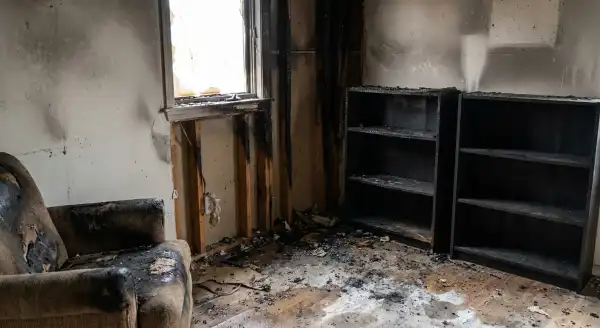
Our Connecticut fire damage restoration teams are trained not only in structural repairs but in the specialized cleaning required for smoke and soot removal from Connecticut's predominantly wood-framed, plaster-and-lath interior construction. Different fire types produce different residues — protein fires from kitchens leave invisible but pungent residue that penetrates porous surfaces, synthetic material fires produce oily black soot that stains and corrodes, and wood/paper fires create dry, powdery residue that becomes airborne if disturbed improperly. We use the appropriate combination of dry sponging, wet cleaning, media blasting, and thermal fogging for each fire type, and our crews are IICRC FSRT (Fire and Smoke Restoration Technician) certified to ensure proper protocols for every scenario.
Connecticut fire damage insurance claims require specific documentation that our team provides as standard: origin and cause investigation coordination, complete photo and video documentation per room, itemized structural damage assessment, content inventory with pre-loss valuation, and code upgrade requirements under CT's building code provisions that may require updating electrical, plumbing, or structural elements to current standards during restoration. Connecticut's 'Ordinance or Law' coverage provision is particularly important — when fire restoration triggers a requirement to bring damaged systems up to current code, the additional cost can exceed the fire damage itself.
Connecticut's fire marshal system operates at both the state and local level, with each of the state's 169 municipalities maintaining its own fire marshal or fire inspector. After a residential fire, the local fire marshal must conduct an origin and cause investigation and release the structure before restoration can begin — a process that takes 24-72 hours for most incidents and up to two weeks for complex investigations. During this waiting period, our emergency board-up and tarping crews secure the structure against weather intrusion and unauthorized entry, and we begin exterior damage assessment and insurance documentation so that restoration can begin immediately upon release.
The heating season fire risk in Connecticut deserves special attention. Oil-fired heating systems — still used in approximately 35% of CT homes — require annual maintenance and cleaning to prevent the puff-back events (combustion chamber malfunctions) that blast soot throughout the home via the ductwork. Space heaters, which account for 40% of CT residential fire deaths, remain common in older homes with inadequate central heating. Our fire damage team has extensive experience with heating-related fires and puff-back soot remediation, including the specialized HVAC cleaning required to remove oily soot from ductwork, coils, and air handlers.
Compared to national averages, fire damage restoration in Connecticut costs approximately 25-35% more due to the state's higher labor rates, the complexity of restoring older construction (plaster walls, hardwood floors, custom millwork), and the code upgrade requirements triggered by restoration work. However, Connecticut homeowners typically carry higher dwelling coverage limits that reflect the state's home values, and comprehensive fire insurance coverage (including Ordinance or Law, Additional Living Expenses, and Contents coverage) usually covers the full restoration cost. We work with all major CT insurance carriers and manage the entire claims process from initial filing through final settlement.
Why Choose Restoration Control for Fire Damage Restoration in Connecticut
Emergency board-up and tarping within hours to secure the structure against weather and unauthorized entry
IICRC FSRT (Fire and Smoke Restoration Technician) certified crews — the standard CT insurers require
Ozone and thermal fogging odor elimination — removes smoke odor from structural materials, not just masks it
CT building code upgrade coordination — when fire restoration triggers code compliance for electrical, plumbing, or structural
Complete content pack-out, cleaning, and storage — we inventory and restore salvageable personal property
Ordinance or Law coverage documentation — ensuring CT homeowners claim the full code upgrade costs their policy covers
HVAC decontamination included — full ductwork cleaning prevents smoke redistribution when the system restarts
Puff-back soot remediation expertise — specialized cleaning for oil furnace combustion events common in CT homes
Fire Damage Restoration Challenges in Connecticut
Every state has unique conditions that affect fire damage restoration. Here's what Connecticut homeowners face and how we address it.
Balloon Frame Fire Spread
Many pre-1940 Connecticut homes use balloon framing where wall studs run continuously from foundation to attic — creating a hidden chimney that allows fire to spread between floors within the wall cavity in minutes, often without visible exterior evidence until the attic is fully involved. Balloon-frame fires are among the most dangerous for both occupants and firefighters. Restoration of balloon-frame homes requires opening walls on every floor to inspect for hidden fire damage and charring, then installing fire blocking at each floor level per current CT code — a safety upgrade that significantly reduces future fire spread risk.
Heating Season Fires
Over 60% of CT residential fires occur between November and March, driven by space heaters, fireplaces, wood stoves, and heating system failures. These fires often produce heavy soot deposits throughout the home's HVAC system, contaminating ductwork and spreading odor to unburned areas on every floor. Oil furnace puff-back events — where the combustion chamber misfires and blasts oily soot through the duct system — can contaminate an entire home without structural fire damage. We include full HVAC cleaning and filter replacement in every CT fire restoration, and our puff-back remediation protocol addresses the oily, adhesive soot that standard cleaning cannot remove.
Insurance Code Upgrade Coverage
When fire damage restoration requires bringing building systems up to current Connecticut code, the cost can exceed the fire damage itself. A home built in 1950 that suffers a kitchen fire may need its entire electrical panel upgraded from 100 to 200 amps, knob-and-tube wiring replaced throughout, and plumbing brought up to current fixture requirements — costs that can add $20,000-$50,000 to the restoration. Many CT policies include 'Ordinance or Law' coverage for this purpose, typically at 10-25% of dwelling coverage, but homeowners don't know to claim it. We identify every code upgrade required and ensure your insurance documentation includes these costs with supporting code references.
Smoke Odor in Plaster and Masonry
Connecticut's older homes feature plaster walls, brick chimneys, stone foundations, and hardwood floors — all porous materials that absorb smoke odor deep into their structure. Surface cleaning alone cannot eliminate odor from these materials. Our multi-stage odor remediation process includes surface cleaning, hydroxyl generator treatment for occupied spaces, ozone treatment for unoccupied areas, thermal fogging that penetrates porous materials with odor-counteracting agents, and sealant application on structural surfaces that cannot be replaced. This process achieves complete odor elimination in 98% of cases without requiring demolition of salvageable historic materials.
Content Restoration and Pack-Out
Fire-damaged CT homes often contain valuable contents — antique furniture, artwork, family heirlooms, electronics, and clothing — that require specialized restoration rather than replacement. Our content pack-out team creates a detailed digital inventory of every item removed from the home, with photographs, condition notes, and pre-loss valuation. Contents are transported to our climate-controlled restoration facility where they undergo appropriate cleaning: dry cleaning for textiles, ultrasonic cleaning for electronics and small items, ozone treatment for odor, and specialized restoration for documents and photographs. We restore an average of 85% of contents to pre-loss condition, saving CT homeowners thousands in replacement costs.
Fire Damage Restoration in 30 Connecticut Cities
Click your city for local fire damage restoration details, scheduling, and pricing.
Roofing, Siding, Gutters & Remodeling in Fire Damage Restoration, CT
Restoration Control serves Fire Damage Restoration, Connecticut with professional roofing, siding, seamless gutter installation, kitchen remodeling, bathroom remodeling, and 24/7 emergency restoration services. Our Fire Damage Restoration-area crews are licensed CT contractors who carry full general liability and workers compensation insurance, hold active state contractor licenses, and bring IICRC certifications to every restoration project. We provide free on-site inspections and written estimates at no charge or obligation to homeowners and commercial property owners throughout Fire Damage Restoration and surrounding communities.
Restoration Control has completed roofing, siding, and remodeling projects in Fire Damage Restoration neighborhoods and understands the local building codes, permit requirements, and common weather-related damage patterns in this area. When your project involves an insurance claim — whether from storm damage, water intrusion, fire, or hail — our team documents all damage, prepares detailed estimates in the format your carrier requires, and coordinates directly with your adjuster to ensure a fair settlement. Call (833) 380-7378 to schedule your free Fire Damage Restoration inspection.
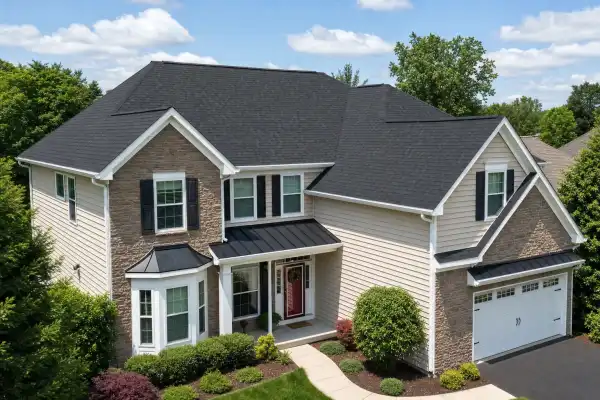
Residential and commercial roofing including storm damage repairs, full roof replacements, emergency tarping, and new construction roofing. Architectural shingles, metal roofing, tile, and flat systems available with manufacturer warranties. Free inspection and insurance claims assistance in Fire Damage Restoration.
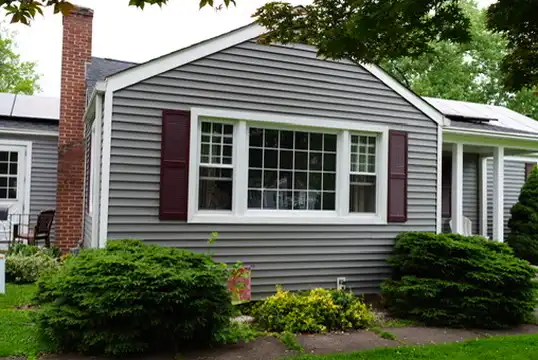
Vinyl, fiber cement, engineered wood, and cedar siding installation and replacement. Storm damage siding repair with insurance coordination. Proper house wrap and insulation installation for improved energy efficiency in Fire Damage Restoration homes.
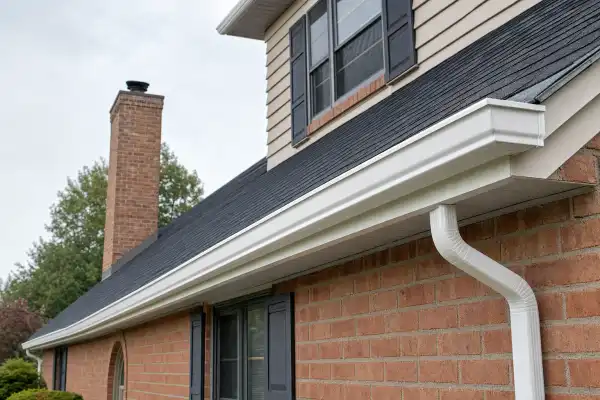
Custom seamless aluminum gutters fabricated on-site to fit your Fire Damage Restoration home. Complete gutter systems with downspouts and extensions. Micro-mesh gutter guard installation to reduce maintenance and protect your foundation.
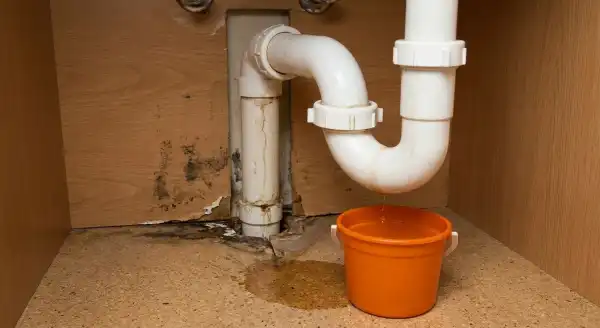
24/7 emergency water extraction, structural drying, and mold prevention. IICRC-certified technicians respond within 1-3 hours of your call in Fire Damage Restoration. Full insurance claims documentation and rebuild services.
Emergency board-up, smoke and soot cleanup, structural repairs, and complete rebuild after fire in Fire Damage Restoration. IICRC-certified team works directly with your insurance company throughout the restoration process.
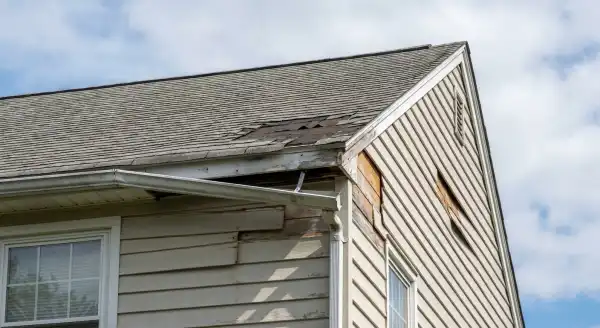
Emergency tarping and board-up after severe weather, plus complete roof, siding, and structural rebuild. Our Fire Damage Restoration storm teams respond 24/7 and manage all insurance claim documentation and adjuster coordination.
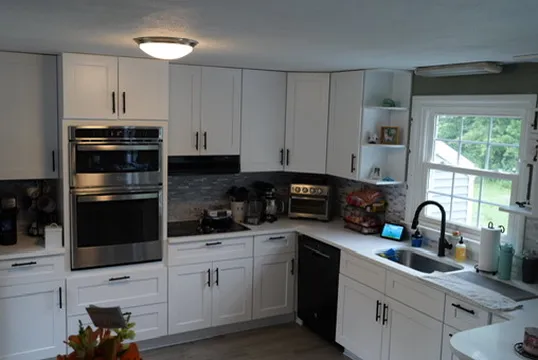
Full-service kitchen renovation including custom cabinets, stone countertops, backsplash, and appliance coordination. Licensed CT contractors managing your Fire Damage Restoration kitchen project from design to final inspection.
Walk-in shower installations, tub-to-shower conversions, vanity upgrades, and complete bathroom renovations in Fire Damage Restoration. All trades in-house: plumbing, electrical, tile, carpentry, and painting.
Why Fire Damage Restoration Homeowners Choose Restoration Control
Licensed CT contractor — license numbers available on request and verifiable with the state
IICRC-certified restoration technicians for water, fire, and mold emergencies
Free on-site inspection and written estimate for every project in Fire Damage Restoration
Insurance claims coordination with all major carriers
24/7 emergency response for storm, water, and fire damage in Fire Damage Restoration
Full in-house crews — no unlicensed subcontractors
Workmanship warranty on all completed projects
What Fire Damage Restoration Customers Say
"Restoration Control replaced our roof after a major storm. The whole process was seamless — they handled everything with our insurance company and the roof looks great. Couldn't be happier with the crew they sent out."
"We had water damage from a burst pipe and they were at our house within 2 hours. They dried everything out quickly, documented the damage for our claim, and repaired the ceiling and walls perfectly. Very professional team."
Schedule a Free Inspection in Fire Damage Restoration
Call (833) 380-7378 or fill out the form below. We serve Fire Damage Restoration and surrounding areas throughout Connecticut.