Professional Siding Services — Licensed CT Contractor
Siding in Norwalk
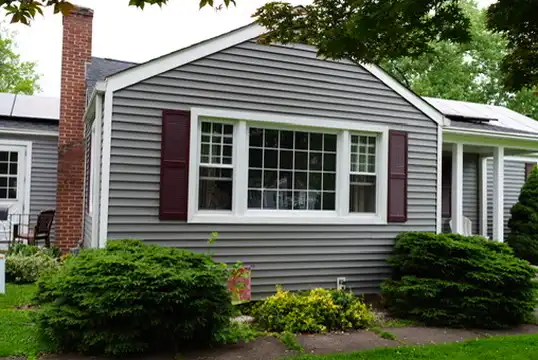
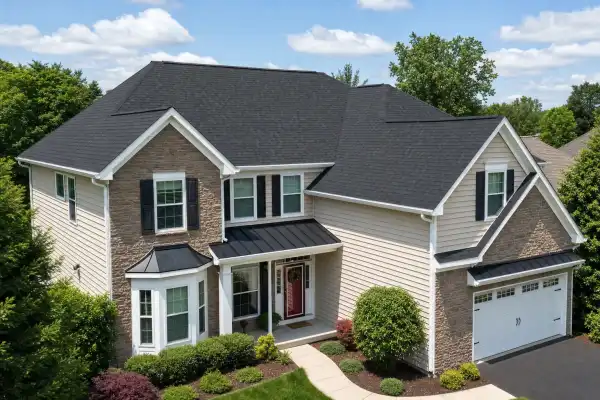
Norwalk's siding tells the story of a Connecticut shoreline city where salt air, coastal storms, and Long Island Sound humidity test every exterior material with conditions that inland towns never experience. Rowayton's waterfront homes face direct salt spray that etches vinyl, corrodes aluminum, and causes ferrous nail heads to bleed rust stains through painted wood clapboard within years of installation. East Norwalk's harbor-side housing experiences similar salt exposure with the added complication of tidal humidity that keeps siding surfaces damp for hours after morning fog burns off. SoNo's historic buildings have original wood siding from the 1800s that has survived through continuous maintenance — or deteriorated badly where maintenance lapsed. Inland Norwalk — Cranbury, Silvermine, Wolfpit, and West Norwalk — faces the more typical Connecticut siding challenges of freeze-thaw cycling, UV degradation, and tree-debris impact, but even these neighborhoods are within the salt-air influence zone that reduces the service life of metal fasteners and flashings compared to truly inland locations. Norwalk receives 50 inches of annual rainfall that drives water against siding during coastal storms, and the dominant southwest summer winds push warm, humid air from Long Island Sound against every south-facing wall in the city, creating conditions where inadequate flashing or house wrap lets moisture penetrate and gets trapped against sheathing with no opportunity to dry.
“After a burst pipe flooded our basement during a January freeze, Restoration Control arrived within an hour. Their team was professional, thorough, and kept us informed every step of the way. They handled our insurance claim and had our home restored in under two weeks. We could not have asked for a better experience.”
Robert & Linda M.
Hartford, CT
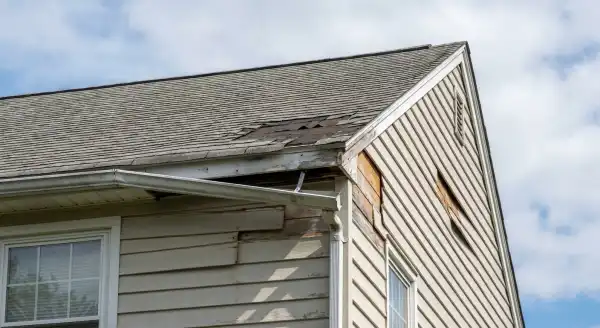
“A nor'easter ripped shingles off our Shippan Point home and water was pouring into the attic. Restoration Control had a crew on our roof the next morning, tarped the damage, and completed a full replacement within the week. Their knowledge of coastal roofing materials made all the difference.”
Jennifer S.
Stamford, CT
“We hired Restoration Control to replace the original siding on our 1920s Colonial in East Rock. They matched the historic character perfectly while upgrading to fiber cement that will actually withstand Connecticut winters. The craftsmanship is outstanding and the crew was respectful of our neighborhood.”
David & Maria T.
New Haven, CT
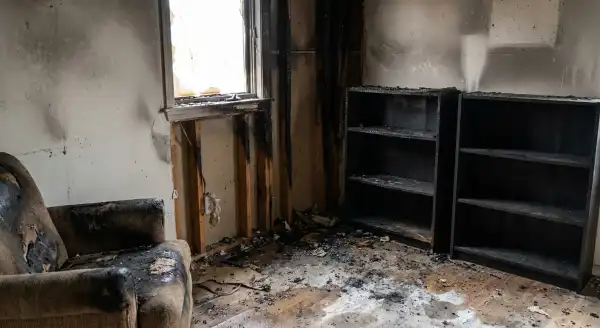
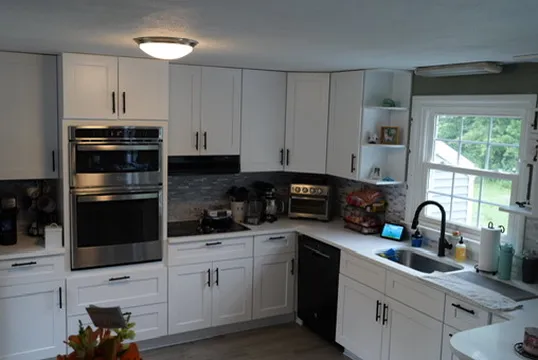
“After a kitchen fire, we were devastated. Restoration Control not only restored our home but helped us navigate the insurance process from start to finish. Their fire damage team removed all smoke odor and rebuilt our kitchen better than before. True professionals who treated us like family.”
Thomas K.
Bridgeport, CT
Frequently Asked Questions
Need Siding in Norwalk?
Call now for a free estimate. Our Norwalk team responds within 60–90 minutes, 24 hours a day, 7 days a week.
Norwalk's siding tells the story of a Connecticut shoreline city where salt air, coastal storms, and Long Island Sound humidity test every exterior material with conditions that inland towns never experience. Rowayton's waterfront homes face direct salt spray that etches vinyl, corrodes aluminum, and causes ferrous nail heads to bleed rust stains through painted wood clapboard within years of installation. East Norwalk's harbor-side housing experiences similar salt exposure with the added complication of tidal humidity that keeps siding surfaces damp for hours after morning fog burns off. SoNo's historic buildings have original wood siding from the 1800s that has survived through continuous maintenance — or deteriorated badly where maintenance lapsed. Inland Norwalk — Cranbury, Silvermine, Wolfpit, and West Norwalk — faces the more typical Connecticut siding challenges of freeze-thaw cycling, UV degradation, and tree-debris impact, but even these neighborhoods are within the salt-air influence zone that reduces the service life of metal fasteners and flashings compared to truly inland locations. Norwalk receives 50 inches of annual rainfall that drives water against siding during coastal storms, and the dominant southwest summer winds push warm, humid air from Long Island Sound against every south-facing wall in the city, creating conditions where inadequate flashing or house wrap lets moisture penetrate and gets trapped against sheathing with no opportunity to dry.
Common Siding Problems in Norwalk
Salt-air corrosion of siding fasteners and metal components is Norwalk's signature exterior problem. Galvanized nails, aluminum J-channel, and steel corner posts within the salt-spray zone (roughly a mile from the Sound) deteriorate visibly within 10 years and lose structural integrity by 15 to 20 years — well before the siding material itself fails. Stainless steel fasteners and corrosion-resistant trim components add cost but are the only appropriate specification for coastal Norwalk. Wind-driven rain intrusion behind siding during coastal storms is the second major issue: northeast storms push rain horizontally against building facades for hours, and any gap in the weather barrier — failed caulk, deteriorated house wrap, missing flashing — becomes a water entry point. We find saturated wall sheathing and active mold behind siding in a significant percentage of Norwalk coastal homes during replacement projects. Vinyl siding brittleness in Norwalk's UV-intense coastal environment progresses faster than inland locations — the combination of direct sun, reflected light from water surfaces, and salt crystal abrasion breaks down vinyl's UV stabilizers, causing cracking and color fade. Wood siding paint failure on SoNo's historic buildings is driven by moisture from both sides — humidity from inside the building pushes through unvapor-barriered walls while salt air and rain attack the exterior, causing paint to blister and peel within three to five years of application if the wall assembly moisture dynamics aren't addressed.
Siding Regulations in Norwalk, CT
Siding replacement in Norwalk requires a building permit from the Building Department at 125 East Avenue. CT HIC registration and insurance documentation required. Connecticut energy code applies to siding projects that involve removal to sheathing — continuous insulation requirements make siding replacement an opportunity to upgrade thermal performance significantly. Norwalk's Coastal Area Management zone adds review requirements for properties within the Coastal Boundary — while siding replacement alone typically doesn't trigger CAM review, projects involving structural wall changes may require it. The Norwalk Historic District Commission reviews material changes on contributing structures in designated historic districts — SoNo's historic core and the Lockwood-Mathews vicinity have active preservation oversight. Wood clapboard and fiber cement are generally approved; vinyl applications on significant structures face scrutiny. Lead paint disturbance on pre-1978 homes requires EPA RRP Rule compliance — containment is particularly important in Norwalk's coastal neighborhoods where lead paint chips can reach waterways and protected marshlands, adding Connecticut DEEP environmental compliance to federal requirements. Asbestos-containing siding on mid-century Norwalk homes requires licensed abatement. Properties in flood zones may have additional requirements if siding work involves structural wall modification below the base flood elevation.
Siding by Neighborhood in Norwalk
Rowayton demands the highest-specification siding installation in Norwalk — stainless steel fasteners throughout, marine-grade house wrap, and either fiber cement (James Hardie with ColorPlus factory finish resists salt better than field paint) or cedar clapboard with oil-based stain that penetrates rather than filming. Vinyl siding is not recommended for Rowayton's direct-exposure properties. East Norwalk's coastal sections need similar salt-resistant specifications, with the added challenge of tighter lot spacing that limits scaffolding options and requires careful neighbor coordination during installation. SoNo's historic buildings require preservation-sensitive siding work — original wood clapboard restoration where feasible, replacement-in-kind where necessary, and material choices that satisfy the Historic District Commission. SoNo's mixed-use buildings also present commercial-scale siding challenges on upper stories. Cranbury is Norwalk's most active suburban siding replacement market — 1950s-1970s colonials and split-levels where aging aluminum or first-generation vinyl is being replaced with modern insulated vinyl or fiber cement. The housing stock is consistent and accessible, making Cranbury the most predictable siding scope in Norwalk. West Norwalk and Wolfpit have similar housing from slightly later eras with comparable siding needs. Silvermine's rural-feeling homes on wooded lots face siding challenges from shade moisture retention and tree debris impact rather than salt exposure — the neighborhood's setback from the Sound puts it outside the primary salt zone.
Why Norwalk Needs Professional Siding
Norwalk's coastal siding conditions demand proactive replacement rather than reactive repair. Salt-air corrosion attacks the fasteners and flashing components that hold siding to the building before the siding material itself shows obvious failure — by the time coastal Norwalk homeowners notice siding problems, the hidden deterioration may be extensive. The 2012 Sandy experience demonstrated that homes with properly installed, wind-rated siding systems sustained dramatically less wind and water damage than homes with aging or improperly fastened siding. Norwalk's property values — among Connecticut's highest — make siding condition a significant factor in property assessment and sale price. Energy costs in Connecticut are substantially above the national average, and modern insulated siding systems on Norwalk's older homes reduce heating and cooling costs by eliminating thermal bridging at studs. The aesthetic dimension matters in Norwalk's competitive real estate market: the difference between maintained and deteriorated siding affects neighborhood perception and property value for the entire street. For Norwalk's waterfront properties, siding selection and installation quality are insurance considerations as well — some carriers require documentation of wind and impact ratings for coastal properties, and proper installation can reduce premiums.
What's Included in Our Norwalk Siding Service
Full siding inspection and damage assessment
Vinyl, fiber cement, engineered wood, and cedar options
Moisture barrier and house wrap installation
Trim, corner posts, J-channel, and soffit/fascia work
Energy-efficient insulated siding available
Paint-matched caulking and sealed penetrations
Why Norwalk Homeowners Choose Restoration Control for Siding
Licensed CT contractor — active state license verifiable online
IICRC-certified technicians with manufacturer-authorized installation training
Free on-site inspection and written estimate with no obligation in Norwalk
Full insurance claims support — documentation, Xactimate estimates, adjuster meetings
In-house crews only — no unlicensed subcontractors on your Norwalk project
Workmanship warranty backed by a company with 10+ years in Connecticut
24/7 emergency line for storm, water, and fire damage in Norwalk
BBB Accredited with A+ rating and 4.9-star average from 250+ reviews
Fiber cement siding (James Hardie) is the most durable option, with a 30-year warranty and resistance to rot, insects, and fire. Vinyl siding is lower-cost with a 20-25 year lifespan. Engineered wood siding offers natural aesthetics with improved durability over traditional wood.
Can you match my existing siding after storm damage?
In many cases yes — we stock a wide range of profiles, colors, and textures. For discontinued products, we work closely with manufacturers to find the closest match. For major damage, a full replacement often provides a better long-term result and uniform appearance.
Does new siding improve energy efficiency?
Yes. Insulated vinyl and fiber cement siding can reduce thermal bridging and improve wall R-values. Combined with new house wrap and sealed penetrations, properly installed siding can noticeably lower heating and cooling costs.
Request Siding in Norwalk, CT
Call (833) 380-7378 or complete the form below. A licensed CT estimator will contact you within 1 business hour to schedule your free on-site inspection.