Professional Roofing Services — Licensed CT Contractor
Roofing in Norwalk
Norwalk's roofing environment is defined by Long Island Sound's coastal influence — salt-laden air, hurricane-force wind exposure, and moisture conditions that corrode metal fasteners and flashings faster than any inland Connecticut location. The city stretches from the Rowayton waterfront and coastal neighborhoods of East Norwalk and Calf Pasture Beach through the commercial corridor of South Norwalk (SoNo) to the suburban neighborhoods of Cranbury, Silvermine, and Wolfpit inland. Each zone presents different roofing challenges: waterfront homes face direct salt spray that pits galvanized nails and deteriorates aluminum flashing within 10 to 15 years, while inland Norwalk homes deal with the heavy tree canopy debris and ice dam conditions more typical of interior Connecticut. Norwalk receives 50 inches of annual rainfall — among the highest in Fairfield County — plus 30 inches of snow that produces freeze-thaw cycling from December through March. Hurricane and tropical storm exposure is a defining risk: Norwalk took significant roof damage from Sandy in 2012 and Irene in 2011, and every roof installation must account for the probability of 80-plus mph winds during the system's lifetime. Our Norwalk roofing crews specify stainless steel fasteners and high-wind-rated materials for every coastal installation, with standard galvanized appropriate only for homes in Silvermine, Wolfpit, and Norwalk's northernmost neighborhoods beyond salt-air reach.
“After a burst pipe flooded our basement during a January freeze, Restoration Control arrived within an hour. Their team was professional, thorough, and kept us informed every step of the way. They handled our insurance claim and had our home restored in under two weeks. We could not have asked for a better experience.”
Robert & Linda M.
Hartford, CT
“A nor'easter ripped shingles off our Shippan Point home and water was pouring into the attic. Restoration Control had a crew on our roof the next morning, tarped the damage, and completed a full replacement within the week. Their knowledge of coastal roofing materials made all the difference.”
Jennifer S.
Stamford, CT
“We hired Restoration Control to replace the original siding on our 1920s Colonial in East Rock. They matched the historic character perfectly while upgrading to fiber cement that will actually withstand Connecticut winters. The craftsmanship is outstanding and the crew was respectful of our neighborhood.”
David & Maria T.
New Haven, CT
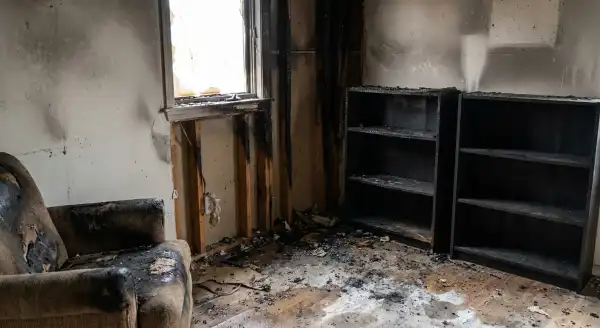
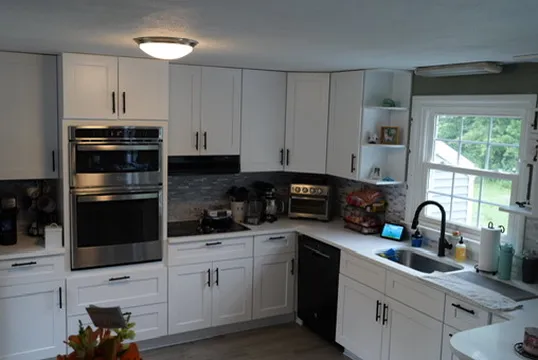
“After a kitchen fire, we were devastated. Restoration Control not only restored our home but helped us navigate the insurance process from start to finish. Their fire damage team removed all smoke odor and rebuilt our kitchen better than before. True professionals who treated us like family.”
Thomas K.
Bridgeport, CT
Frequently Asked Questions
Need Roofing in Norwalk?
Call now for a free estimate. Our Norwalk team responds within 60–90 minutes, 24 hours a day, 7 days a week.
Norwalk's roofing environment is defined by Long Island Sound's coastal influence — salt-laden air, hurricane-force wind exposure, and moisture conditions that corrode metal fasteners and flashings faster than any inland Connecticut location. The city stretches from the Rowayton waterfront and coastal neighborhoods of East Norwalk and Calf Pasture Beach through the commercial corridor of South Norwalk (SoNo) to the suburban neighborhoods of Cranbury, Silvermine, and Wolfpit inland. Each zone presents different roofing challenges: waterfront homes face direct salt spray that pits galvanized nails and deteriorates aluminum flashing within 10 to 15 years, while inland Norwalk homes deal with the heavy tree canopy debris and ice dam conditions more typical of interior Connecticut. Norwalk receives 50 inches of annual rainfall — among the highest in Fairfield County — plus 30 inches of snow that produces freeze-thaw cycling from December through March. Hurricane and tropical storm exposure is a defining risk: Norwalk took significant roof damage from Sandy in 2012 and Irene in 2011, and every roof installation must account for the probability of 80-plus mph winds during the system's lifetime. Our Norwalk roofing crews specify stainless steel fasteners and high-wind-rated materials for every coastal installation, with standard galvanized appropriate only for homes in Silvermine, Wolfpit, and Norwalk's northernmost neighborhoods beyond salt-air reach.
Common Roofing Problems in Norwalk
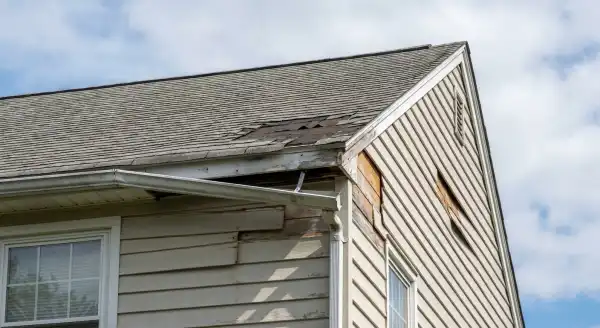
Salt-air fastener corrosion is Norwalk's most insidious roofing problem — galvanized roofing nails within a mile of Long Island Sound begin corroding within five to seven years and can fail completely by year 15, leaving shingles mechanically unsecured even though the shingle material itself appears sound. We have removed shingles from Rowayton and East Norwalk roofs that lifted off with no resistance because every nail had corroded to a stub. Stainless steel ring-shank nails are the only appropriate fastener for coastal Norwalk installations. Wind uplift damage from coastal storms strips shingles from rake edges and ridges where wind acceleration is greatest — Norwalk's waterfront exposure means wind loads exceed what inland Connecticut homes experience by 30 to 50 percent. The 2012 Sandy damage pattern revealed that homes with hip roofs sustained less damage than gable-end homes, and homes with six-nail patterns per shingle sustained less damage than four-nail installations. Flat-roof membrane failure on SoNo's commercial and mixed-use buildings produces ponding that deteriorates the membrane substrate and leaks into occupied spaces below. Tree impact from Norwalk's mature coastal oaks — particularly the white oaks in Cranbury and Silvermine that retain dead branches — causes structural damage during nor'easters and summer thunderstorms. Ice dam formation affects primarily the inland neighborhoods where greater snow accumulation and older housing stock create conditions for ice buildup at eaves.
Roofing Regulations in Norwalk, CT
Roofing permits in Norwalk are filed through the Building Department at City Hall, 125 East Avenue. A permit is required for any roof replacement and for significant repairs. The application requires CT HIC registration, proof of liability and workers' compensation insurance, and scope description. Norwalk's coastal location places portions of the city under FEMA flood zone and Coastal Area Management (CAM) regulations — roofing work on properties within the Coastal Boundary may require additional review under the Connecticut Coastal Management Act, particularly if the work involves structural changes to the roof system. Connecticut building code requires ice-and-water shield from the eave to 24 inches past the interior wall line. For Norwalk's coastal properties, high-wind shingle specifications (ASTM D3161 Class F or D7158 Class H, rated for 110+ mph) are strongly recommended and increasingly required by insurance underwriters. Two-layer maximum for roof-over installations. The Norwalk Historic District Commission reviews roofing changes on properties within the city's designated historic districts, including portions of SoNo and the Lockwood-Mathews area — material and color changes on contributing structures require commission approval. Dumpster placement on city streets requires a Public Works permit. Norwalk's proximity to Long Island Sound means some roofing debris disposal regulations differ from inland municipalities due to coastal environmental protection requirements.
Roofing by Neighborhood in Norwalk
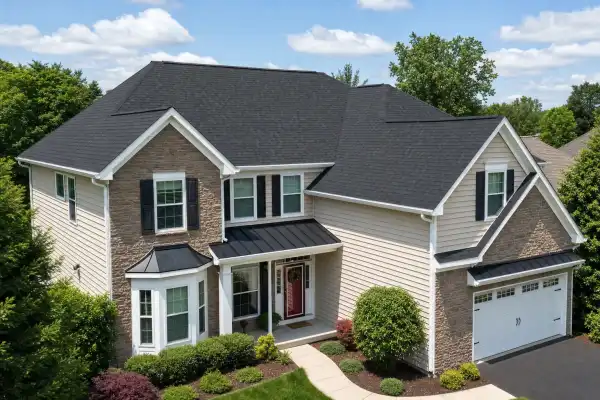
Rowayton is Norwalk's premier waterfront neighborhood and its most demanding roofing environment — homes face direct Long Island Sound exposure with salt spray, coastal winds, and the full force of tropical storm systems tracking up the coast. Stainless steel fasteners, high-wind-rated shingles (130 mph minimum), and sealed roof decking are standard specifications for Rowayton roofing. East Norwalk's coastal sections along Calf Pasture Beach and the harbor have similar salt-air exposure with denser housing that creates wind channeling between buildings. SoNo (South Norwalk) presents a mixed commercial and residential roofing challenge — flat-roof buildings in the arts and restaurant district require commercial membrane systems, while the residential blocks have century-old housing with steep-pitched roofs needing shingle replacement. Cranbury and West Norwalk are Norwalk's suburban interior where roofing challenges shift from coastal exposure to tree canopy debris, ice dams, and standard aging-material failure — the housing stock from the 1950s-1970s is on its second or third roof replacement. Silvermine's rural character means homes are set among heavy tree cover with steep lots that create access challenges for roofing equipment — specialty staging is frequently required. Wolfpit has Norwalk's most standard suburban roofing scope with 1960s-1980s colonials and raised ranches on accessible lots. The Norwalk Islands — Sheffield, Chimon, and others — have seasonal properties with extreme salt and wind exposure that require marine-grade roofing approaches.
Why Norwalk Needs Professional Roofing
Norwalk's roofing urgency is driven by coastal exposure that accelerates material degradation beyond what manufacturers' warranties contemplate. A shingle system rated for 30 years in central Connecticut may last 20 in Norwalk's salt-air environment, and fastener corrosion can undermine a roof system's wind resistance years before the shingles show visible deterioration. The hurricane and tropical storm threat makes Norwalk's roofing risk profile fundamentally different from inland Connecticut — Sandy's 2012 damage demonstrated that roofing installation quality (nail pattern, material selection, flashing detail) determined whether homes sustained minor damage or catastrophic failure from the same wind event. Insurance carriers serving Norwalk increasingly require documentation of wind-rated installation, and some offer premium reductions for verified high-wind roofing systems. Norwalk's real estate values — among the highest in Connecticut — make roof condition a significant factor in property transactions. Annual inspection is essential in Norwalk's coastal climate: salt-air corrosion, wind damage, and storm debris create cumulative deterioration that accelerates if unchecked. The most cost-effective Norwalk roofing investment is proper material selection from the start — stainless steel fasteners, high-wind shingles, and sealed decking cost more upfront but prevent the premature failures that coastal Norwalk homeowners experience with standard inland specifications.
What's Included in Our Norwalk Roofing Service
Full roof inspection with photo documentation
Architectural shingle, metal, tile, and flat roofing systems
Underlayment, ice and water shield, and ventilation upgrades
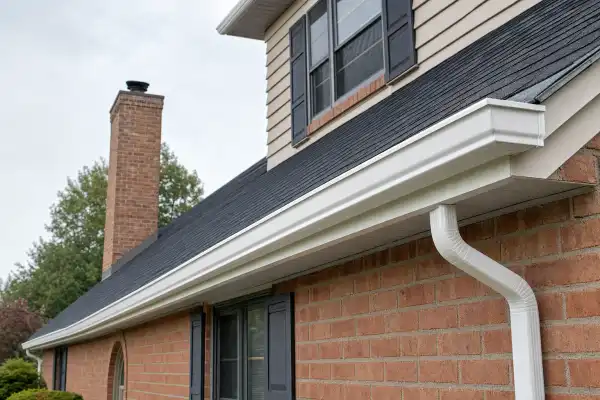
Drip edge, flashing, ridge cap, and all trim components
Manufacturer warranty on materials, contractor warranty on labor
Complete debris cleanup and haul-away after installation
Why Norwalk Homeowners Choose Restoration Control for Roofing
Licensed CT contractor — active state license verifiable online
IICRC-certified technicians with manufacturer-authorized installation training
Free on-site inspection and written estimate with no obligation in Norwalk
Full insurance claims support — documentation, Xactimate estimates, adjuster meetings
In-house crews only — no unlicensed subcontractors on your Norwalk project
Workmanship warranty backed by a company with 10+ years in Connecticut
24/7 emergency line for storm, water, and fire damage in Norwalk
BBB Accredited with A+ rating and 4.9-star average from 250+ reviews
Most residential roof replacements are completed in 1-2 days. Larger or more complex roofs with multiple pitches, dormers, or steep slopes may take 2-3 days. We work weather-dependent and keep your home protected at all times.
Will my homeowner's insurance cover a new roof?
If your roof was damaged by wind, hail, or a storm event, your homeowner's insurance typically covers replacement minus your deductible. Restoration Control works directly with insurance adjusters and can document damage, provide photo evidence, and write estimates in the format your insurer requires.
What roofing materials do you install?
We install architectural asphalt shingles (GAF, CertainTeed, Owens Corning), standing-seam metal, clay and concrete tile, modified bitumen flat roofing, and TPO/EPDM commercial membranes. We'll recommend the best system for your home's structure, climate, and budget.
Request Roofing in Norwalk, CT
Call (833) 380-7378 or complete the form below. A licensed CT estimator will contact you within 1 business hour to schedule your free on-site inspection.