Professional Water Damage Services — Licensed CT Contractor
Water Damage Restoration in Norwalk
Water damage in Norwalk follows the patterns of a coastal Connecticut city — storm surge and tidal flooding in Rowayton and East Norwalk, wind-driven rain intrusion during nor'easters throughout the city, sewer backup in the older combined system areas of SoNo, and the standard pipe burst and ice dam conditions that affect all of Connecticut during winter. Sandy in 2012 was the defining water damage event in Norwalk's recent history — tidal surge pushed Long Island Sound water into ground-floor living spaces and basements throughout the waterfront neighborhoods, contaminating everything it touched with salt water and harbor sediment. That experience reshaped how Norwalk thinks about water damage risk, and many coastal properties have since been elevated, retrofitted with flood vents, or rebuilt with flood-resistant materials below the base flood elevation. Our emergency team reaches Norwalk properties within the first hour, equipped with commercial extractors. Coastal flood events require salt-water extraction and dehumidification protocols that account for salt's hygroscopic properties (salt absorbs atmospheric moisture, keeping materials damp even after mechanical drying), while inland Norwalk water damage from pipe bursts and ice dams follows standard freshwater extraction procedures. The distinction is critical because salt-contaminated materials that appear dry will re-wet from humidity and develop mold unless the salt residue is removed through cleaning before final drying.
“After a burst pipe flooded our basement during a January freeze, Restoration Control arrived within an hour. Their team was professional, thorough, and kept us informed every step of the way. They handled our insurance claim and had our home restored in under two weeks. We could not have asked for a better experience.”
Robert & Linda M.
Hartford, CT
“A nor'easter ripped shingles off our Shippan Point home and water was pouring into the attic. Restoration Control had a crew on our roof the next morning, tarped the damage, and completed a full replacement within the week. Their knowledge of coastal roofing materials made all the difference.”
Jennifer S.
Stamford, CT
“We hired Restoration Control to replace the original siding on our 1920s Colonial in East Rock. They matched the historic character perfectly while upgrading to fiber cement that will actually withstand Connecticut winters. The craftsmanship is outstanding and the crew was respectful of our neighborhood.”
David & Maria T.
New Haven, CT
“After a kitchen fire, we were devastated. Restoration Control not only restored our home but helped us navigate the insurance process from start to finish. Their fire damage team removed all smoke odor and rebuilt our kitchen better than before. True professionals who treated us like family.”
Thomas K.
Bridgeport, CT
Frequently Asked Questions
Need Water Damage in Norwalk?
Call now for a free estimate. Our Norwalk team responds within 60–90 minutes, 24 hours a day, 7 days a week.
Water Damage Restoration in Norwalk, CT — Licensed Contractor
Water damage in Norwalk follows the patterns of a coastal Connecticut city — storm surge and tidal flooding in Rowayton and East Norwalk, wind-driven rain intrusion during nor'easters throughout the city, sewer backup in the older combined system areas of SoNo, and the standard pipe burst and ice dam conditions that affect all of Connecticut during winter. Sandy in 2012 was the defining water damage event in Norwalk's recent history — tidal surge pushed Long Island Sound water into ground-floor living spaces and basements throughout the waterfront neighborhoods, contaminating everything it touched with salt water and harbor sediment. That experience reshaped how Norwalk thinks about water damage risk, and many coastal properties have since been elevated, retrofitted with flood vents, or rebuilt with flood-resistant materials below the base flood elevation. Our emergency team reaches Norwalk properties within the first hour, equipped with commercial extractors. Coastal flood events require salt-water extraction and dehumidification protocols that account for salt's hygroscopic properties (salt absorbs atmospheric moisture, keeping materials damp even after mechanical drying), while inland Norwalk water damage from pipe bursts and ice dams follows standard freshwater extraction procedures. The distinction is critical because salt-contaminated materials that appear dry will re-wet from humidity and develop mold unless the salt residue is removed through cleaning before final drying.
Common Water Damage Restoration Problems in Norwalk
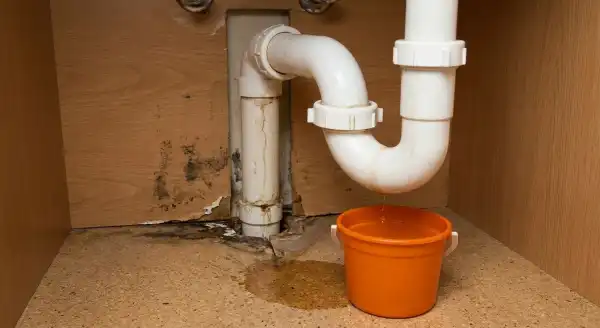
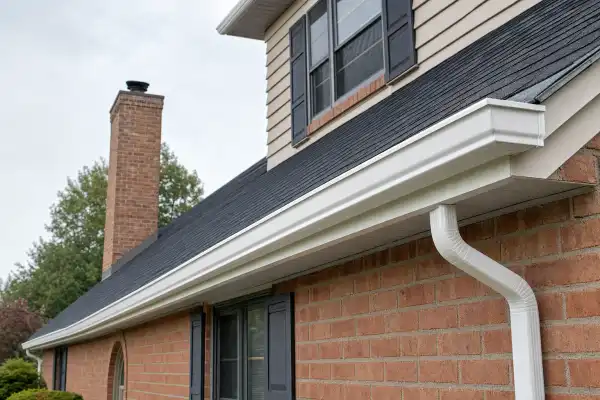
Coastal flooding and storm surge is Norwalk's most catastrophic water damage source. Properties in the FEMA AE and VE flood zones — primarily in Rowayton, East Norwalk, and low-lying sections of SoNo — face tidal flooding during major coastal storms that pushes contaminated harbor water (Category 3) into structures. This water contains sewage, petroleum residues, and marine organisms that make every contacted porous material unsalvageable. The salt-water dimension adds unique restoration challenges: salt crystals remain in materials after surface drying and absorb humidity, keeping the material damp and promoting mold indefinitely unless the salt is removed. Sewer backup through basement floor drains affects SoNo's older neighborhoods where combined sewer and stormwater systems overflow during heavy rain — a problem separate from coastal flooding that affects properties well above the flood zone. Ice dam water intrusion is an inland Norwalk problem, concentrated in Cranbury, West Norwalk, and Wolfpit where greater snow accumulation and older housing create ice dam conditions at eaves. Supply-line failures in Norwalk's aging plumbing stock produce the standard Connecticut water damage emergency — sudden, high-volume freshwater damage that requires immediate extraction. Groundwater intrusion through basement walls during prolonged wet seasons affects homes throughout Norwalk where perimeter drain tiles have deteriorated or foundation waterproofing has failed.
Water Damage Restoration Regulations in Norwalk, CT
Water damage restoration in Connecticut does not require a specific license for drying and extraction. Reconstruction involving plumbing, electrical, or structural work requires permits through Norwalk's Building Department. Connecticut mold remediation under Public Act 15-84 requires licensed contractors for projects exceeding 10 square feet of visible mold. Norwalk properties in FEMA flood zones have specific requirements: substantial damage determinations (damage exceeding 50% of building value) trigger compliance with current flood zone building standards, which may require elevation, flood venting, or reconstruction with flood-resistant materials below the base flood elevation. The National Flood Insurance Program (NFIP) governs flood insurance claims separately from standard homeowner's policies — documentation requirements differ and deductibles may apply differently. Coastal Area Management review may be triggered if reconstruction involves changes to the building footprint or structural systems within the Coastal Boundary. Norwalk's environmental regulations require proper disposal of flood-contaminated materials — salt-water-damaged building materials cannot be disposed of as standard construction debris if they contain hazardous residues. Lead and asbestos testing requirements apply to pre-1978 homes before demolition during restoration. CT HIC registration required for all reconstruction contractors.
Water Damage Restoration by Neighborhood in Norwalk
Rowayton has Norwalk's highest water damage risk from coastal flooding — waterfront and low-elevation properties face tidal surge during major storms that combines Long Island Sound water with harbor sediment and sewage, creating Category 3 contamination that requires complete removal of all contacted porous materials. Post-Sandy reconstruction in Rowayton has improved flood resilience through elevation, flood vents, and flood-resistant materials, but the fundamental exposure remains. East Norwalk's harbor-side neighborhoods face similar flood risk with denser housing that complicates emergency access and equipment deployment. SoNo's older mixed-use buildings experience both coastal flood risk in lower sections and sewer backup risk from the combined sewer system — a restaurant or retail space on the ground floor of a SoNo building may face water damage from below during heavy rain events. Cranbury and West Norwalk have Norwalk's most typical Connecticut water damage profile — pipe bursts, ice dams, and basement water intrusion from groundwater during wet seasons. The mature tree canopy in these neighborhoods clogs gutters that overflow and saturate foundation soil. Silvermine's homes on wooded hillside lots face water intrusion driven by slope — water migrates downhill through soil and enters basements on the uphill side. Wolfpit has Norwalk's most standard suburban water damage profile with good drainage and newer construction reducing but not eliminating risk.
Why Norwalk Needs Professional Water Damage Restoration
Norwalk's water damage restoration need is defined by the dual nature of its risk — coastal flooding that can damage hundreds of properties in a single storm event, and the standard Connecticut water damage sources (pipes, ice dams, groundwater) that affect individual homes year-round. The Sandy experience made Norwalk's coastal vulnerability unmistakable and drove both public infrastructure investment and private property improvements. But the ongoing, everyday water damage risk from aging plumbing, inadequate gutter systems, and deteriorating foundation waterproofing produces more cumulative damage across the city than periodic coastal storms. Response speed remains the most critical variable: extraction within 24 hours limits damage to surface restoration, while 72-hour delays in Norwalk's humid coastal climate virtually guarantee mold that multiplies costs. For Norwalk's coastal property owners, understanding the difference between flood insurance (NFIP) and standard homeowner's coverage is essential — many Sandy-affected homeowners discovered the gap between what they thought they had and what their policies actually covered. Annual plumbing inspection, gutter maintenance, and flood preparedness planning are the most cost-effective water damage prevention investments for Norwalk properties at every elevation.
What's Included in Our Norwalk Water Damage Restoration Service
Emergency water extraction with truck-mounted equipment
Structural drying with industrial air movers and dehumidifiers
Moisture mapping and thermal imaging documentation
Contaminated water (Category 2/3) removal and disinfection
Mold prevention treatment and monitoring
Full repair and rebuild of damaged walls, floors, and ceilings
Why Norwalk Homeowners Choose Restoration Control for Water Damage Restoration
Licensed CT contractor — active state license verifiable online
IICRC-certified technicians with manufacturer-authorized installation training
Free on-site inspection and written estimate with no obligation in Norwalk
Full insurance claims support — documentation, Xactimate estimates, adjuster meetings
In-house crews only — no unlicensed subcontractors on your Norwalk project
Workmanship warranty backed by a company with 10+ years in Connecticut
24/7 emergency line for storm, water, and fire damage in Norwalk
BBB Accredited with A+ rating and 4.9-star average from 250+ reviews
Our emergency dispatch team answers 24/7 and we aim to have a crew on-site within 1-3 hours of your call anywhere in Florida, Connecticut, or New Jersey. Fast response is critical — mold can begin to grow within 24-48 hours of moisture exposure.
Will my insurance cover water damage restoration?
Sudden and accidental water damage (burst pipe, appliance failure, ice dam) is typically covered by homeowner's insurance. Gradual leaks and flood damage from outside sources may require separate coverage. We document all damage thoroughly and work directly with your adjuster to maximize your claim.
What is the drying process?
After water extraction, we place industrial air movers and dehumidifiers strategically to dry the structure from the inside out. We use moisture meters and thermal imaging cameras to monitor progress daily. Average dry-out time is 3-5 days depending on material types and saturation level.
Request Water Damage Restoration in Norwalk, CT
Call (833) 380-7378 or complete the form below. A licensed CT estimator will contact you within 1 business hour to schedule your free on-site inspection.