Professional Siding Services — Licensed CT Contractor
Siding in Milford
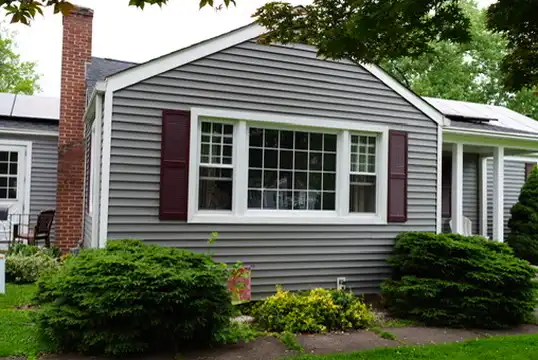
Milford's 17 miles of Long Island Sound coastline subject more residential siding to salt-air degradation than any other Connecticut city — from Woodmont's beach cottages to Silver Sands' waterfront homes to Gulf Beach's harbor-side properties, the salt spray that corrodes fasteners, deteriorates paint films, and accelerates UV breakdown of siding materials reaches homes well beyond the immediate waterfront. Inland Milford — Devon's tree-lined residential streets, the Boston Post Road commercial corridor, and North Milford's newer subdivisions — faces the standard Connecticut siding challenges of freeze-thaw cycling, moisture management, and aging materials reaching end of life. The city's housing diversity means siding conditions range from original cedar shingle on beach cottages that has been weathering since the 1940s to first-generation vinyl from the 1980s on Devon colonials to modern fiber cement on North Milford construction. Our Milford siding specifications are zone-specific: stainless steel fasteners and marine-grade house wrap within the salt zone, with materials selected for salt resistance (fiber cement with factory-applied finish or oil-stained cedar) rather than the standard vinyl that performs acceptably inland but fails prematurely in the coastal environment.
“After a burst pipe flooded our basement during a January freeze, Restoration Control arrived within an hour. Their team was professional, thorough, and kept us informed every step of the way. They handled our insurance claim and had our home restored in under two weeks. We could not have asked for a better experience.”
Robert & Linda M.
Hartford, CT
“A nor'easter ripped shingles off our Shippan Point home and water was pouring into the attic. Restoration Control had a crew on our roof the next morning, tarped the damage, and completed a full replacement within the week. Their knowledge of coastal roofing materials made all the difference.”
Jennifer S.
Stamford, CT
“We hired Restoration Control to replace the original siding on our 1920s Colonial in East Rock. They matched the historic character perfectly while upgrading to fiber cement that will actually withstand Connecticut winters. The craftsmanship is outstanding and the crew was respectful of our neighborhood.”
David & Maria T.
New Haven, CT
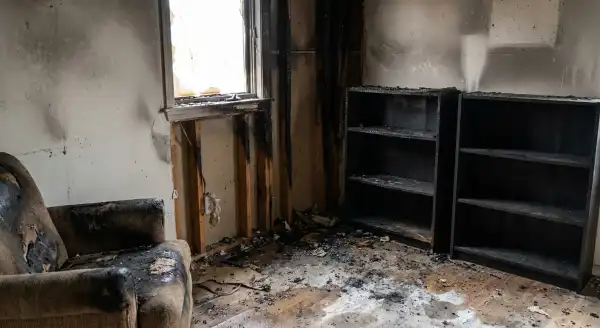
“After a kitchen fire, we were devastated. Restoration Control not only restored our home but helped us navigate the insurance process from start to finish. Their fire damage team removed all smoke odor and rebuilt our kitchen better than before. True professionals who treated us like family.”
Thomas K.
Bridgeport, CT
Frequently Asked Questions
Need Siding in Milford?
Call now for a free estimate. Our Milford team responds within 60–90 minutes, 24 hours a day, 7 days a week.
Milford's 17 miles of Long Island Sound coastline subject more residential siding to salt-air degradation than any other Connecticut city — from Woodmont's beach cottages to Silver Sands' waterfront homes to Gulf Beach's harbor-side properties, the salt spray that corrodes fasteners, deteriorates paint films, and accelerates UV breakdown of siding materials reaches homes well beyond the immediate waterfront. Inland Milford — Devon's tree-lined residential streets, the Boston Post Road commercial corridor, and North Milford's newer subdivisions — faces the standard Connecticut siding challenges of freeze-thaw cycling, moisture management, and aging materials reaching end of life. The city's housing diversity means siding conditions range from original cedar shingle on beach cottages that has been weathering since the 1940s to first-generation vinyl from the 1980s on Devon colonials to modern fiber cement on North Milford construction. Our Milford siding specifications are zone-specific: stainless steel fasteners and marine-grade house wrap within the salt zone, with materials selected for salt resistance (fiber cement with factory-applied finish or oil-stained cedar) rather than the standard vinyl that performs acceptably inland but fails prematurely in the coastal environment.
Common Siding Problems in Milford
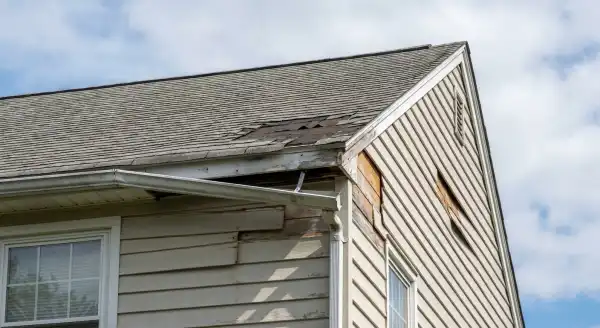
Salt-air corrosion of siding fasteners and metal trim components is Milford's signature exterior problem — the extent of the 17-mile coastline means this isn't limited to a few waterfront streets but affects entire neighborhoods from Woodmont through Point Beach to Devon's southern sections. Galvanized nails bleed rust stains through cedar shingle within a decade in the salt zone, aluminum J-channel and corner posts oxidize and weaken, and vinyl siding's UV stabilizers break down faster under the combined effect of direct sun and salt crystal abrasion. First-generation vinyl siding failure on Devon's 1950s-1960s housing is the most widespread siding condition in Milford by volume — 35 to 40-year-old vinyl that has become brittle, color-faded, and cracked from decades of Connecticut weather. In many cases this vinyl was installed over existing aluminum or wood siding without removing it, creating multi-layer walls where moisture is trapped and sheathing has been deteriorating invisibly. Wind-driven rain intrusion during coastal storms pushes water horizontally behind siding through failed caulk joints, deteriorated house wrap, and gaps around windows and doors — Sandy's 2012 damage demonstrated that siding installed without continuous sealed house wrap admits water throughout the wall during prolonged wind-rain events. Wood clapboard deterioration on Milford's remaining original-siding homes concentrates at the base of walls from splash-back and on north-facing walls where shade prevents drying.
Siding Regulations in Milford, CT
Siding replacement in Milford requires a building permit from the Building Department at City Hall. CT HIC registration and insurance documentation required. Connecticut energy code applies when siding is removed to sheathing — continuous insulation (R-5 minimum) or total wall U-factor compliance is required, making siding replacement an opportunity to substantially upgrade the thermal performance of Milford's older homes. The Historic District Commission reviews material changes on contributing structures in designated areas including the Green and Wharf Lane — cedar shingle and wood clapboard are generally required on significant buildings, and vinyl applications face scrutiny. Coastal Area Management review may apply for properties within the Coastal Boundary if siding work involves structural wall changes. Lead paint is present on virtually all pre-1978 Milford housing — EPA RRP Rule compliance is mandatory for siding disturbance, with certified worker requirements, containment protocols, and clearance testing. Coastal proximity makes lead paint containment particularly important, as paint chips can reach waterways and environmentally sensitive marshlands, adding Connecticut DEEP environmental compliance to federal requirements. Asbestos-containing siding (transite panels on 1940s-1960s homes) requires licensed abatement contractor removal. Dumpster permits required for containers on city streets.
Siding by Neighborhood in Milford
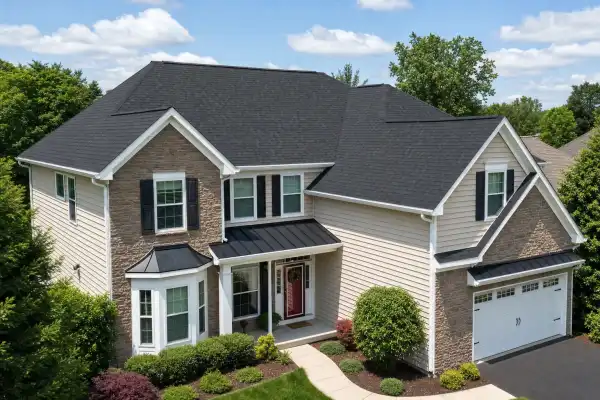
Woodmont and Silver Sands need the highest-specification siding in Milford — stainless steel fasteners throughout, marine-grade house wrap, and materials that resist salt degradation. Fiber cement with factory-applied ColorPlus finish provides the best combination of salt resistance, dimensional stability, and paintability for waterfront homes. Cedar shingle with oil-based penetrating stain is the traditional coastal alternative — the stain penetrates rather than filming, so it doesn't blister in the salt environment the way paint does. Point Beach and Gulf Beach have similar salt exposure with somewhat more sheltered harbor positions. Devon is Milford's highest-volume suburban siding market — consistent 1940s-1960s colonials and capes where aging aluminum or first-generation vinyl replacement follows predictable patterns. Insulated vinyl or fiber cement are the standard material choices, and Devon's housing consistency allows efficient project execution. The Boston Post Road corridor has mixed commercial and residential siding needs. North Milford's newer housing has more modern siding materials that may still have useful service life but benefit from inspection and maintenance assessment. The downtown and Green area has Milford's most architecturally significant siding, where preservation-compatible materials and Historic District Commission approval may be required.
Why Milford Needs Professional Siding
Milford's siding replacement urgency is driven by the 17-mile coastline that creates more salt-damaged siding than any other Connecticut city and the inland housing stock reaching its siding replacement cycle simultaneously. Coastal properties face active fastener corrosion and material degradation that worsens each season — proactive replacement with salt-resistant specifications prevents the cascade from siding failure to structural sheathing damage that multiplies costs. Devon's post-war housing has first-generation siding materials that are 35 to 50 years old and past functional life — replacement with modern insulated systems provides the thermal improvement that Connecticut's high energy costs make financially compelling. Milford's real estate market, strengthened by beach access and downtown revitalization, responds directly to exterior condition — siding quality is one of the most visible factors buyers evaluate from the curb. The Sandy experience demonstrated that wind-rated siding installation matters for all Milford properties, not just beachfront — wind damage from that storm extended well inland of the immediate waterfront. Modern siding with continuous insulation, sealed house wrap, and proper flashing protects the building envelope against both the daily salt-air assault and the periodic storm events that Milford's coastal position guarantees.
What's Included in Our Milford Siding Service
Full siding inspection and damage assessment
Vinyl, fiber cement, engineered wood, and cedar options
Moisture barrier and house wrap installation
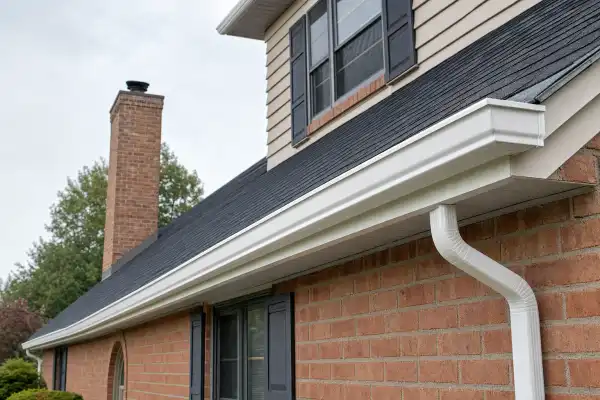
Trim, corner posts, J-channel, and soffit/fascia work
Energy-efficient insulated siding available
Paint-matched caulking and sealed penetrations
Why Milford Homeowners Choose Restoration Control for Siding
Licensed CT contractor — active state license verifiable online
IICRC-certified technicians with manufacturer-authorized installation training
Free on-site inspection and written estimate with no obligation in Milford
Full insurance claims support — documentation, Xactimate estimates, adjuster meetings
In-house crews only — no unlicensed subcontractors on your Milford project
Workmanship warranty backed by a company with 10+ years in Connecticut
24/7 emergency line for storm, water, and fire damage in Milford
BBB Accredited with A+ rating and 4.9-star average from 250+ reviews
Fiber cement siding (James Hardie) is the most durable option, with a 30-year warranty and resistance to rot, insects, and fire. Vinyl siding is lower-cost with a 20-25 year lifespan. Engineered wood siding offers natural aesthetics with improved durability over traditional wood.
Can you match my existing siding after storm damage?
In many cases yes — we stock a wide range of profiles, colors, and textures. For discontinued products, we work closely with manufacturers to find the closest match. For major damage, a full replacement often provides a better long-term result and uniform appearance.
Does new siding improve energy efficiency?
Yes. Insulated vinyl and fiber cement siding can reduce thermal bridging and improve wall R-values. Combined with new house wrap and sealed penetrations, properly installed siding can noticeably lower heating and cooling costs.
Request Siding in Milford, CT
Call (833) 380-7378 or complete the form below. A licensed CT estimator will contact you within 1 business hour to schedule your free on-site inspection.