Professional Siding Services — Licensed CT Contractor
Siding in West Hartford
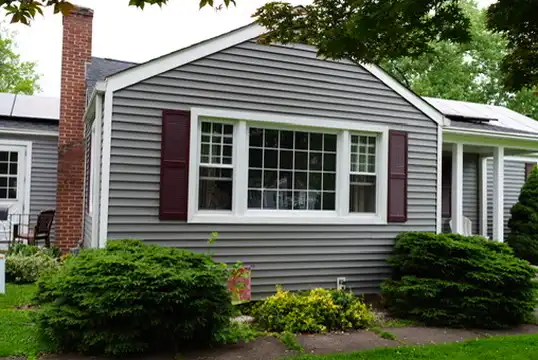
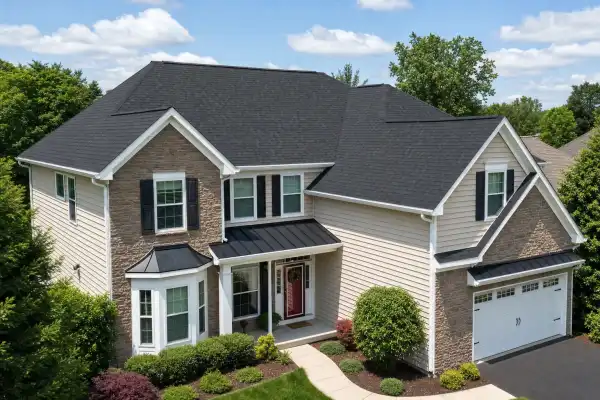
West Hartford's siding reflects the town's residential character — neighborhoods of well-maintained colonials, capes, and ranches where exterior appearance directly affects property values that rank among Connecticut's highest. The original siding varies by neighborhood and era: Elmwood's early 20th-century homes have wood clapboard that has been painted continuously or covered with aluminum or vinyl, the center neighborhoods around Blue Back Square have 1920s-1940s colonials with original cedar clapboard or early asbestos shingle, and the western neighborhoods have 1950s-1960s homes where aluminum or first-generation vinyl siding from the 1970s-1980s is approaching or past its useful life. West Hartford's 42 inches of annual snow, 47 inches of rain, and four-season climate subjects every siding material to thermal expansion, freeze-thaw cycling, UV degradation, and moisture absorption — conditions that gradually deteriorate even quality materials over 25 to 35 years. The town's mature tree canopy creates shade conditions that promote algae growth on north-facing siding and trap moisture against walls in heavily wooded lots. Our West Hartford siding projects are specified to match the architectural character of each neighborhood — fiber cement for homes where the profile and paint-grade finish maintains colonial aesthetics, premium vinyl with insulation backing for mid-century housing, and wood clapboard restoration for the most significant historic properties.
“After a burst pipe flooded our basement during a January freeze, Restoration Control arrived within an hour. Their team was professional, thorough, and kept us informed every step of the way. They handled our insurance claim and had our home restored in under two weeks. We could not have asked for a better experience.”
Robert & Linda M.
Hartford, CT
“A nor'easter ripped shingles off our Shippan Point home and water was pouring into the attic. Restoration Control had a crew on our roof the next morning, tarped the damage, and completed a full replacement within the week. Their knowledge of coastal roofing materials made all the difference.”
Jennifer S.
Stamford, CT
“We hired Restoration Control to replace the original siding on our 1920s Colonial in East Rock. They matched the historic character perfectly while upgrading to fiber cement that will actually withstand Connecticut winters. The craftsmanship is outstanding and the crew was respectful of our neighborhood.”
David & Maria T.
New Haven, CT
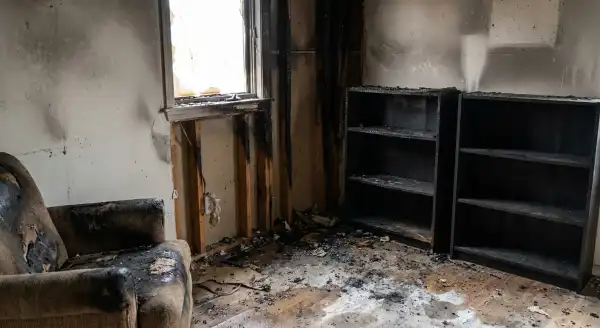
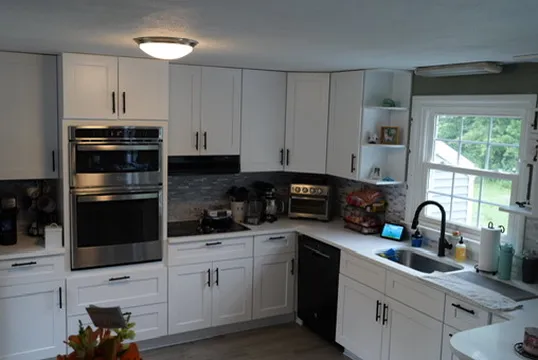
“After a kitchen fire, we were devastated. Restoration Control not only restored our home but helped us navigate the insurance process from start to finish. Their fire damage team removed all smoke odor and rebuilt our kitchen better than before. True professionals who treated us like family.”
Thomas K.
Bridgeport, CT
Frequently Asked Questions
Need Siding in West Hartford?
Call now for a free estimate. Our West Hartford team responds within 60–90 minutes, 24 hours a day, 7 days a week.
West Hartford's siding reflects the town's residential character — neighborhoods of well-maintained colonials, capes, and ranches where exterior appearance directly affects property values that rank among Connecticut's highest. The original siding varies by neighborhood and era: Elmwood's early 20th-century homes have wood clapboard that has been painted continuously or covered with aluminum or vinyl, the center neighborhoods around Blue Back Square have 1920s-1940s colonials with original cedar clapboard or early asbestos shingle, and the western neighborhoods have 1950s-1960s homes where aluminum or first-generation vinyl siding from the 1970s-1980s is approaching or past its useful life. West Hartford's 42 inches of annual snow, 47 inches of rain, and four-season climate subjects every siding material to thermal expansion, freeze-thaw cycling, UV degradation, and moisture absorption — conditions that gradually deteriorate even quality materials over 25 to 35 years. The town's mature tree canopy creates shade conditions that promote algae growth on north-facing siding and trap moisture against walls in heavily wooded lots. Our West Hartford siding projects are specified to match the architectural character of each neighborhood — fiber cement for homes where the profile and paint-grade finish maintains colonial aesthetics, premium vinyl with insulation backing for mid-century housing, and wood clapboard restoration for the most significant historic properties.
Common Siding Problems in West Hartford
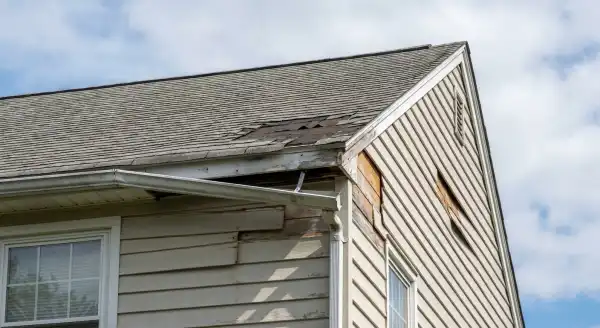
First-generation vinyl siding failure is West Hartford's most widespread exterior concern — thousands of homes in the western neighborhoods received vinyl over-clad in the 1980s and early 1990s, and these systems are now 35 to 40 years old with UV-degraded surfaces, brittle panels that crack on impact, and faded color that no longer matches replacement panels. The vinyl was typically installed over existing siding without removing it, so moisture dynamics between layers have been deteriorating the original siding and sheathing underneath for decades. Aluminum siding oxidation and storm damage on Elmwood and center-town homes from the 1960s-1970s aluminum era presents the familiar chalky-surface and dent-damage pattern that is unrepairable without panel replacement. Paint failure on West Hartford's original wood clapboard homes — concentrated in the center neighborhoods — is driven by moisture from inside the wall pushing through unvapor-barriered assemblies, causing blistering and peeling within three to five years of repainting. Addressing the paint failure requires improving the wall's moisture management, not just repainting. Ice impact damage at the base of siding from sliding roof snow and splash-back from heavy rain deteriorates the bottom siding courses on homes throughout the town. Window and door trim deterioration from failed caulk joints allows water behind siding at the most vulnerable penetration points in the wall envelope.
Siding Regulations in West Hartford, CT
Siding replacement in West Hartford requires a building permit from the Building Department at Town Hall. CT HIC registration and insurance documentation required. Connecticut energy code applies when siding is removed to sheathing — continuous insulation or total wall U-factor compliance required. West Hartford's Architectural Review Board may review material changes on designated properties, and the town's strong neighborhood character means that siding choices significantly out of keeping with the surrounding homes may face informal community scrutiny even without formal review authority. Lead paint is present on virtually all pre-1978 West Hartford homes — EPA RRP Rule compliance is mandatory for siding disturbance. Asbestos-containing siding on mid-century homes requires licensed abatement if present. West Hartford's property maintenance code establishes standards for exterior condition — significantly deteriorated siding can trigger compliance notification. The town's zoning regulations may be relevant for siding projects that alter building dimensions through foam insulation board thickness. Dumpster permits required for containers on town roads. The town has specific standards for construction debris disposal that must be followed.
Siding by Neighborhood in West Hartford
Elmwood presents West Hartford's most varied siding scope — early 20th-century homes with every siding condition from well-maintained original clapboard to triple-layered walls that need complete strip-and-rebuild. The neighborhood's more diverse housing stock and moderate price points make it West Hartford's most active siding replacement market by volume. The center neighborhoods around Blue Back Square have West Hartford's most architecturally significant homes, and siding choices here must complement the colonial and Tudor Revival character — fiber cement with historically appropriate profiles is the most popular choice for homeowners updating from wood clapboard or removing aging aluminum overlays. Prospect Avenue and adjacent streets have the town's largest homes and highest siding project values. The western neighborhoods near Hall and Conard high schools have the most uniform siding replacement scope in West Hartford — 1950s-1960s colonials and ranches where aging vinyl or aluminum is replaced with modern insulated systems. The housing consistency allows efficient project execution with predictable timelines. Bishop's Corner area homes from the 1960s-1980s have slightly newer siding that may still have useful life remaining, but thermal upgrade through insulated siding replacement is increasingly popular as energy costs drive the decision. West Hartford's competitive real estate market makes exterior appearance a direct property value factor — siding condition is one of the first things buyers evaluate from the curb.
Why West Hartford Needs Professional Siding
West Hartford's siding replacement is driven by the intersection of aesthetic standards, energy costs, and building envelope protection in a community where property values justify quality investment. The town's housing stock is reaching a critical siding replacement cycle — first-generation vinyl from the 1980s is past useful life, aluminum from the 1960s-1970s has been deteriorating for half a century, and even well-maintained wood clapboard needs periodic evaluation of the wall assembly behind it. Connecticut's high energy costs make the insulation component of modern siding replacement particularly compelling: adding R-3 to R-5 of continuous insulation to walls with minimal original insulation produces measurable heating and cooling savings year after year. West Hartford's real estate market responds directly to exterior condition — the difference between maintained and deteriorated siding affects not just one property's value but the entire street's perception. For West Hartford homeowners who plan to stay, siding replacement with quality materials eliminates cyclical maintenance (painting, patching, caulking) for 30 to 50 years. For those preparing to sell, new siding is among the highest-return exterior investments in West Hartford's competitive market.
What's Included in Our West Hartford Siding Service
Full siding inspection and damage assessment
Vinyl, fiber cement, engineered wood, and cedar options
Moisture barrier and house wrap installation
Trim, corner posts, J-channel, and soffit/fascia work
Energy-efficient insulated siding available
Paint-matched caulking and sealed penetrations
Why West Hartford Homeowners Choose Restoration Control for Siding
Licensed CT contractor — active state license verifiable online
IICRC-certified technicians with manufacturer-authorized installation training
Free on-site inspection and written estimate with no obligation in West Hartford
Full insurance claims support — documentation, Xactimate estimates, adjuster meetings
In-house crews only — no unlicensed subcontractors on your West Hartford project
Workmanship warranty backed by a company with 10+ years in Connecticut
24/7 emergency line for storm, water, and fire damage in West Hartford
BBB Accredited with A+ rating and 4.9-star average from 250+ reviews
Fiber cement siding (James Hardie) is the most durable option, with a 30-year warranty and resistance to rot, insects, and fire. Vinyl siding is lower-cost with a 20-25 year lifespan. Engineered wood siding offers natural aesthetics with improved durability over traditional wood.
Can you match my existing siding after storm damage?
In many cases yes — we stock a wide range of profiles, colors, and textures. For discontinued products, we work closely with manufacturers to find the closest match. For major damage, a full replacement often provides a better long-term result and uniform appearance.
Does new siding improve energy efficiency?
Yes. Insulated vinyl and fiber cement siding can reduce thermal bridging and improve wall R-values. Combined with new house wrap and sealed penetrations, properly installed siding can noticeably lower heating and cooling costs.
Request Siding in West Hartford, CT
Call (833) 380-7378 or complete the form below. A licensed CT estimator will contact you within 1 business hour to schedule your free on-site inspection.