Professional Storm Damage Restoration Across Florida
Florida absorbs more hurricane landfalls than any other US state — with 120 documented hurricanes making landfall since 1851 and an average recurrence interval of approximately one major hurricane (Category 3+) every three years. But hurricane landfalls tell only part of the story. Central Florida, despite sitting 50-80 miles inland from both coasts, experiences tropical storm-force sustained winds (39-73 mph) and hurricane-force gusts during the majority of landfalling systems. Hurricane Ian in 2022 maintained Category 1 winds through Orange and Seminole counties — nearly 100 miles from its Fort Myers Beach landfall — causing $3+ billion in insured losses in the Orlando metro area alone. The inland damage misconception — the belief that Orlando is safe from hurricanes — is the single most dangerous assumption Central Florida homeowners make.
Our storm damage response model is built around pre-positioning rather than reaction. Beginning 72 hours before a named storm's projected landfall window, we activate our hurricane response protocol: emergency tarping materials and generators are staged at distributed locations across Orange, Seminole, Osceola, and Volusia counties, crew assignments are confirmed, fuel reserves are topped off, and communication trees are tested. Within 2-4 hours of storm passage and road accessibility, our crews deploy to affected areas for emergency tarping and structural securing — while most contractors are still assessing conditions. This pre-positioning capability, developed over eight hurricane seasons in Central Florida, is the single most important factor in preventing the secondary water damage that multiplies restoration costs by 5-10x when tarping is delayed by days or weeks.
Florida's storm damage insurance environment is the most complex and contentious in the nation. Following a decade of carrier insolvencies, AOB reform legislation (SB 2-A, 2022), and the elimination of one-way attorney fee provisions, homeowners navigating hurricane claims face a fundamentally different landscape than existed even five years ago. Citizens Property Insurance Corporation — the state-created insurer of last resort — now holds over 1.3 million policies and processes claims under its own managed repair program. Private carriers including Heritage, Universal, American Integrity, Slide, and Security First each maintain separate claim procedures, documentation requirements, preferred vendor lists, and depreciation schedules. We maintain current process knowledge and documentation templates for every active Florida carrier, ensuring your claim is filed and supported in the format your specific insurer requires.
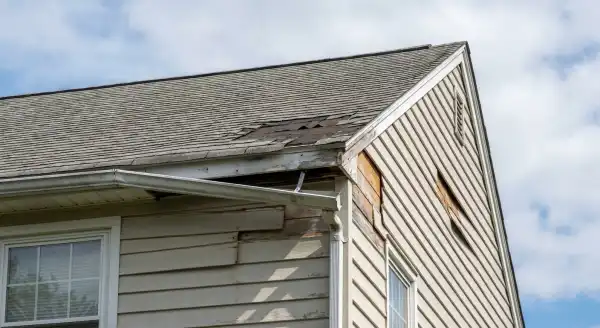
The types of storm damage in Central Florida span the full spectrum of wind, water, and impact effects. Straight-line winds from the eyewall and feeder bands strip shingles, tear siding, collapse screen enclosures and pool cages, topple trees onto structures, and lift garage doors. Tornado activity embedded in outer rainbands produces concentrated, catastrophic damage to individual properties — complete roof removal, structural racking, and debris impact. Wind-driven rain penetrates through any breach in the building envelope, saturating insulation, drywall, and flooring. And in low-lying areas, storm surge and freshwater flooding introduce Category 3 contaminated water that requires complete removal of contacted porous materials. Our damage assessment protocol systematically documents each damage type with separate evidence, enabling proper claim filing under the correct coverage — windstorm, flood (NFIP or private), or both.
Post-hurricane demand surge is a well-documented phenomenon that Florida homeowners must understand. After a major storm, the simultaneous demand for roofing materials, tarps, labor, and restoration services across the affected region causes prices to spike 30-50% above pre-storm levels. Material lead times that are normally 1-3 days extend to weeks or months. Licensed Florida contractors are overwhelmed with work, creating a vacuum that unlicensed storm chasers from out of state rush to fill — often with substandard workmanship and fraudulent insurance practices. Our established Central Florida operation, local material relationships, and pre-storm inventory reserves allow us to deliver consistent pricing and quality even during post-hurricane demand surges, and we never require upfront payment or AOB assignment to begin emergency work.
Why Choose Restoration Control for Storm Damage Restoration in Florida
72-hour pre-storm crew and material pre-positioning across 4 Central FL counties — emergency tarping deploys within 2-4 hours of storm passage, not days or weeks
Systematic damage assessment covering all storm damage types: wind (roof, siding, gutters, screen enclosures), water intrusion (wind-driven rain, roof breach flooding), and impact (fallen trees, airborne debris) — each documented separately for insurance categorization
Dual windstorm/flood damage documentation when both coverage types apply — separate evidence packages for homeowners windstorm claims and NFIP or private flood claims, preventing the misclassification that delays or denies legitimate claims
Every active FL carrier's current claim process and documentation format on file — Citizens managed repair coordination, Heritage, Universal, American Integrity, Slide, and Security First specific requirements all handled without homeowner research
Emergency structural securing beyond tarping — board-up of broken windows and doors, temporary bracing of racked wall and roof framing, generator-powered dehumidification to prevent mold in water-damaged areas
FEMA Individual Assistance and SBA disaster loan documentation support when federal disaster declarations are issued — helping FL homeowners access all available recovery resources
No AOB assignment or upfront payment required for emergency work — we bill insurance directly with your authorization, protecting homeowners from the predatory practices that led to Florida's 2022 insurance reform legislation
Post-hurricane demand surge protection — pre-storm material inventory reserves and established local supplier relationships ensure consistent pricing and availability when out-of-state contractors face weeks-long material delays
Storm Damage Restoration Challenges in Florida
Every state has unique conditions that affect storm damage restoration. Here's what Florida homeowners face and how we address it.
Inland Hurricane Wind Damage in Central Florida
Central Florida homeowners incorrectly assume that being 50-80 miles from the coast provides protection from hurricanes. Hurricane Ian (2022) demonstrated otherwise — maintaining Category 1 sustained winds through Orange and Seminole counties and producing EF1-EF2 tornado damage in Volusia County, causing billions in insured losses across the metro area. Our post-hurricane inspection protocol treats every Central Florida home as a potential wind damage site, systematically checking all roof planes, all wall exposures, soffit and fascia attachment, screen enclosures, fencing, and garage doors regardless of the homeowner's initial damage perception.
Embedded Tornado Damage Identification
Florida tropical systems spawn more tornadoes per hurricane than systems in any other state, with EF0-EF2 tornadoes embedded in outer rainbands often striking with minimal warning. Tornado damage creates concentrated destruction — one home may lose its entire roof while the adjacent property has minor shingle damage. Accurately identifying and documenting tornado damage (vs. straight-line wind) matters for insurance claims because tornado damage patterns often justify complete roof replacement rather than partial repair. Our assessment teams are trained to identify the rotational debris patterns, converging damage vectors, and structural racking that distinguish tornado impact from straight-line wind.
Secondary Water Damage From Delayed Tarping
The period between storm passage and emergency tarping is the highest-risk window for Florida properties. Every hour of exposure to rain through a compromised roof allows water to saturate insulation, drywall, and flooring — and in Florida's 74% humidity, mold colonization begins within 24 hours. A $3,000-$5,000 roof tarping performed within hours of damage can prevent $30,000-$100,000+ in interior water damage and mold remediation. Our 2-4 hour post-storm deployment timeline exists specifically to close this window before secondary damage begins.
Wind vs. Flood Damage Classification Disputes
The most contentious insurance issue in Florida storm damage is distinguishing wind damage (covered by homeowners policy) from flood damage (covered only by separate NFIP or private flood policy). Water inside a home after a hurricane could result from wind-driven rain through a roof breach (wind claim), rising floodwater (flood claim), or both. Carriers routinely attempt to classify damage under the coverage the homeowner does not carry. Our documentation protocol uses water line evidence, debris patterns, moisture mapping, and timeline reconstruction to establish the cause of each damaged element and support claims under the correct coverage.
Unlicensed Storm Chaser Contractor Risk
After every Florida hurricane, hundreds of unlicensed out-of-state contractors descend on affected areas offering immediate repairs at below-market prices — often requiring upfront payment or AOB assignment. These operators frequently perform substandard work that fails at the next storm, disappear before warranty issues arise, and submit inflated insurance claims that contribute to carrier insolvency and premium increases for all Florida homeowners. We are a licensed, established Central Florida contractor with permanent operations, verifiable license credentials (check at myfloridalicense.com), and a documented track record across multiple hurricane seasons.
Storm Damage Restoration in 7 Florida Cities
Click your city for local storm damage restoration details, scheduling, and pricing.
Roofing, Siding, Gutters & Remodeling in Storm Damage Restoration, FL
Restoration Control serves Storm Damage Restoration, Florida with professional roofing, siding, seamless gutter installation, kitchen remodeling, bathroom remodeling, and 24/7 emergency restoration services. Our Storm Damage Restoration-area crews are licensed FL contractors who carry full general liability and workers compensation insurance, hold active state contractor licenses, and bring IICRC certifications to every restoration project. We provide free on-site inspections and written estimates at no charge or obligation to homeowners and commercial property owners throughout Storm Damage Restoration and surrounding communities.
Restoration Control has completed roofing, siding, and remodeling projects in Storm Damage Restoration neighborhoods and understands the local building codes, permit requirements, and common weather-related damage patterns in this area. When your project involves an insurance claim — whether from storm damage, water intrusion, fire, or hail — our team documents all damage, prepares detailed estimates in the format your carrier requires, and coordinates directly with your adjuster to ensure a fair settlement. Call (833) 380-7378 to schedule your free Storm Damage Restoration inspection.
Residential and commercial roofing including storm damage repairs, full roof replacements, emergency tarping, and new construction roofing. Architectural shingles, metal roofing, tile, and flat systems available with manufacturer warranties. Free inspection and insurance claims assistance in Storm Damage Restoration.
Vinyl, fiber cement, engineered wood, and cedar siding installation and replacement. Storm damage siding repair with insurance coordination. Proper house wrap and insulation installation for improved energy efficiency in Storm Damage Restoration homes.
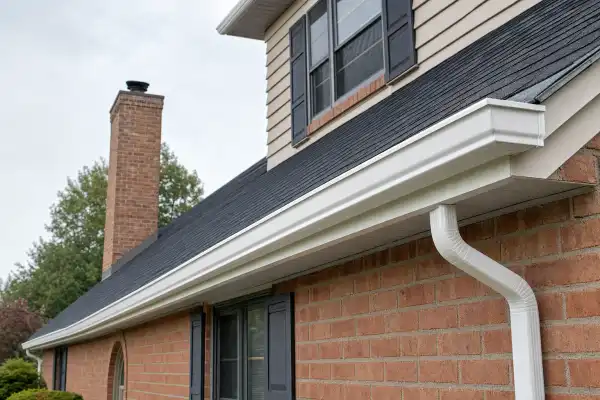
Custom seamless aluminum gutters fabricated on-site to fit your Storm Damage Restoration home. Complete gutter systems with downspouts and extensions. Micro-mesh gutter guard installation to reduce maintenance and protect your foundation.
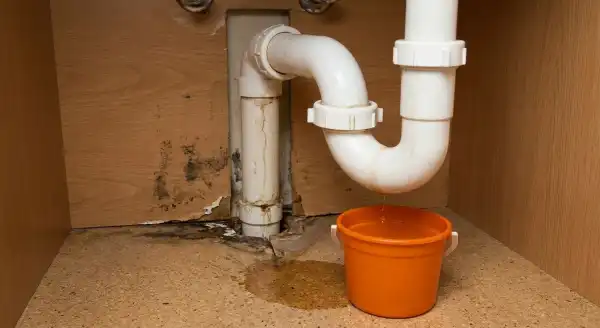
24/7 emergency water extraction, structural drying, and mold prevention. IICRC-certified technicians respond within 1-3 hours of your call in Storm Damage Restoration. Full insurance claims documentation and rebuild services.
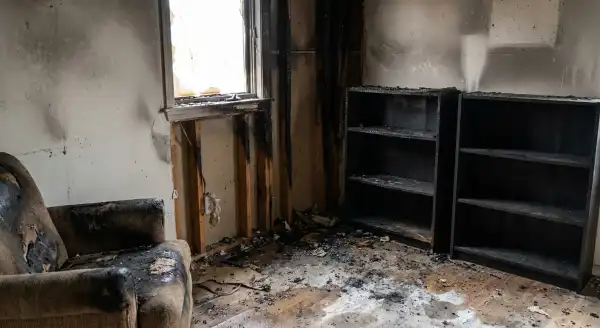
Emergency board-up, smoke and soot cleanup, structural repairs, and complete rebuild after fire in Storm Damage Restoration. IICRC-certified team works directly with your insurance company throughout the restoration process.
Emergency tarping and board-up after severe weather, plus complete roof, siding, and structural rebuild. Our Storm Damage Restoration storm teams respond 24/7 and manage all insurance claim documentation and adjuster coordination.
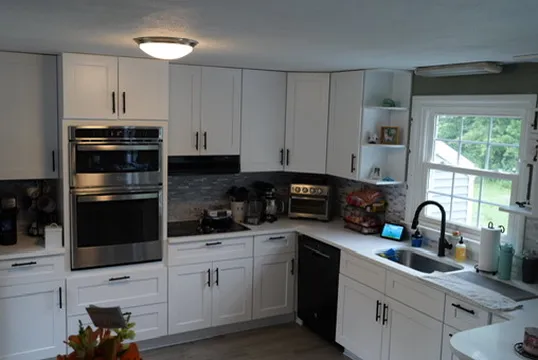
Full-service kitchen renovation including custom cabinets, stone countertops, backsplash, and appliance coordination. Licensed FL contractors managing your Storm Damage Restoration kitchen project from design to final inspection.
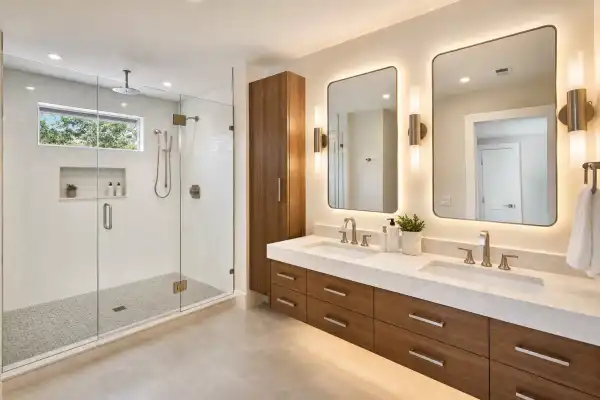
Walk-in shower installations, tub-to-shower conversions, vanity upgrades, and complete bathroom renovations in Storm Damage Restoration. All trades in-house: plumbing, electrical, tile, carpentry, and painting.
Why Storm Damage Restoration Homeowners Choose Restoration Control
Licensed FL contractor — license numbers available on request and verifiable with the state
IICRC-certified restoration technicians for water, fire, and mold emergencies
Free on-site inspection and written estimate for every project in Storm Damage Restoration
Insurance claims coordination with all major carriers
24/7 emergency response for storm, water, and fire damage in Storm Damage Restoration
Full in-house crews — no unlicensed subcontractors
Workmanship warranty on all completed projects
What Storm Damage Restoration Customers Say
"Restoration Control replaced our roof after a major storm. The whole process was seamless — they handled everything with our insurance company and the roof looks great. Couldn't be happier with the crew they sent out."
"We had water damage from a burst pipe and they were at our house within 2 hours. They dried everything out quickly, documented the damage for our claim, and repaired the ceiling and walls perfectly. Very professional team."
Schedule a Free Inspection in Storm Damage Restoration
Call (833) 380-7378 or fill out the form below. We serve Storm Damage Restoration and surrounding areas throughout Florida.