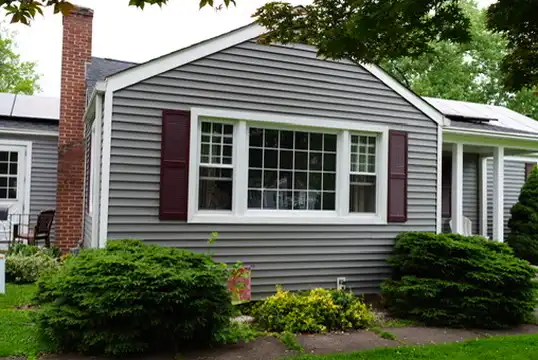
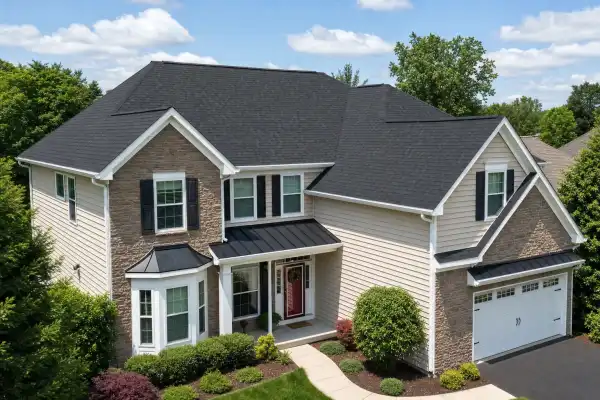
Siding installation in Florida operates under fundamentally different constraints than anywhere else in the country. The combination of sustained UV exposure rated at index 8-11 for seven months of the year, average ambient humidity of 74%, salt air penetration reaching 15-20 miles inland from both coasts, and FBC wind pressure requirements calculated for 150 mph ultimate design speeds creates a material performance environment where products that last 30+ years in northern states may fail in 10-15 years. Florida's siding market has responded by gravitating toward engineered solutions — fiber cement, impact-rated vinyl, and aluminum with marine-grade coatings — while traditional wood and standard vinyl have largely fallen out of specification for new construction and quality renovations.
The Florida Building Code requires exterior cladding systems to meet product approval standards for wind resistance, tested per ASTM E330 or TAS 202 protocols at pressures corresponding to the building's specific wind zone and exposure category. In practical terms, siding on a two-story Orlando home must resist design pressures of 25-40 psf depending on the wall zone (field vs. corner) and building height. This rules out lightweight installation methods common in northern states and requires specific fastener schedules, clip systems, or adhesive patterns documented in the product's FL Product Approval. Every siding installation we perform references the specific Product Approval number and follows the tested installation method — not generic manufacturer instructions intended for low-wind regions.
Pricing for siding replacement in Central Florida varies significantly by material. Vinyl siding (impact-rated, FL Product Approved) runs $4.50-$7.00 per sq ft installed, fiber cement (James Hardie HZ10 for FL climate zones) costs $8.00-$13.00 per sq ft installed, and engineered wood (LP SmartSide with factory finish) falls between $7.00-$11.00 per sq ft installed. A typical 1,800 sq ft re-siding project in the Orlando metro area costs $12,000-$25,000 depending on material choice, existing siding removal requirements, and the extent of sheathing or moisture barrier replacement needed. National averages run 15-25% lower because they do not account for Florida's enhanced fastener requirements, product approval compliance, and moisture management detailing.
Florida's hurricane season demands that siding serve as more than an aesthetic surface — it is a critical component of the building envelope's wind and water resistance. During hurricanes and tropical storms, wind-driven rain impacts siding at near-horizontal angles with pressures that force water through joints, behind J-channel, and around window penetrations. The FBC addresses this with requirements for weather-resistant barriers (WRB) behind all cladding, proper head and sill flashing at penetrations, and integration of the WRB with window and door flashing systems. Our installation protocol includes Tyvek DrainWrap or equivalent WRB, flexible flashing membrane at all penetrations, and a minimum 3/16-inch rainscreen drainage gap behind fiber cement — creating a drainage plane that directs wind-driven rain harmlessly to the bottom of the wall rather than allowing it to accumulate against sheathing.
The humidity and biological growth factor in Florida siding performance cannot be overstated. At 74% average relative humidity, any trapped moisture behind siding creates conditions for mold colonization within 48-72 hours — compared to weeks or months in drier climates. Spanish moss, lichen, and algae establish on siding surfaces within a single rainy season, with north-facing and shaded walls accumulating visible biological growth in as little as 6-12 months. Fiber cement and engineered wood with factory-applied finishes resist biological colonization far better than bare wood or textured vinyl, but no material is immune without proper ventilation and drainage plane design. Every siding system we install incorporates ventilation detailing that allows the wall assembly to dry — a critical detail that many Florida contractors omit, leading to trapped moisture, hidden mold, and premature sheathing failure.
Why Choose Restoration Control for Siding in Florida
James Hardie HZ10 Preferred Installer — the fiber cement formulation engineered specifically for FL humidity zones with baked ColorPlus finishes warranted 15 years against fading, chipping, and peeling
FL Product Approval verified installations — every material carries a current FBC product approval number tested for Florida's wind pressure requirements per ASTM E330 or TAS 202
Full weather-resistant barrier (WRB) system with Tyvek DrainWrap, flexible flashing at all penetrations, and minimum 3/16-inch rainscreen drainage gap behind fiber cement cladding
UV-stabilized materials rated for Florida's 8-11 UV index — factory coatings with IR-reflective pigments that reduce surface temperatures by 15-20 degrees on south- and west-facing walls
Impact-rated siding options for FBC wind-borne debris regions — tested to large and small missile impact standards per TAS 201, 202, and 203
Post-hurricane moisture testing behind existing siding — electronic moisture meters detect trapped water that causes hidden mold and structural rot weeks after storms
Salt air corrosion-resistant fasteners included — stainless steel ring-shank nails or hot-dipped galvanized fasteners rated for FL coastal exposure within 3,000 ft of saltwater
Biological growth resistant materials and coatings — algae, mold, and mildew inhibitors built into factory finishes reduce maintenance cycles from annual to every 3-5 years
Siding Challenges in Florida
Every state has unique conditions that affect siding. Here's what Florida homeowners face and how we address it.
UV and Thermal Stress on South-Facing Walls
South- and west-facing exterior walls in Florida absorb direct solar radiation for 6-8 hours daily from March through October. Surface temperatures on dark-colored siding can exceed 180 degrees Fahrenheit, causing vinyl to warp and buckle, paint films to blister and chalk, and thermal expansion cycles that loosen fasteners over time. We specify light-colored, IR-reflective finishes for high-exposure walls and install with thermal expansion allowances per manufacturer FL-specific instructions — not the standard installation guides written for temperate climates.
Wind-Driven Rain Infiltration During Hurricanes
During tropical cyclones, rain impacts exterior walls at near-horizontal angles driven by 75-150 mph winds. Water penetrates lap joints, J-channel openings, utility penetrations, and window trim gaps with pressures that overwhelm standard weather barriers. Our installations include enhanced overlap dimensions (minimum 1.25 inches for lap siding vs. the standard 1 inch), flexible flashing membrane at every penetration sealed with polyurethane sealant, and pressure-equalized rainscreen gaps that allow wind-driven water to drain before reaching the sheathing surface.
Mold and Biological Growth Behind Cladding
Florida's 74% ambient humidity means that any moisture trapped between siding and sheathing creates a mold incubator. We routinely find active mold colonies behind siding removed from Florida homes — even on structures less than 10 years old — when the original installation omitted a drainage plane or used inappropriate moisture barriers that trapped rather than shed water. Every system we install includes a ventilated rainscreen gap and vapor-permeable WRB that allows the wall assembly to dry in both directions.
Termite and Pest Vulnerability
Florida's subterranean and drywood termite populations are the most aggressive in the continental US, with Formosan termites capable of consuming a linear foot of 2x4 framing per month. Wood-based siding materials — including some engineered wood products — must be treated or naturally resistant to FL termite species. We specify only borate-treated or termite-resistant materials for any wood-based component and maintain clearance between siding and soil per FL Building Code section R318 to eliminate concealed termite entry paths.
Stucco-to-Siding Conversion Complications
Many Central Florida homes built in the 1990s-2000s have stucco exteriors that are now failing — cracking, delaminating from the lath, and allowing water intrusion. Converting from stucco to siding is a growing trend but requires complete stucco removal (not overlay), inspection and repair of the underlying sheathing and framing, and installation of a new WRB before siding can be applied. The process typically adds $3-$5 per sq ft to the project cost compared to re-siding over existing siding-ready substrates.
Siding in 7 Florida Cities
Click your city for local siding details, scheduling, and pricing.
Roofing, Siding, Gutters & Remodeling in Siding, FL
Restoration Control serves Siding, Florida with professional roofing, siding, seamless gutter installation, kitchen remodeling, bathroom remodeling, and 24/7 emergency restoration services. Our Siding-area crews are licensed FL contractors who carry full general liability and workers compensation insurance, hold active state contractor licenses, and bring IICRC certifications to every restoration project. We provide free on-site inspections and written estimates at no charge or obligation to homeowners and commercial property owners throughout Siding and surrounding communities.
Restoration Control has completed roofing, siding, and remodeling projects in Siding neighborhoods and understands the local building codes, permit requirements, and common weather-related damage patterns in this area. When your project involves an insurance claim — whether from storm damage, water intrusion, fire, or hail — our team documents all damage, prepares detailed estimates in the format your carrier requires, and coordinates directly with your adjuster to ensure a fair settlement. Call (833) 380-7378 to schedule your free Siding inspection.
Residential and commercial roofing including storm damage repairs, full roof replacements, emergency tarping, and new construction roofing. Architectural shingles, metal roofing, tile, and flat systems available with manufacturer warranties. Free inspection and insurance claims assistance in Siding.
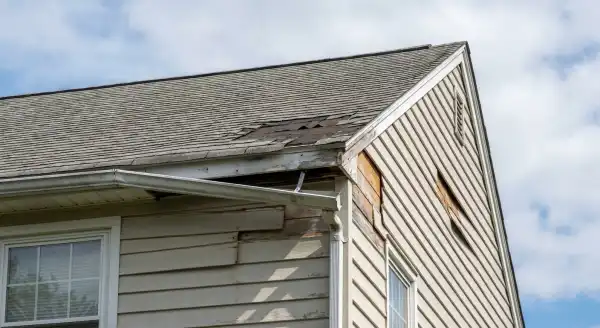
Vinyl, fiber cement, engineered wood, and cedar siding installation and replacement. Storm damage siding repair with insurance coordination. Proper house wrap and insulation installation for improved energy efficiency in Siding homes.
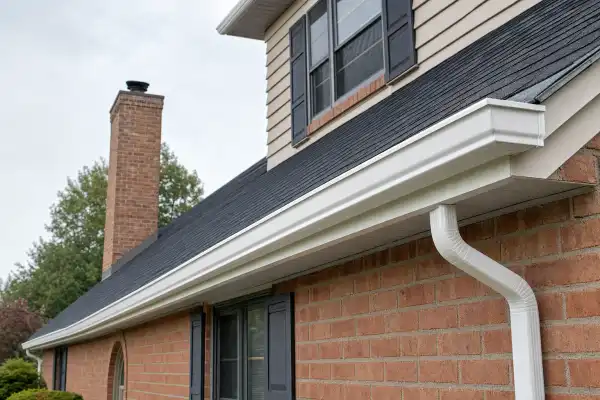
Custom seamless aluminum gutters fabricated on-site to fit your Siding home. Complete gutter systems with downspouts and extensions. Micro-mesh gutter guard installation to reduce maintenance and protect your foundation.
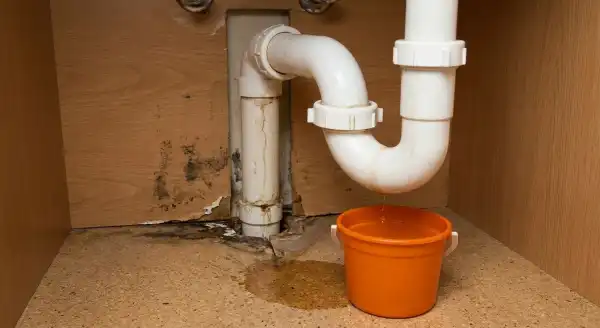
24/7 emergency water extraction, structural drying, and mold prevention. IICRC-certified technicians respond within 1-3 hours of your call in Siding. Full insurance claims documentation and rebuild services.
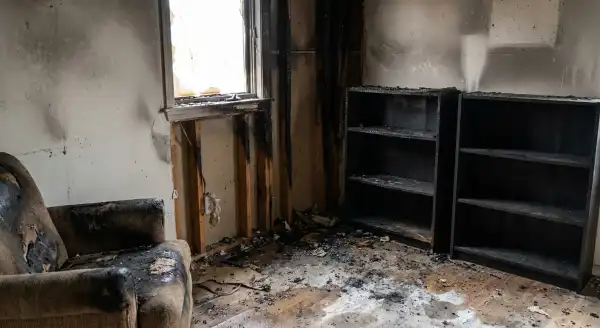
Emergency board-up, smoke and soot cleanup, structural repairs, and complete rebuild after fire in Siding. IICRC-certified team works directly with your insurance company throughout the restoration process.
Emergency tarping and board-up after severe weather, plus complete roof, siding, and structural rebuild. Our Siding storm teams respond 24/7 and manage all insurance claim documentation and adjuster coordination.
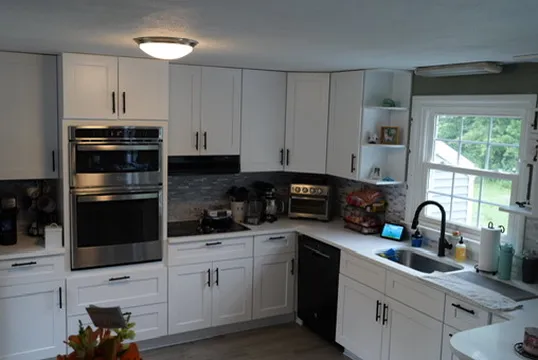
Full-service kitchen renovation including custom cabinets, stone countertops, backsplash, and appliance coordination. Licensed FL contractors managing your Siding kitchen project from design to final inspection.
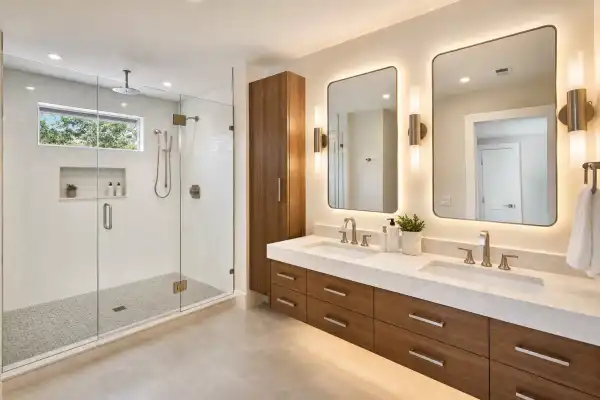
Walk-in shower installations, tub-to-shower conversions, vanity upgrades, and complete bathroom renovations in Siding. All trades in-house: plumbing, electrical, tile, carpentry, and painting.
Why Siding Homeowners Choose Restoration Control
Licensed FL contractor — license numbers available on request and verifiable with the state
IICRC-certified restoration technicians for water, fire, and mold emergencies
Free on-site inspection and written estimate for every project in Siding
Insurance claims coordination with all major carriers
24/7 emergency response for storm, water, and fire damage in Siding
Full in-house crews — no unlicensed subcontractors
Workmanship warranty on all completed projects
What Siding Customers Say
"Restoration Control replaced our roof after a major storm. The whole process was seamless — they handled everything with our insurance company and the roof looks great. Couldn't be happier with the crew they sent out."
"We had water damage from a burst pipe and they were at our house within 2 hours. They dried everything out quickly, documented the damage for our claim, and repaired the ceiling and walls perfectly. Very professional team."
Schedule a Free Inspection in Siding
Call (833) 380-7378 or fill out the form below. We serve Siding and surrounding areas throughout Florida.