Florida roofing is governed by one of the most demanding building codes in the Western Hemisphere. The Florida Building Code (FBC) 8th Edition, updated after the devastation of Hurricane Ian in 2022, imposes wind design pressures calculated from ASCE 7-22 wind speed maps that place most of Central Florida in the 150 mph ultimate design wind speed zone. What this means in practice is that every roof component — from the deck attachment to the ridge cap — must be engineered, tested, and installed to withstand sustained winds that would demolish structures built to code in most other states. Contractors working in the High-Velocity Hurricane Zone (HVHZ), which encompasses Miami-Dade and Broward counties, must use products bearing a separate Miami-Dade NOA (Notice of Acceptance), but even outside the HVHZ the FBC standards far exceed the International Building Code baseline used in 46 other states.
The average cost of a full roof replacement in Central Florida ranges from $9,000 to $18,000 for a standard 2,000 sq ft asphalt shingle roof, with metal roofing systems running $15,000 to $30,000 for the same footprint. These prices reflect Florida-specific requirements that add cost layers not found elsewhere: mandatory peel-and-stick self-adhering underlayment (roughly $0.50-$0.80/sq ft more than felt paper), six-nail shingle fastening patterns instead of the four-nail standard used nationally, hurricane strap or clip verification, and the sealed roof deck requirement that the FBC mandates for new construction and re-roofs in wind-borne debris regions. The national average for a comparable roof replacement is $7,500-$14,000, making Florida 20-30% more expensive — but the enhanced system delivers dramatically better storm performance.
Florida's property insurance market is inseparable from roofing decisions. The state's carrier landscape has been in turmoil since 2020, with Heritage Insurance, Universal Property & Casualty, Citizens Property Insurance (the state insurer of last resort), Security First, and a handful of remaining private carriers imposing increasingly strict roof condition requirements. Most carriers will not write or renew a policy on a home with a roof older than 15-20 years, and several require a roof inspection (the 4-point inspection) before binding coverage. A failing roof inspection can result in non-renewal or a premium surcharge of $2,000-$5,000 annually. Conversely, a new FBC-compliant roof with a completed wind mitigation inspection form (OIR-B1-1802) can reduce annual premiums by 15-45% — often saving $1,500-$4,000 per year, which means the roof effectively pays for itself over its warranty period.
Hurricane season runs from June 1 through November 30, with peak activity between August 15 and October 15. During this window, a compromised roof is not merely an inconvenience — it is a catastrophic liability. A single roof breach during a tropical system can result in $50,000-$200,000 in interior water damage within hours as wind-driven rain saturates insulation, drywall, flooring, and personal property. Our pre-hurricane season inspection program identifies vulnerable areas — lifted shingles, deteriorated flashing, failed sealant at pipe boots, and weakened soffit attachments — and addresses them before the threat window opens. For homeowners who need a full replacement, we prioritize scheduling to complete work before June 1 whenever possible.
Florida's intense UV radiation accelerates roof aging at a rate unmatched in the continental United States. The state receives an average UV index of 8-11 from March through October, with peak readings above 12 during summer months. This relentless solar exposure breaks down the petroleum-based binders in asphalt shingles, causing granule loss, curling, and brittleness years ahead of the manufacturer's rated lifespan. A 30-year architectural shingle installed in Michigan may last 28-32 years; the same product installed in Orlando typically shows significant degradation by year 18-22. Metal roofing with reflective Kynar 500 coatings offers a solution — reflecting up to 70% of solar energy, reducing attic temperatures by 20-25 degrees Fahrenheit, and delivering a functional lifespan of 40-60 years even under Florida's punishing sun. The energy savings alone — $300-$600 annually in reduced cooling costs — make metal an increasingly popular choice for Florida homeowners thinking long-term.
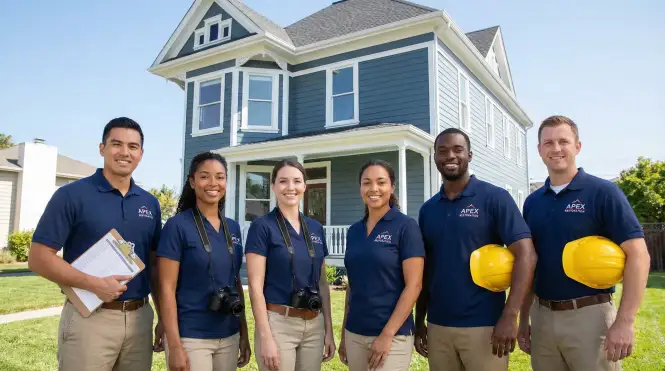
Our Florida Certified Roofing Contractor teams (CCC license holders as required by DBPR) bring specific expertise that out-of-state storm chasers cannot match. We understand the nuances of FBC product approval requirements, the NOA documentation that Miami-Dade and Broward require, the permit process variations between Orange, Seminole, Osceola, and Volusia counties, and the insurance documentation workflow that Florida carriers demand. Every installation includes a completed wind mitigation form, a permit with final inspection sign-off, manufacturer warranty registration, and photo documentation of each code-required detail — from deck attachment nailing patterns to sealed roof deck verification. This documentation package protects your investment, satisfies your insurer, and provides verified proof of code compliance for future home sales.
Why Choose Restoration Control for Roofing in Florida
Florida Certified Roofing Contractor (CCC#) licensed through DBPR — the only license type authorized for roofing work in FL, with verified workers' comp and $300,000+ liability coverage
FBC 8th Edition compliant installations engineered to 150 mph ultimate design wind speed — exceeding minimum code with 6-nail patterns, peel-and-stick underlayment, and sealed deck verification
Free wind mitigation inspection (OIR-B1-1802) filed with your insurer after every roof replacement — documented savings of 15-45% on annual premiums with carriers including Citizens, Heritage, and Universal
Impact-resistant shingle and metal roofing options qualifying for additional FL statute 627.0629 premium credits — Class 4 impact ratings verified by FL Product Approval system
Pre-hurricane season priority scheduling with completion guarantees before June 1 — plus emergency tarping crews pre-positioned 48 hours ahead of named storm landfalls
Thermal imaging roof moisture surveys included at no charge — detecting trapped moisture beneath intact shingle surfaces that visual inspections miss entirely
GAF Master Elite and Owens Corning Platinum Preferred certified — qualifying your FL roof for manufacturer-backed 50-year non-prorated warranties with wind coverage up to 130 mph
Attic ventilation assessment and upgrade included — proper ridge-to-soffit airflow reduces attic temperatures from 150+ degrees to within 10-15 degrees of ambient, extending shingle life and reducing A/C costs by 10-15%
Roofing Challenges in Florida
Every state has unique conditions that affect roofing. Here's what Florida homeowners face and how we address it.
FBC Wind Uplift and Sealed Deck Requirements
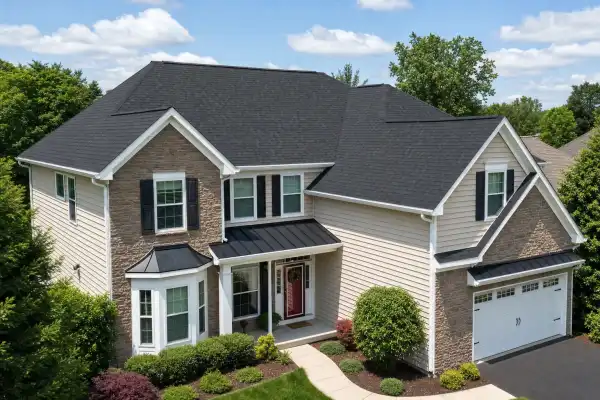
The Florida Building Code requires roof systems to resist calculated wind uplift pressures based on building height, exposure category, and location within the state's wind speed map. For most Central Florida homes, this means design wind speeds of 150 mph with specific tested assemblies. The sealed roof deck requirement — mandatory in wind-borne debris regions — adds a layer of peel-and-stick underlayment or secondary water barrier that prevents interior water intrusion even if shingles are stripped by hurricane winds. Our installations exceed these minimums by using full peel-and-stick underlayment on every project, not just in mandatory zones.
UV-Accelerated Shingle Degradation
Florida's UV index exceeds 10 for over 200 days per year, breaking down asphalt binder compounds and causing premature granule loss, thermal cracking, and shingle curl. South- and west-facing roof planes degrade 25-30% faster than north-facing slopes on the same structure. We recommend SBS-modified (rubberized) asphalt shingles or standing seam metal with Kynar 500 reflective coatings for maximum UV resistance. Color selection also matters — lighter shingle colors reflect more solar energy and experience less thermal stress cycling, extending service life by 3-5 years in Florida conditions.
Insurance Market Pressure on Roof Age
Florida carriers including Citizens Property Insurance, Heritage, Universal, American Integrity, and Security First now enforce strict roof age thresholds — typically 15-20 years for shingle roofs and 25-30 years for tile or metal. Homes exceeding these thresholds face non-renewal, ACV (actual cash value) depreciation on claims instead of RCV (replacement cost), or premium surcharges of $2,000-$5,000 annually. A new FBC-compliant roof with a filed wind mitigation form is often the single most impactful financial decision a Florida homeowner can make for long-term insurance cost management.
Permit and Inspection Requirements by County
Florida requires building permits for all roof replacements, and the process varies significantly by county. Orange County requires a pre-inspection of the existing roof before permit issuance, Seminole County accepts contractor-submitted scope documentation, Osceola County has specific tie-down requirements in manufactured housing zones, and Volusia County enforces additional coastal construction control line restrictions. We handle the full permit lifecycle — application, fee payment, inspection scheduling, and final sign-off — for every Florida county we serve.
Moisture and Algae Growth on Roof Surfaces
Florida's 74% average humidity and warm temperatures create ideal conditions for Gloeocapsa magma (blue-green algae) that causes black streaking on asphalt shingles. Beyond aesthetics, algae growth retains moisture against the shingle surface, accelerating granule loss and reducing reflectivity — increasing cooling costs. We install algae-resistant shingles containing copper granules that prevent colonization for the warranty period, and offer zinc strip installations on existing roofs as a preventive measure.
Roofing in 7 Florida Cities
Click your city for local roofing details, scheduling, and pricing.
Roofing, Siding, Gutters & Remodeling in Roofing, FL
Restoration Control serves Roofing, Florida with professional roofing, siding, seamless gutter installation, kitchen remodeling, bathroom remodeling, and 24/7 emergency restoration services. Our Roofing-area crews are licensed FL contractors who carry full general liability and workers compensation insurance, hold active state contractor licenses, and bring IICRC certifications to every restoration project. We provide free on-site inspections and written estimates at no charge or obligation to homeowners and commercial property owners throughout Roofing and surrounding communities.
Restoration Control has completed roofing, siding, and remodeling projects in Roofing neighborhoods and understands the local building codes, permit requirements, and common weather-related damage patterns in this area. When your project involves an insurance claim — whether from storm damage, water intrusion, fire, or hail — our team documents all damage, prepares detailed estimates in the format your carrier requires, and coordinates directly with your adjuster to ensure a fair settlement. Call (833) 380-7378 to schedule your free Roofing inspection.
Residential and commercial roofing including storm damage repairs, full roof replacements, emergency tarping, and new construction roofing. Architectural shingles, metal roofing, tile, and flat systems available with manufacturer warranties. Free inspection and insurance claims assistance in Roofing.
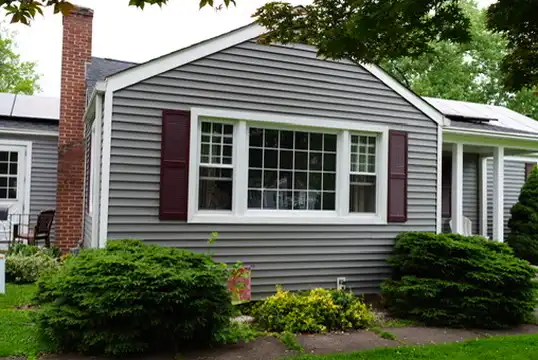
Vinyl, fiber cement, engineered wood, and cedar siding installation and replacement. Storm damage siding repair with insurance coordination. Proper house wrap and insulation installation for improved energy efficiency in Roofing homes.
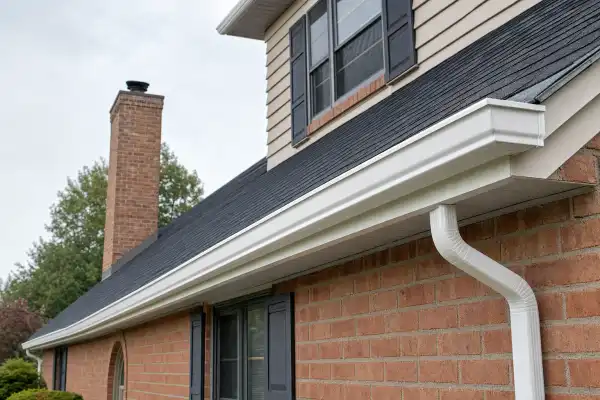
Custom seamless aluminum gutters fabricated on-site to fit your Roofing home. Complete gutter systems with downspouts and extensions. Micro-mesh gutter guard installation to reduce maintenance and protect your foundation.
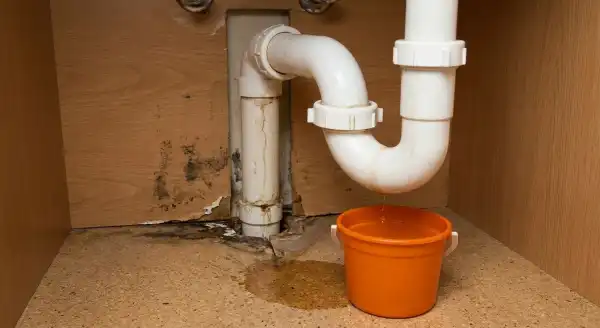
24/7 emergency water extraction, structural drying, and mold prevention. IICRC-certified technicians respond within 1-3 hours of your call in Roofing. Full insurance claims documentation and rebuild services.
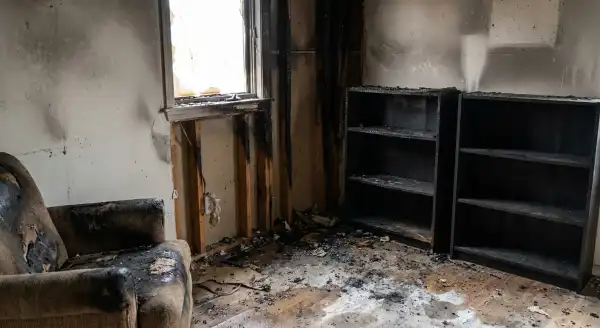
Emergency board-up, smoke and soot cleanup, structural repairs, and complete rebuild after fire in Roofing. IICRC-certified team works directly with your insurance company throughout the restoration process.
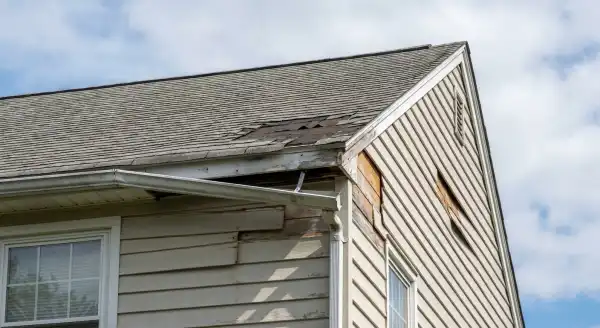
Emergency tarping and board-up after severe weather, plus complete roof, siding, and structural rebuild. Our Roofing storm teams respond 24/7 and manage all insurance claim documentation and adjuster coordination.
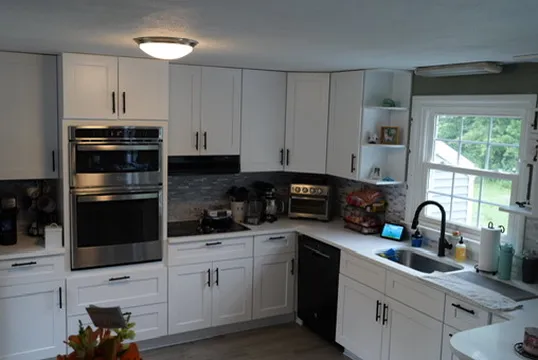
Full-service kitchen renovation including custom cabinets, stone countertops, backsplash, and appliance coordination. Licensed FL contractors managing your Roofing kitchen project from design to final inspection.
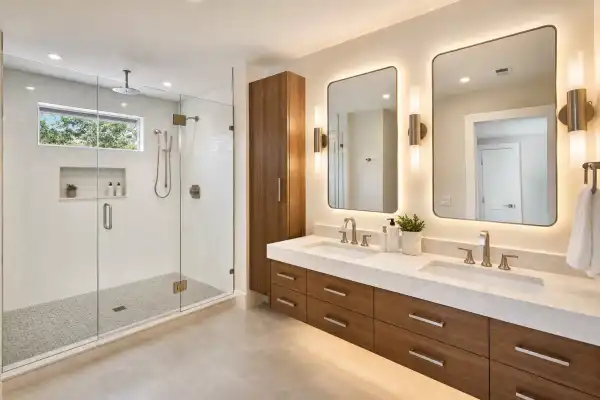
Walk-in shower installations, tub-to-shower conversions, vanity upgrades, and complete bathroom renovations in Roofing. All trades in-house: plumbing, electrical, tile, carpentry, and painting.
Why Roofing Homeowners Choose Restoration Control
Licensed FL contractor — license numbers available on request and verifiable with the state
IICRC-certified restoration technicians for water, fire, and mold emergencies
Free on-site inspection and written estimate for every project in Roofing
Insurance claims coordination with all major carriers
24/7 emergency response for storm, water, and fire damage in Roofing
Full in-house crews — no unlicensed subcontractors
Workmanship warranty on all completed projects
What Roofing Customers Say
"Restoration Control replaced our roof after a major storm. The whole process was seamless — they handled everything with our insurance company and the roof looks great. Couldn't be happier with the crew they sent out."
"We had water damage from a burst pipe and they were at our house within 2 hours. They dried everything out quickly, documented the damage for our claim, and repaired the ceiling and walls perfectly. Very professional team."
Schedule a Free Inspection in Roofing
Call (833) 380-7378 or fill out the form below. We serve Roofing and surrounding areas throughout Florida.