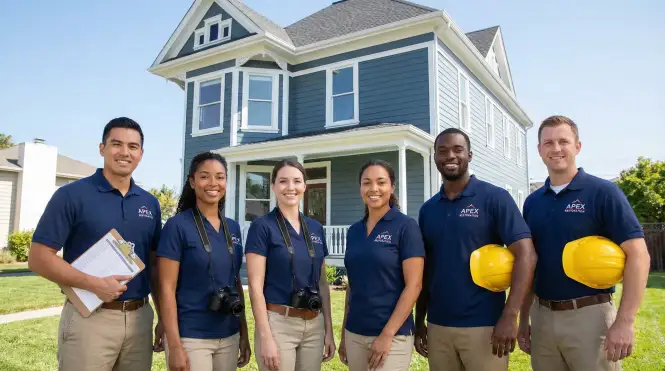
New Jersey's siding market reflects the state's extraordinary housing diversity — from Victorian-era wood clapboard homes in Cape May's historic district to post-war aluminum-sided ranches across Bergen and Passaic counties, to modern fiber cement installations on new construction in Central Jersey's growing suburbs. Each material and era carries distinct challenges that generic siding contractors often overlook. The state's climate compounds these challenges: NJ averages 47 inches of rain, 25-40 inches of snow (more in the northwest highlands), and 80%+ summer humidity that traps moisture behind improperly flashed siding systems.
Under the New Jersey Uniform Construction Code (N.J.A.C. 5:23), a UCC permit is required for full re-siding projects in most municipalities. The scope triggering permit requirements varies by local construction official interpretation, but generally any project that involves replacing sheathing, altering the wall plane, or installing a new cladding system over structural changes requires a building subcode permit. Simple like-for-like vinyl panel replacements on a few sections may fall under maintenance in some towns, but we recommend pulling permits regardless — it protects homeowners during resale and ensures the installation meets current energy code requirements (NJ adopted the 2018 IECC, which mandates continuous insulation or specific R-value wall assemblies in climate zones 4A and 5A covering the entire state).
NJHIC registration is mandatory for all siding contractors working in New Jersey. The Division of Consumer Affairs actively investigates unlicensed home improvement activity, and violations carry criminal penalties under the Consumer Fraud Act. Our NJHIC registration, general liability policy ($500,000+), and workers' compensation coverage are all current and verifiable. We are also a James Hardie Elite Preferred contractor and LP SmartSide certified installer, which provides homeowners with manufacturer-backed labor and material warranties that are only available through trained, authorized installers.
Siding replacement costs in New Jersey range from $8,000 to $18,000 for vinyl on a typical 1,500-square-foot home exterior, $15,000 to $30,000 for James Hardie fiber cement, and $20,000 to $40,000 for engineered wood products like LP SmartSide or natural cedar. These figures are 12-20% above national averages, driven by NJ's prevailing wage-influenced labor market, complex permitting requirements, and the frequency of multi-layer tear-offs on older homes. Shore installations add another 10-15% for salt-rated materials, stainless steel trim nails, and enhanced moisture management detailing behind the cladding.
For pre-1978 homes — which comprise the majority of NJ's housing stock — the EPA RRP Rule and NJ's own lead-safe regulations (N.J.A.C. 8:51) require lead testing of existing painted surfaces before any siding removal. Disturbing lead paint without proper containment exposes families to serious health risks and contractors to federal fines of $37,500 per day per violation. Our crews are EPA Lead-Safe Certified and follow NJ-specific protocols including occupant notification, work-area containment, HEPA-filtered cleanup, and third-party clearance testing. We include lead testing costs in every pre-1978 project estimate so there are no surprises.
NJ's insurance coverage for siding damage is typically limited to sudden events — wind, hail, falling trees — and excludes gradual deterioration, fading, and moisture damage from deferred maintenance. Carriers like NJM, Plymouth Rock, and Selective process siding claims using Xactimate estimates, and we provide the line-item documentation these adjusters require. For Shore-area siding damage from named storms, separate windstorm deductibles of 2-5% may apply, and we walk homeowners through their specific policy limits before signing any contract.
Why Choose Restoration Control for Siding in New Jersey
NJHIC-registered with full liability and workers' comp coverage — mandatory under NJ Consumer Fraud Act for all siding work
James Hardie Elite Preferred and LP SmartSide certified installer — manufacturer-backed labor + material warranties exclusive to authorized contractors
UCC permit handling across all NJ municipalities we serve — including plan review, energy code compliance documentation, and final inspection coordination
EPA Lead-Safe Certified for pre-1978 homes — full lead testing, containment, and clearance per NJ's strict N.J.A.C. 8:51 standards
Shore-rated installations using stainless steel fasteners, salt-resistant trim, and enhanced moisture barriers for Monmouth and Ocean County coastal homes
Insulated siding options (R-value 2.0-5.0) that meet NJ's 2018 IECC energy code requirements and reduce heating costs by up to 20%
Complete multi-layer tear-off service — we strip to sheathing, inspect and replace rotted OSB or plywood, install housewrap, and ensure a clean substrate before new siding
Color consultation with 200+ color options and digital rendering previews so NJ homeowners see the finished look before committing
Siding Challenges in New Jersey
Every state has unique conditions that affect siding. Here's what New Jersey homeowners face and how we address it.
Multi-Layer Tear-Off on Older Homes
Thousands of NJ homes built in the 1940s-1970s carry 2-4 layers of siding stacked over original wood clapboard — aluminum over wood, vinyl over aluminum, sometimes all three. Each layer traps moisture against the layer beneath, causing hidden rot in structural sheathing that is invisible from the exterior. Our process mandates full strip-to-sheathing on every re-siding project, with complete inspection and repair of damaged OSB, plywood, or board sheathing before new housewrap and siding installation. This adds 1-2 days to the project but prevents the warranty-voiding moisture problems that surface 2-3 years after a siding-over job.
Salt Air Degradation on the Shore
Coastal NJ homes from Sandy Hook through Long Beach Island to Cape May face accelerated siding failure from salt-laden air. Vinyl siding fades and becomes brittle 30-40% faster in Shore zones versus inland locations, aluminum oxidizes and pits within 8-10 years, and wood clapboard requires repainting every 3-4 years instead of the typical 7-10 year cycle. We recommend James Hardie fiber cement with ColorPlus factory-applied finish for all Shore installations — it is impervious to salt corrosion, moisture absorption, and UV degradation, and carries a 15-year fade-resistant color warranty.
Historic District and HOA Restrictions
New Jersey has over 60 registered historic districts and hundreds of HOA-governed communities with strict architectural review requirements for exterior modifications. Cape May's entire historic district mandates wood clapboard or approved wood-appearance alternatives. Many Bergen County HOAs restrict siding colors and materials to pre-approved palettes. We handle all architectural review submissions, attend HOA board meetings when required, and source materials that satisfy both aesthetic requirements and modern performance standards — including fiber cement profiles that replicate historic wood clapboard dimensions.
Energy Code Compliance Under IECC 2018
New Jersey's adoption of the 2018 International Energy Conservation Code requires wall assemblies in climate zones 4A and 5A (covering the entire state) to meet specific thermal performance standards. Full re-siding projects that involve sheathing replacement trigger energy code compliance reviews. Insulated siding products with built-in R-value (R-2.0 to R-5.0) help meet these requirements without the cost and complexity of adding continuous exterior insulation. We calculate the energy code impact of every re-siding project and recommend the most cost-effective compliance path for each home's specific wall assembly.
Siding in 6 New Jersey Cities
Click your city for local siding details, scheduling, and pricing.
Roofing, Siding, Gutters & Remodeling in Siding, NJ
Restoration Control serves Siding, New Jersey with professional roofing, siding, seamless gutter installation, kitchen remodeling, bathroom remodeling, and 24/7 emergency restoration services. Our Siding-area crews are licensed NJ contractors who carry full general liability and workers compensation insurance, hold active state contractor licenses, and bring IICRC certifications to every restoration project. We provide free on-site inspections and written estimates at no charge or obligation to homeowners and commercial property owners throughout Siding and surrounding communities.
Restoration Control has completed roofing, siding, and remodeling projects in Siding neighborhoods and understands the local building codes, permit requirements, and common weather-related damage patterns in this area. When your project involves an insurance claim — whether from storm damage, water intrusion, fire, or hail — our team documents all damage, prepares detailed estimates in the format your carrier requires, and coordinates directly with your adjuster to ensure a fair settlement. Call (833) 380-7378 to schedule your free Siding inspection.
Residential and commercial roofing including storm damage repairs, full roof replacements, emergency tarping, and new construction roofing. Architectural shingles, metal roofing, tile, and flat systems available with manufacturer warranties. Free inspection and insurance claims assistance in Siding.
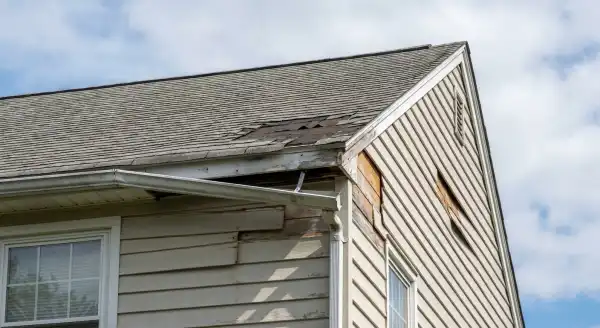
Vinyl, fiber cement, engineered wood, and cedar siding installation and replacement. Storm damage siding repair with insurance coordination. Proper house wrap and insulation installation for improved energy efficiency in Siding homes.
Custom seamless aluminum gutters fabricated on-site to fit your Siding home. Complete gutter systems with downspouts and extensions. Micro-mesh gutter guard installation to reduce maintenance and protect your foundation.
24/7 emergency water extraction, structural drying, and mold prevention. IICRC-certified technicians respond within 1-3 hours of your call in Siding. Full insurance claims documentation and rebuild services.
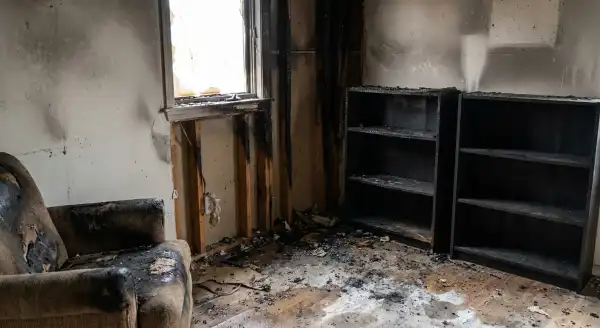
Emergency board-up, smoke and soot cleanup, structural repairs, and complete rebuild after fire in Siding. IICRC-certified team works directly with your insurance company throughout the restoration process.
Emergency tarping and board-up after severe weather, plus complete roof, siding, and structural rebuild. Our Siding storm teams respond 24/7 and manage all insurance claim documentation and adjuster coordination.
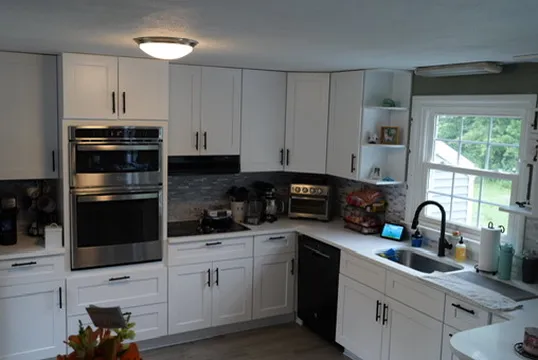
Full-service kitchen renovation including custom cabinets, stone countertops, backsplash, and appliance coordination. Licensed NJ contractors managing your Siding kitchen project from design to final inspection.
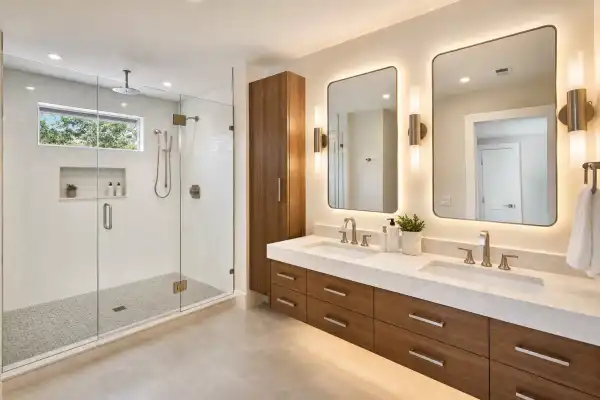
Walk-in shower installations, tub-to-shower conversions, vanity upgrades, and complete bathroom renovations in Siding. All trades in-house: plumbing, electrical, tile, carpentry, and painting.
Why Siding Homeowners Choose Restoration Control
Licensed NJ contractor — license numbers available on request and verifiable with the state
IICRC-certified restoration technicians for water, fire, and mold emergencies
Free on-site inspection and written estimate for every project in Siding
Insurance claims coordination with all major carriers
24/7 emergency response for storm, water, and fire damage in Siding
Full in-house crews — no unlicensed subcontractors
Workmanship warranty on all completed projects
What Siding Customers Say
"Restoration Control replaced our roof after a major storm. The whole process was seamless — they handled everything with our insurance company and the roof looks great. Couldn't be happier with the crew they sent out."
"We had water damage from a burst pipe and they were at our house within 2 hours. They dried everything out quickly, documented the damage for our claim, and repaired the ceiling and walls perfectly. Very professional team."
Schedule a Free Inspection in Siding
Call (833) 380-7378 or fill out the form below. We serve Siding and surrounding areas throughout New Jersey.