Professional Fire Damage Restoration Across New Jersey
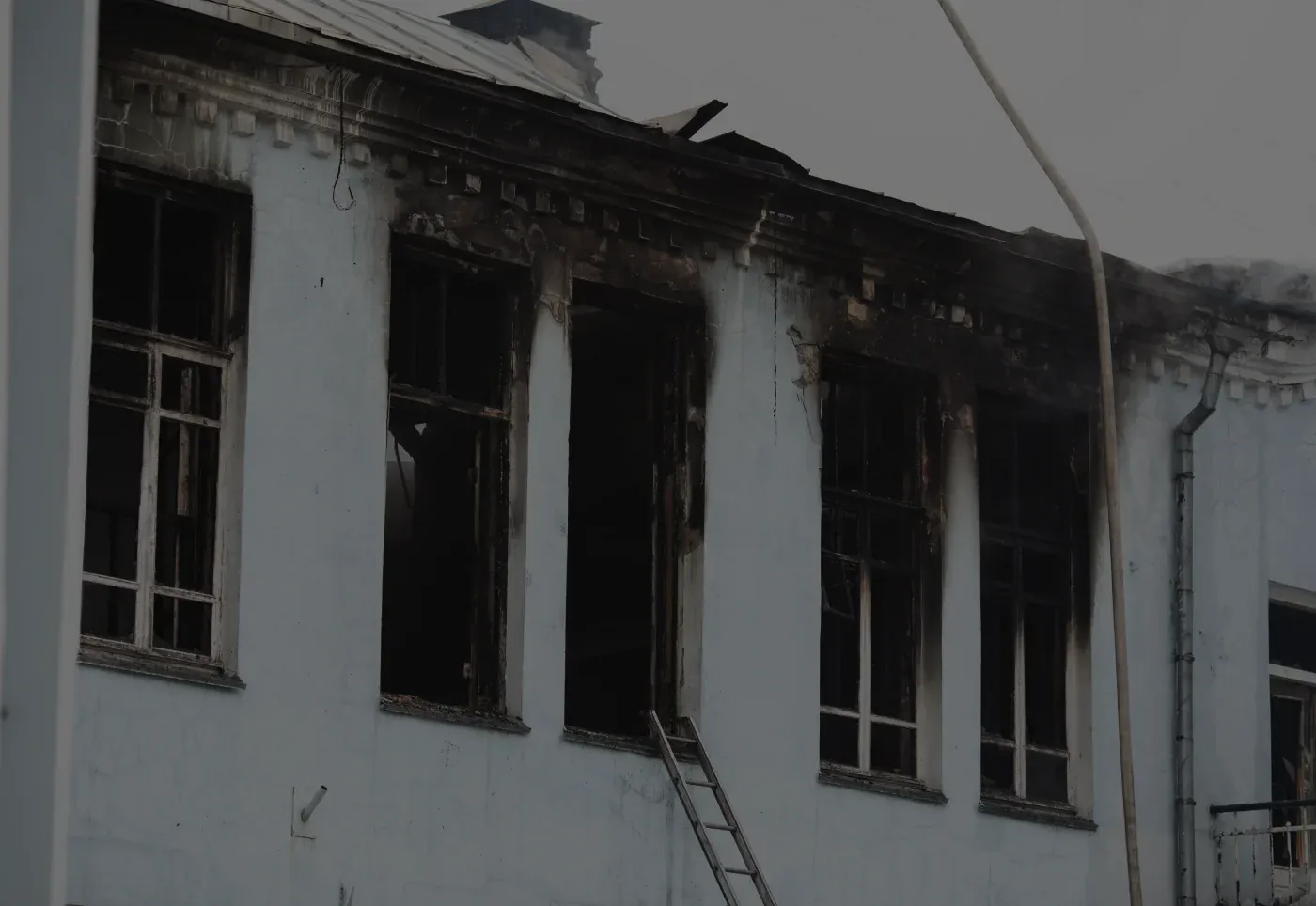
New Jersey averages over 10,000 residential structure fires annually according to the NJ Division of Fire Safety, with heating equipment, cooking incidents, and electrical failures as the leading causes. The state's dense housing patterns — particularly the multi-family dwellings and closely spaced single-family homes in cities like Newark, Elizabeth, Paterson, and Jersey City — mean that even a single-home fire frequently damages neighboring structures through radiant heat exposure, smoke infiltration, and fire-suppression water runoff. NJ's older housing stock compounds the problem: pre-1970 wiring (often aluminum or knob-and-tube), ungrounded outlets, and outdated fuse panels are significant fire risk factors in the state's aging communities.
Fire damage restoration in New Jersey involves a complex regulatory framework. The NJ Uniform Construction Code (N.J.A.C. 5:23) requires UCC permits for all fire damage structural repairs, with inspections covering framing, electrical, plumbing, HVAC, insulation, and final occupancy. The local fire marshal must provide a release before restoration work can begin — confirming the structure is safe to enter and that the fire investigation is complete. If asbestos-containing materials are suspected (common in NJ homes built before 1980), a licensed NJ asbestos inspector (N.J.A.C. 12:120) must test before any demolition. For pre-1978 homes, EPA RRP lead-safe certification is required for disturbing painted surfaces. Our teams are credentialed to navigate every layer of NJ's restoration regulatory environment.
The NJHIC registration requirement applies to all fire damage restoration contractors performing home improvement work in the state. Some out-of-state disaster restoration companies dispatched after major fire events operate without NJHIC registration, exposing homeowners to fraud risk and voiding their consumer protections under the NJ Consumer Fraud Act. Our NJHIC registration, general liability, and workers' compensation coverage are current and verifiable, and we carry the additional pollution liability coverage that NJ insurers increasingly require for fire damage projects involving smoke, soot, and chemical contamination cleanup.
Fire damage insurance claims in New Jersey are among the most complex and highest-value residential claims. Standard NJ homeowner policies cover fire damage to the structure (Coverage A), personal property (Coverage B), and additional living expenses (Coverage D) while the home is uninhabitable. However, the claims process involves extensive documentation — structural engineering assessments, contents inventories, smoke damage testing, and code upgrade calculations under the Ordinance or Law coverage endorsement. NJ carriers like NJM, Plymouth Rock, and Selective use Xactimate for structural estimates, but contents claims are often settled separately using ACV (Actual Cash Value) depreciation schedules that can dramatically reduce payouts on older items. Our project managers handle the full claims documentation process, including contents inventorying with Xactware Contents Collaboration pricing.
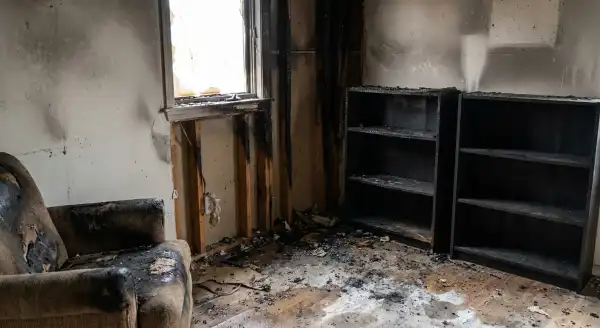
Smoke and soot contamination from NJ house fires extends far beyond the fire-damaged rooms. Synthetic materials in modern furnishings — polyurethane foam, PVC, nylon carpet — produce complex chemical compounds when burned, including hydrochloric acid residue (from PVC), cyanide compounds (from nylon), and carbon-chain polymers that embed in porous surfaces. This contamination migrates through HVAC ductwork and penetrates every room of the home, even those untouched by flames. Our IICRC-certified Fire and Smoke Restoration Technicians (FSRT) use hydroxyl generators, thermal fogging, and ozone treatments to neutralize odor-causing compounds, combined with detailed air quality testing to verify the home meets safe re-occupancy standards.
The restoration timeline for a typical NJ house fire ranges from 3-6 months for a kitchen fire affecting 1-2 rooms to 8-14 months for a major structural fire requiring significant rebuilding. NJ's UCC permitting process adds 2-4 weeks for plan review, and the competitive labor market in the NJ metro area (influenced by prevailing wage rates in surrounding public projects) can extend timelines during peak construction seasons. We provide NJ homeowners with detailed Gantt-chart project timelines at contract signing, update them weekly, and coordinate all subcontractor scheduling through a single project manager — so families displaced by fire know exactly when they can return home.
Why Choose Restoration Control for Fire Damage Restoration in New Jersey
24/7 emergency board-up and tarping within 2-4 hours — secures your NJ home against weather, vandalism, and animal intrusion immediately after fire
IICRC Fire and Smoke Restoration Technician (FSRT) certified crews — the credential NJ insurance adjusters verify on every fire damage claim
NJHIC-registered with pollution liability coverage — required for fire/smoke/soot cleanup involving chemical contamination from synthetic materials
Full UCC permit management for fire damage structural repairs — plan review, inspections, and Certificate of Occupancy coordination across NJ municipalities
EPA RRP and NJ asbestos-aware protocols for pre-1978/pre-1980 homes — lead and asbestos testing before any demolition proceeds
Xactimate structural estimates + Xactware Contents Collaboration pricing — the documentation format NJ carriers require for fire claims processing
Advanced smoke/soot neutralization using hydroxyl generators, thermal fogging, and ozone — with post-treatment air quality verification testing
Single project manager from emergency response through final reconstruction — weekly timeline updates and all subcontractor coordination handled for NJ homeowners
Fire Damage Restoration Challenges in New Jersey
Every state has unique conditions that affect fire damage restoration. Here's what New Jersey homeowners face and how we address it.
Multi-Regulatory Compliance
NJ fire damage restoration involves overlapping regulatory requirements: fire marshal release before entry, UCC permits for structural repairs, NJ asbestos inspection for pre-1980 materials, EPA RRP certification for pre-1978 lead paint, NJ mold assessment if water damage from fire suppression has caused contamination, and NJHIC registration for all home improvement work. Missing any single requirement can result in work stoppages, fines, or insurance claim complications. Our project managers maintain a compliance checklist for every NJ fire restoration project, coordinating with local fire marshals, building departments, environmental inspectors, and insurance adjusters simultaneously.
Smoke Migration Through HVAC Systems
Modern NJ homes have forced-air HVAC systems that spread smoke, soot, and toxic combustion byproducts throughout the entire structure — even into rooms on different floors that sustained no direct fire damage. PVC combustion produces hydrochloric acid residue that corrodes copper wiring, electronics, and metal surfaces throughout the home. Our restoration protocol includes full HVAC duct cleaning, coil decontamination, filter replacement, and air quality testing in every room before clearance. In severe cases, we replace ductwork sections that cannot be adequately decontaminated.
Insurance Claims Complexity and Depreciation
NJ fire insurance claims involve separate structural (Coverage A), contents (Coverage B), and additional living expenses (Coverage D) components. Structural repairs are estimated using Xactimate, but contents claims use depreciation schedules that can reduce payouts by 50-70% on items more than 5 years old. NJ's Ordinance or Law endorsement covers the cost of bringing fire-damaged areas up to current UCC code during rebuild — but many NJ homeowners carry insufficient limits on this endorsement. We audit coverage limits before beginning work and file supplements when initial estimates undervalue scope.
Displaced Family Coordination
NJ families displaced by house fires face immediate and stressful logistical challenges — finding temporary housing in one of the country's most expensive housing markets, maintaining school enrollment for children, and managing insurance paperwork while dealing with emotional trauma. Additional Living Expense (ALE) coverage under NJ policies typically covers 12-24 months of temporary housing, but coverage limits vary and NJ rental markets in Bergen, Essex, and Monmouth counties have extremely low vacancy rates. We connect displaced NJ families with housing resources, provide weekly project updates with specific return-home dates, and coordinate directly with insurers on ALE documentation.
Code Upgrade Requirements During Rebuild
When fire damage requires substantial reconstruction, NJ's UCC mandates that repaired areas meet current building code — not the code that was in effect when the home was originally built. For older NJ homes, this can mean upgrading electrical panels from 100 to 200 amps, adding GFCI/AFCI protection throughout, bringing insulation to current IECC energy code levels, installing hard-wired smoke and CO detectors per NJ's strict detector laws (N.J.A.C. 5:70-2), and ensuring egress window compliance in bedrooms. These code upgrades add $10,000-$30,000 to rebuild costs and are only covered if the homeowner carries adequate Ordinance or Law endorsement limits.
Fire Damage Restoration in 6 New Jersey Cities
Click your city for local fire damage restoration details, scheduling, and pricing.
Roofing, Siding, Gutters & Remodeling in Fire Damage Restoration, NJ
Restoration Control serves Fire Damage Restoration, New Jersey with professional roofing, siding, seamless gutter installation, kitchen remodeling, bathroom remodeling, and 24/7 emergency restoration services. Our Fire Damage Restoration-area crews are licensed NJ contractors who carry full general liability and workers compensation insurance, hold active state contractor licenses, and bring IICRC certifications to every restoration project. We provide free on-site inspections and written estimates at no charge or obligation to homeowners and commercial property owners throughout Fire Damage Restoration and surrounding communities.
Restoration Control has completed roofing, siding, and remodeling projects in Fire Damage Restoration neighborhoods and understands the local building codes, permit requirements, and common weather-related damage patterns in this area. When your project involves an insurance claim — whether from storm damage, water intrusion, fire, or hail — our team documents all damage, prepares detailed estimates in the format your carrier requires, and coordinates directly with your adjuster to ensure a fair settlement. Call (833) 380-7378 to schedule your free Fire Damage Restoration inspection.
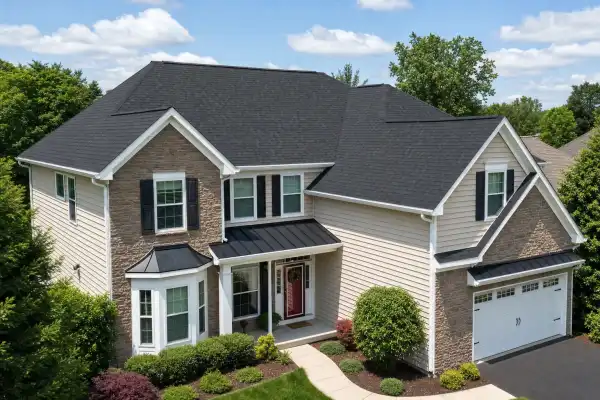
Residential and commercial roofing including storm damage repairs, full roof replacements, emergency tarping, and new construction roofing. Architectural shingles, metal roofing, tile, and flat systems available with manufacturer warranties. Free inspection and insurance claims assistance in Fire Damage Restoration.
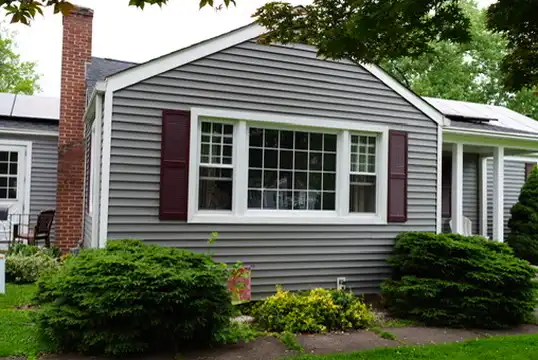
Vinyl, fiber cement, engineered wood, and cedar siding installation and replacement. Storm damage siding repair with insurance coordination. Proper house wrap and insulation installation for improved energy efficiency in Fire Damage Restoration homes.
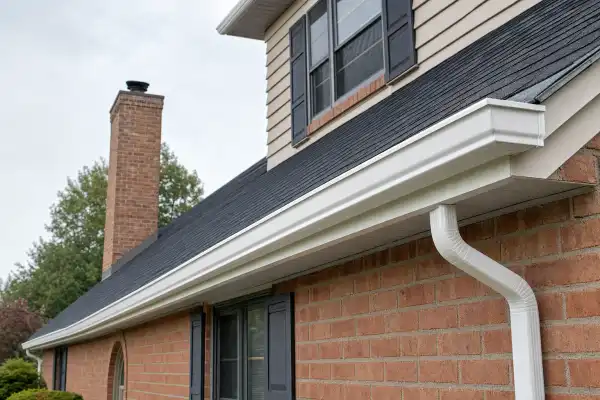
Custom seamless aluminum gutters fabricated on-site to fit your Fire Damage Restoration home. Complete gutter systems with downspouts and extensions. Micro-mesh gutter guard installation to reduce maintenance and protect your foundation.
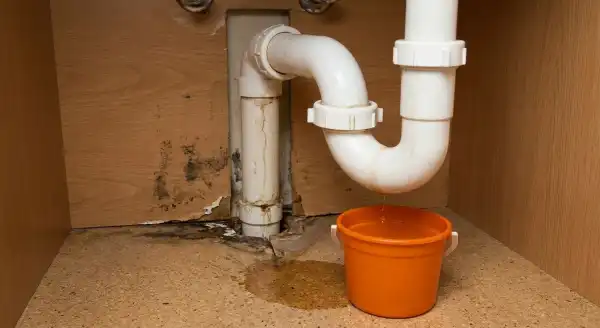
24/7 emergency water extraction, structural drying, and mold prevention. IICRC-certified technicians respond within 1-3 hours of your call in Fire Damage Restoration. Full insurance claims documentation and rebuild services.
Emergency board-up, smoke and soot cleanup, structural repairs, and complete rebuild after fire in Fire Damage Restoration. IICRC-certified team works directly with your insurance company throughout the restoration process.
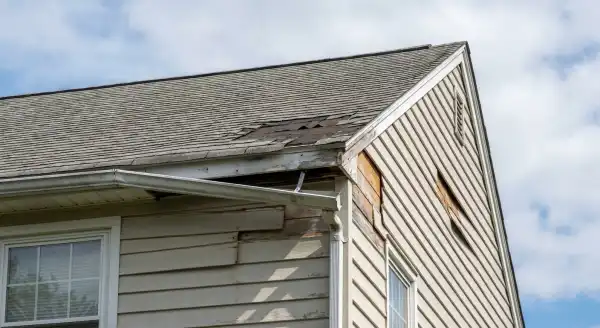
Emergency tarping and board-up after severe weather, plus complete roof, siding, and structural rebuild. Our Fire Damage Restoration storm teams respond 24/7 and manage all insurance claim documentation and adjuster coordination.
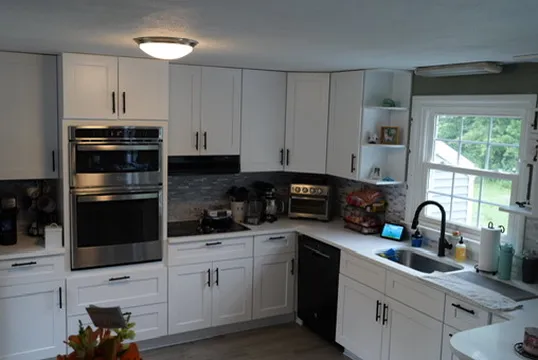
Full-service kitchen renovation including custom cabinets, stone countertops, backsplash, and appliance coordination. Licensed NJ contractors managing your Fire Damage Restoration kitchen project from design to final inspection.
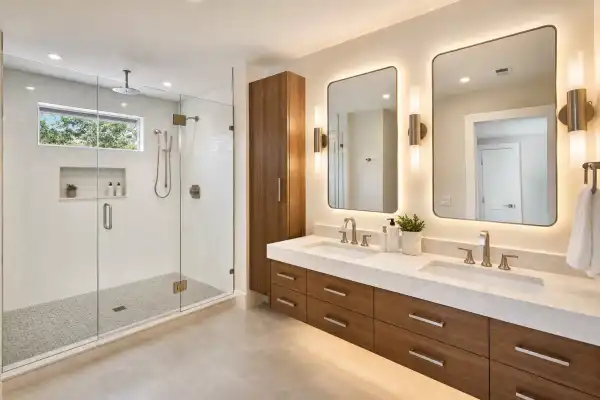
Walk-in shower installations, tub-to-shower conversions, vanity upgrades, and complete bathroom renovations in Fire Damage Restoration. All trades in-house: plumbing, electrical, tile, carpentry, and painting.
Why Fire Damage Restoration Homeowners Choose Restoration Control
Licensed NJ contractor — license numbers available on request and verifiable with the state
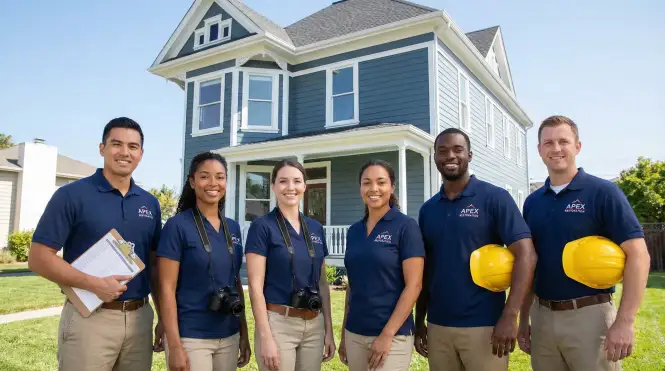
IICRC-certified restoration technicians for water, fire, and mold emergencies
Free on-site inspection and written estimate for every project in Fire Damage Restoration
Insurance claims coordination with all major carriers
24/7 emergency response for storm, water, and fire damage in Fire Damage Restoration
Full in-house crews — no unlicensed subcontractors
Workmanship warranty on all completed projects
What Fire Damage Restoration Customers Say
"Restoration Control replaced our roof after a major storm. The whole process was seamless — they handled everything with our insurance company and the roof looks great. Couldn't be happier with the crew they sent out."
"We had water damage from a burst pipe and they were at our house within 2 hours. They dried everything out quickly, documented the damage for our claim, and repaired the ceiling and walls perfectly. Very professional team."
Schedule a Free Inspection in Fire Damage Restoration
Call (833) 380-7378 or fill out the form below. We serve Fire Damage Restoration and surrounding areas throughout New Jersey.