Professional Water Damage Services — Licensed CT Contractor
Water Damage Restoration in West Haven
Water damage in West Haven carries Sandy's permanent imprint — the 2012 storm surge that flooded the entire beach district from Savin Rock through the West Shore remains the defining water damage event in the city's history, pushing contaminated Long Island Sound water into hundreds of homes and destroying everything it contacted below the surge line. That event permanently changed how West Haven thinks about water damage risk, and many beach properties were subsequently elevated, fitted with flood vents, or rebuilt with flood-resistant materials below the base flood elevation. Beyond the coastal flooding threat, West Haven faces the full range of Connecticut water damage sources: pipe failures in aging plumbing that serves thousands of post-war homes simultaneously reaching failure age, ice dam intrusion during winter in Allingtown's under-insulated housing, basement water intrusion from high water tables on the flat coastal plain during prolonged wet seasons, and sewer backup during heavy rain events that overwhelm older neighborhood connections. Rapid deployment to West Haven — typically under one hour — is essential for limiting water damage scope. Salt is hygroscopic: it absorbs atmospheric moisture continuously, meaning materials that appear dry after salt-water flooding will re-wet from humidity and develop mold unless the salt residue is physically removed through cleaning before final drying.
“After a burst pipe flooded our basement during a January freeze, Restoration Control arrived within an hour. Their team was professional, thorough, and kept us informed every step of the way. They handled our insurance claim and had our home restored in under two weeks. We could not have asked for a better experience.”
Robert & Linda M.
Hartford, CT
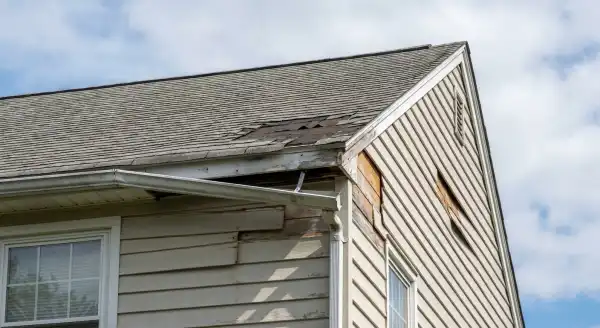
“A nor'easter ripped shingles off our Shippan Point home and water was pouring into the attic. Restoration Control had a crew on our roof the next morning, tarped the damage, and completed a full replacement within the week. Their knowledge of coastal roofing materials made all the difference.”
Jennifer S.
Stamford, CT
“We hired Restoration Control to replace the original siding on our 1920s Colonial in East Rock. They matched the historic character perfectly while upgrading to fiber cement that will actually withstand Connecticut winters. The craftsmanship is outstanding and the crew was respectful of our neighborhood.”
David & Maria T.
New Haven, CT
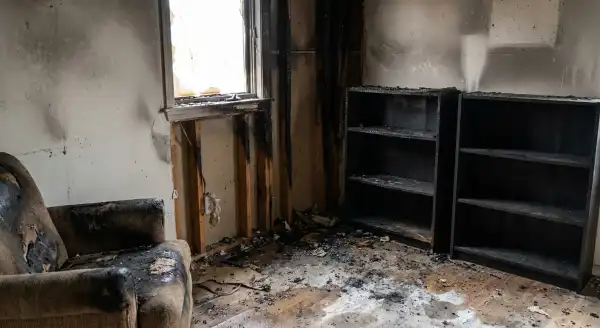
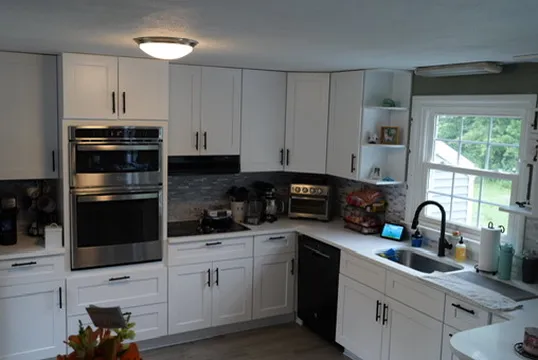
“After a kitchen fire, we were devastated. Restoration Control not only restored our home but helped us navigate the insurance process from start to finish. Their fire damage team removed all smoke odor and rebuilt our kitchen better than before. True professionals who treated us like family.”
Thomas K.
Bridgeport, CT
Frequently Asked Questions
Need Water Damage in West Haven?
Call now for a free estimate. Our West Haven team responds within 60–90 minutes, 24 hours a day, 7 days a week.
Water Damage Restoration in West Haven, CT — Licensed Contractor
Water damage in West Haven carries Sandy's permanent imprint — the 2012 storm surge that flooded the entire beach district from Savin Rock through the West Shore remains the defining water damage event in the city's history, pushing contaminated Long Island Sound water into hundreds of homes and destroying everything it contacted below the surge line. That event permanently changed how West Haven thinks about water damage risk, and many beach properties were subsequently elevated, fitted with flood vents, or rebuilt with flood-resistant materials below the base flood elevation. Beyond the coastal flooding threat, West Haven faces the full range of Connecticut water damage sources: pipe failures in aging plumbing that serves thousands of post-war homes simultaneously reaching failure age, ice dam intrusion during winter in Allingtown's under-insulated housing, basement water intrusion from high water tables on the flat coastal plain during prolonged wet seasons, and sewer backup during heavy rain events that overwhelm older neighborhood connections. Rapid deployment to West Haven — typically under one hour — is essential for limiting water damage scope. Salt is hygroscopic: it absorbs atmospheric moisture continuously, meaning materials that appear dry after salt-water flooding will re-wet from humidity and develop mold unless the salt residue is physically removed through cleaning before final drying.
Common Water Damage Restoration Problems in West Haven
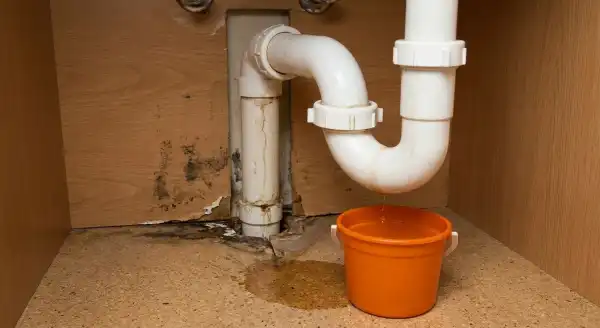
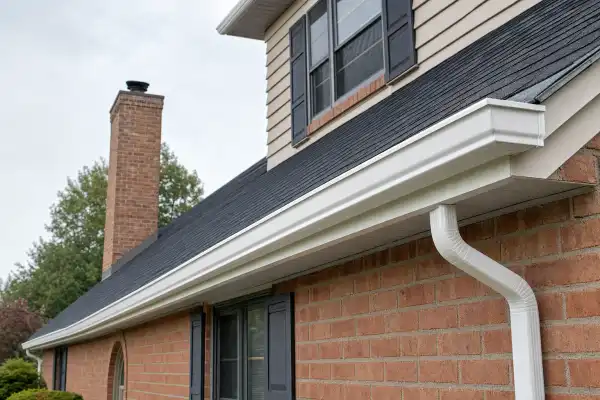
Coastal storm surge flooding is West Haven's most catastrophic water damage source — the beach district's low elevation with direct Sound exposure creates maximum surge vulnerability during coastal storm events. Saltwater from Long Island Sound is classified as Category 3 (contaminated) water containing sewage, petroleum residues, and marine organisms, making every contacted porous material unsalvageable — drywall, insulation, carpet, pad, and any wood materials below the waterline must be removed. The salt residue left behind continues absorbing humidity for months after visible water is gone. High water table basement intrusion affects homes throughout the southern half of West Haven during extended wet weather — the flat coastal terrain means the water table is seasonally close to basement floor level, and prolonged rain raises it through floor joints and wall cracks. This is typically clean water (Category 1) but damages finished and unfinished basement spaces extensively. Ice dam water intrusion affects inland homes in Allingtown and near the University of New Haven where pre-1960 housing has attic insulation well below current code requirements — water forced under shingles by ice dams channels along rafters and can appear as ceiling or wall damage far from the actual entry point. Supply-line failure from aging copper plumbing is an increasing concern across West Haven's post-war housing stock — pinhole corrosion in copper pipes after 40-plus years produces sudden leaks that can run for hours before anyone discovers them. Sewer backup during heavy rain events overwhelms capacity in older neighborhood connections, pushing contaminated water through basement floor drains.
Water Damage Restoration Regulations in West Haven, CT
Water damage restoration in Connecticut does not require a specific license for extraction and drying services. Reconstruction work involving plumbing, electrical, or structural modification requires permits through West Haven's Building Department. Connecticut mold remediation under Public Act 15-84 requires licensed contractors for projects involving more than 10 square feet of visible mold, with independent post-remediation verification by a licensed assessor. FEMA flood zone properties along the coastline must comply with National Flood Insurance Program requirements — post-Sandy substantial damage determinations established enhanced reconstruction standards for many beach district properties. Coastal Area Management review may apply to reconstruction within the Coastal Boundary that involves structural changes. Lead paint disturbance during reconstruction in pre-1978 homes requires EPA RRP Rule compliance — applicable to the vast majority of West Haven's housing stock. Asbestos-containing materials common in the post-war housing (pipe insulation, floor tile, ceiling tile) must be tested before disturbance during restoration work. Insurance documentation should begin immediately with photographs and written timeline of damage and response. Critical for West Haven homeowners: flood damage requires separate flood insurance (NFIP or private policy) — standard homeowner's insurance excludes flood. Sandy taught this lesson painfully to many West Haven homeowners who discovered the gap between their coverage expectations and their actual policy terms during the claims process.
Water Damage Restoration by Neighborhood in West Haven
Savin Rock and the West Shore face West Haven's highest water damage risk from coastal storm surge — low-elevation properties remain vulnerable to Long Island Sound surge events despite the significant post-Sandy improvements including home elevations and flood venting throughout the district. Salt-water flood extraction requires specialized protocols that account for salt's hygroscopic properties — standard freshwater drying procedures leave salt residue that continues causing damage indefinitely. Downtown's aging infrastructure in the Campbell Avenue corridor contributes to pipe failures and sewer backup events — older multi-family buildings with plumbing original to the 1920s-1940s have systems past any reasonable service life. Allingtown has the most typical suburban water damage profile in West Haven — pipe failures in aging 1950s-1960s plumbing, ice dam intrusion on under-insulated capes and ranches, and basement water intrusion from high water tables during wet seasons. The University of New Haven area has student rental housing where water damage reporting may be delayed — leaks that run unnoticed during academic breaks can cause extensive hidden damage. Northern neighborhoods have the lowest water damage frequency with somewhat better drainage and distance from both the coast and the main river corridors.
Why West Haven Needs Professional Water Damage Restoration
West Haven's water damage restoration need is defined by Sandy's legacy and the ongoing coastal exposure that three miles of public beach creates — the most extensive publicly accessible shoreline in Connecticut, which also means the most extensive residential surge vulnerability. Response speed is the single most important variable in limiting water damage costs: extraction within 24 hours typically confines damage to surface restoration, while delays beyond 48 to 72 hours in Connecticut's humid climate virtually guarantee mold establishment that multiplies remediation costs three to five times. For beach district property owners, flood insurance adequacy is the most important financial preparation — coverage should be reviewed annually against current reconstruction costs, not the purchase price or assessed value. For inland homeowners in Allingtown and the northern neighborhoods, proactive plumbing inspection (especially copper pipes approaching 40 years), gutter and downspout maintenance, and sump pump backup systems with battery power address the most common and most preventable water damage sources. West Haven's recovery and ongoing revitalization make property protection increasingly valuable — the investment in maintaining the housing stock that Sandy tested and the community rebuilt is justified by both property values and community resilience.
What's Included in Our West Haven Water Damage Restoration Service
Emergency water extraction with truck-mounted equipment
Structural drying with industrial air movers and dehumidifiers
Moisture mapping and thermal imaging documentation
Contaminated water (Category 2/3) removal and disinfection
Mold prevention treatment and monitoring
Full repair and rebuild of damaged walls, floors, and ceilings
Why West Haven Homeowners Choose Restoration Control for Water Damage Restoration
Licensed CT contractor — active state license verifiable online
IICRC-certified technicians with manufacturer-authorized installation training
Free on-site inspection and written estimate with no obligation in West Haven
Full insurance claims support — documentation, Xactimate estimates, adjuster meetings
In-house crews only — no unlicensed subcontractors on your West Haven project
Workmanship warranty backed by a company with 10+ years in Connecticut
24/7 emergency line for storm, water, and fire damage in West Haven
BBB Accredited with A+ rating and 4.9-star average from 250+ reviews
Our emergency dispatch team answers 24/7 and we aim to have a crew on-site within 1-3 hours of your call anywhere in Florida, Connecticut, or New Jersey. Fast response is critical — mold can begin to grow within 24-48 hours of moisture exposure.
Will my insurance cover water damage restoration?
Sudden and accidental water damage (burst pipe, appliance failure, ice dam) is typically covered by homeowner's insurance. Gradual leaks and flood damage from outside sources may require separate coverage. We document all damage thoroughly and work directly with your adjuster to maximize your claim.
What is the drying process?
After water extraction, we place industrial air movers and dehumidifiers strategically to dry the structure from the inside out. We use moisture meters and thermal imaging cameras to monitor progress daily. Average dry-out time is 3-5 days depending on material types and saturation level.
Request Water Damage Restoration in West Haven, CT
Call (833) 380-7378 or complete the form below. A licensed CT estimator will contact you within 1 business hour to schedule your free on-site inspection.