Professional Roofing Services — Licensed CT Contractor
Roofing in West Haven
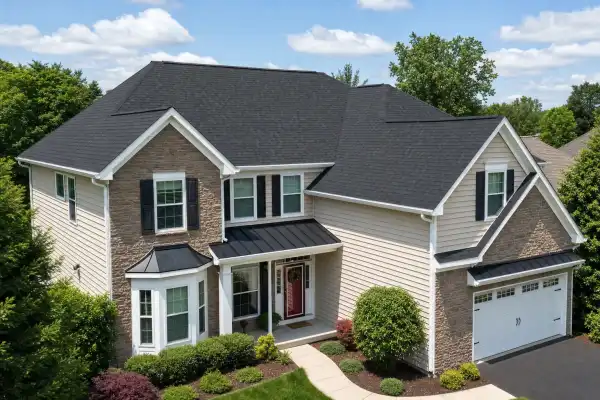
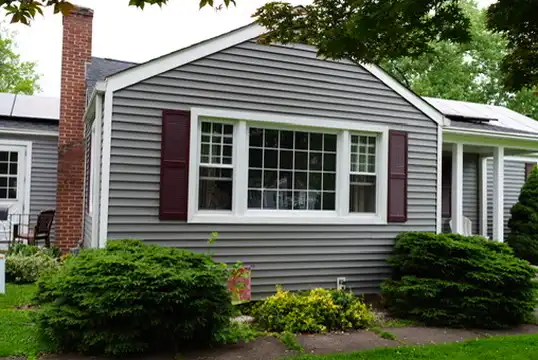
West Haven's roofing challenges are defined by Connecticut's longest public beach — three miles of uninterrupted shoreline where homes face Long Island Sound's full assault of salt spray, coastal wind, and storm surge. Sandy's 2012 devastation rewrote West Haven's understanding of coastal vulnerability: storm surge flooded the entire beach district from Savin Rock through the West Shore, ripping roofing from waterfront homes and demonstrating that standard inland roofing specifications are inadequate for this environment. The housing stock reflects the city's character as a working-class beach community: compact beach cottages along Ocean Avenue and the shore streets dating from the early-to-mid 1900s, post-war capes and ranches in Allingtown and the areas near the University of New Haven, older multi-family housing downtown near Campbell Avenue, and modest colonials throughout the inland neighborhoods. West Haven experiences some 36 inches of snow and 49 inches of rain over the course of a year — the rain total among the highest in the New Haven metro area. Our West Haven roofing specifications divide the city into exposure zones: stainless steel ring-shank nails and high-wind-rated materials (130 mph minimum) with sealed roof decking for every property within a mile of the Sound, and standard premium specifications with ventilation improvement for inland Allingtown and the northern neighborhoods beyond the salt influence. The distinction is critical because salt-air corrosion attacks galvanized fasteners within five to seven years in the beach district, leaving shingles mechanically unsecured while they still appear sound from the ground — a hidden failure that coastal storms expose catastrophically.
“After a burst pipe flooded our basement during a January freeze, Restoration Control arrived within an hour. Their team was professional, thorough, and kept us informed every step of the way. They handled our insurance claim and had our home restored in under two weeks. We could not have asked for a better experience.”
Robert & Linda M.
Hartford, CT
“A nor'easter ripped shingles off our Shippan Point home and water was pouring into the attic. Restoration Control had a crew on our roof the next morning, tarped the damage, and completed a full replacement within the week. Their knowledge of coastal roofing materials made all the difference.”
Jennifer S.
Stamford, CT
“We hired Restoration Control to replace the original siding on our 1920s Colonial in East Rock. They matched the historic character perfectly while upgrading to fiber cement that will actually withstand Connecticut winters. The craftsmanship is outstanding and the crew was respectful of our neighborhood.”
David & Maria T.
New Haven, CT
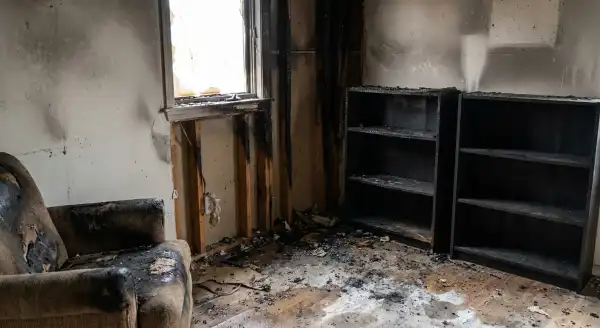
“After a kitchen fire, we were devastated. Restoration Control not only restored our home but helped us navigate the insurance process from start to finish. Their fire damage team removed all smoke odor and rebuilt our kitchen better than before. True professionals who treated us like family.”
Thomas K.
Bridgeport, CT
Frequently Asked Questions
Need Roofing in West Haven?
Call now for a free estimate. Our West Haven team responds within 60–90 minutes, 24 hours a day, 7 days a week.
West Haven's roofing challenges are defined by Connecticut's longest public beach — three miles of uninterrupted shoreline where homes face Long Island Sound's full assault of salt spray, coastal wind, and storm surge. Sandy's 2012 devastation rewrote West Haven's understanding of coastal vulnerability: storm surge flooded the entire beach district from Savin Rock through the West Shore, ripping roofing from waterfront homes and demonstrating that standard inland roofing specifications are inadequate for this environment. The housing stock reflects the city's character as a working-class beach community: compact beach cottages along Ocean Avenue and the shore streets dating from the early-to-mid 1900s, post-war capes and ranches in Allingtown and the areas near the University of New Haven, older multi-family housing downtown near Campbell Avenue, and modest colonials throughout the inland neighborhoods. West Haven experiences some 36 inches of snow and 49 inches of rain over the course of a year — the rain total among the highest in the New Haven metro area. Our West Haven roofing specifications divide the city into exposure zones: stainless steel ring-shank nails and high-wind-rated materials (130 mph minimum) with sealed roof decking for every property within a mile of the Sound, and standard premium specifications with ventilation improvement for inland Allingtown and the northern neighborhoods beyond the salt influence. The distinction is critical because salt-air corrosion attacks galvanized fasteners within five to seven years in the beach district, leaving shingles mechanically unsecured while they still appear sound from the ground — a hidden failure that coastal storms expose catastrophically.
Common Roofing Problems in West Haven
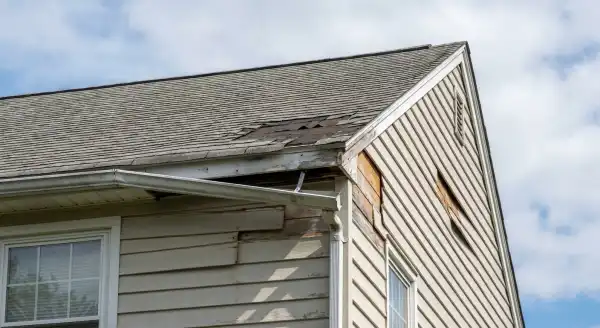
Salt-air fastener corrosion is West Haven's defining roofing problem along the three-mile beach district and extending into adjacent blocks. Galvanized nails corrode and lose holding power years before shingle surfaces show any deterioration — we have inspected Ocean Avenue roofs where shingles lifted off with zero resistance because every nail had corroded to a stub. Stainless steel ring-shank nails are the only appropriate fastener specification within West Haven's salt zone. Wind uplift from coastal storms strips ridge caps and rake edges throughout the beach district — Sandy's damage patterns clearly showed that homes with six-nail shingle patterns sustained dramatically less wind damage than standard four-nail installations from the same storm event. Ice dam formation is an inland West Haven concern, concentrated in Allingtown and the University of New Haven area where pre-1960 housing has attic insulation at R-11 to R-19, far below the R-49 code standard that prevents the heat loss driving ice dam formation. The consistent cape and ranch housing in these neighborhoods means ice dams affect entire streets of similar homes with similar insulation deficiencies. Flat-roof membrane failure on downtown's older multi-family buildings along Campbell Avenue produces ponding that accelerates membrane breakdown under West Haven's heavy 49-inch annual rainfall. Tree impact from the inland residential canopy — particularly oaks and maples in Allingtown — drops limbs during nor'easters and summer thunderstorms. Beach cottages originally built as seasonal structures and later converted to year-round use present specific roofing challenges: roof framing designed for summer-weight loads may be structurally inadequate for the snow, ice, and wind loads that year-round Connecticut occupancy demands.
Roofing Regulations in West Haven, CT
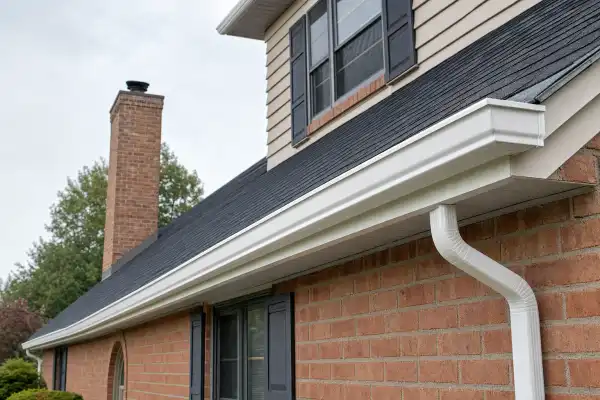
Roofing permits in West Haven are filed through the Building Department at City Hall, 355 Main Street. A permit is required for roof replacement and significant repairs. Applications require CT HIC registration, proof of liability and workers' compensation insurance, and scope description. Connecticut building code mandates ice-and-water shield membrane from eave edge to at least 24 inches past the interior wall line — critical in West Haven where both coastal ice formation and inland ice dams are annual concerns. Two-layer maximum for re-roofing; a third layer requires full tear-off to structural decking. West Haven's post-Sandy building regulations include enhanced wind resistance requirements for properties within the coastal flood zone — these requirements established higher baseline construction standards that remain in effect for all new roofing work in the zone. Properties in FEMA-designated flood zones along the coastline must comply with National Flood Insurance Program requirements — substantial damage determinations may trigger elevation requirements or reconstruction to current flood building standards. Coastal Area Management regulations under the Connecticut Coastal Management Act apply to shoreline properties where roofing work involves structural changes within the Coastal Boundary. The city's building officials enforce these requirements through plan review and inspection. Dumpster permits are required for roll-off containers placed on city streets during tear-off projects. The Savin Rock area and portions of the downtown Campbell Avenue corridor may have local historic considerations that affect roofing material choices on architecturally significant structures.
Roofing by Neighborhood in West Haven
Savin Rock and the West Shore beach district have West Haven's most demanding roofing requirements — direct Long Island Sound exposure with salt spray, coastal wind, and the storm surge vulnerability that Sandy made unmistakable in 2012. Stainless steel fasteners, sealed roof decking, and high-wind-rated shingles are essential baseline specifications. Many beach cottages were originally seasonal construction with lighter roof framing than year-round homes require — structural assessment before reroofing is appropriate for these properties to verify the framing can support Connecticut's snow and ice loads. Ocean Avenue's waterfront homes face the most direct salt and wind exposure in the city. The City Center and downtown Campbell Avenue area has older multi-family housing with flat and low-slope roofs requiring commercial-grade membrane systems (TPO or EPDM), combined with mixed-era single-family homes where roofing scope varies by building age and type. Allingtown, in the northern portion of West Haven, has the most consistent and predictable suburban roofing scope — 1950s-1960s capes and ranches where architectural shingle replacement with improved attic ventilation and insulation is the standard upgrade from aging three-tab or early architectural systems. The University of New Haven campus area has a mix of institutional buildings, student rental housing, and residential properties where roofing maintenance varies significantly by ownership investment level. The Forest neighborhood bordering New Haven's Westville section has more established housing with moderate roofing complexity and good access for equipment.
Why West Haven Needs Professional Roofing
West Haven's roofing investment is driven by the beach district's coastal exposure and Sandy's permanent lesson about the consequences of inadequate roofing specifications. The three-mile public beach that defines the city's identity also creates three miles of salt-air roofing degradation that demands materials and installation methods designed specifically for the marine environment — using inland specifications on a beach district home is not saving money, it's accelerating the next replacement. For beach district property owners, the specification decisions made at installation time — stainless steel versus galvanized fasteners, sealed versus standard decking, six-nail versus four-nail patterns — determine whether the roof survives the next major coastal event or fails catastrophically. The cost difference between coastal and inland specifications is 15 to 20 percent at installation but can double the effective service life. Inland West Haven faces standard Connecticut roofing challenges amplified by the city's heavy rainfall totals, and the energy case for attic insulation improvement during reroofing is particularly compelling for Allingtown's under-insulated post-war homes — Connecticut's utility rates, among the nation's highest, mean the heating cost reduction from R-49 insulation pays back the investment within a few years. West Haven's real estate market is recovering and growing, with the city's beach access, relative affordability compared to neighboring towns, and ongoing downtown revitalization making property values increasingly responsive to building condition. Annual inspection is essential — post-winter assessment for ice dam damage inland and post-storm assessment for coastal properties after every significant weather event.
What's Included in Our West Haven Roofing Service
Full roof inspection with photo documentation
Architectural shingle, metal, tile, and flat roofing systems
Underlayment, ice and water shield, and ventilation upgrades
Drip edge, flashing, ridge cap, and all trim components
Manufacturer warranty on materials, contractor warranty on labor
Complete debris cleanup and haul-away after installation
Why West Haven Homeowners Choose Restoration Control for Roofing
Licensed CT contractor — active state license verifiable online
IICRC-certified technicians with manufacturer-authorized installation training
Free on-site inspection and written estimate with no obligation in West Haven
Full insurance claims support — documentation, Xactimate estimates, adjuster meetings
In-house crews only — no unlicensed subcontractors on your West Haven project
Workmanship warranty backed by a company with 10+ years in Connecticut
24/7 emergency line for storm, water, and fire damage in West Haven
BBB Accredited with A+ rating and 4.9-star average from 250+ reviews
Most residential roof replacements are completed in 1-2 days. Larger or more complex roofs with multiple pitches, dormers, or steep slopes may take 2-3 days. We work weather-dependent and keep your home protected at all times.
Will my homeowner's insurance cover a new roof?
If your roof was damaged by wind, hail, or a storm event, your homeowner's insurance typically covers replacement minus your deductible. Restoration Control works directly with insurance adjusters and can document damage, provide photo evidence, and write estimates in the format your insurer requires.
What roofing materials do you install?
We install architectural asphalt shingles (GAF, CertainTeed, Owens Corning), standing-seam metal, clay and concrete tile, modified bitumen flat roofing, and TPO/EPDM commercial membranes. We'll recommend the best system for your home's structure, climate, and budget.
Request Roofing in West Haven, CT
Call (833) 380-7378 or complete the form below. A licensed CT estimator will contact you within 1 business hour to schedule your free on-site inspection.